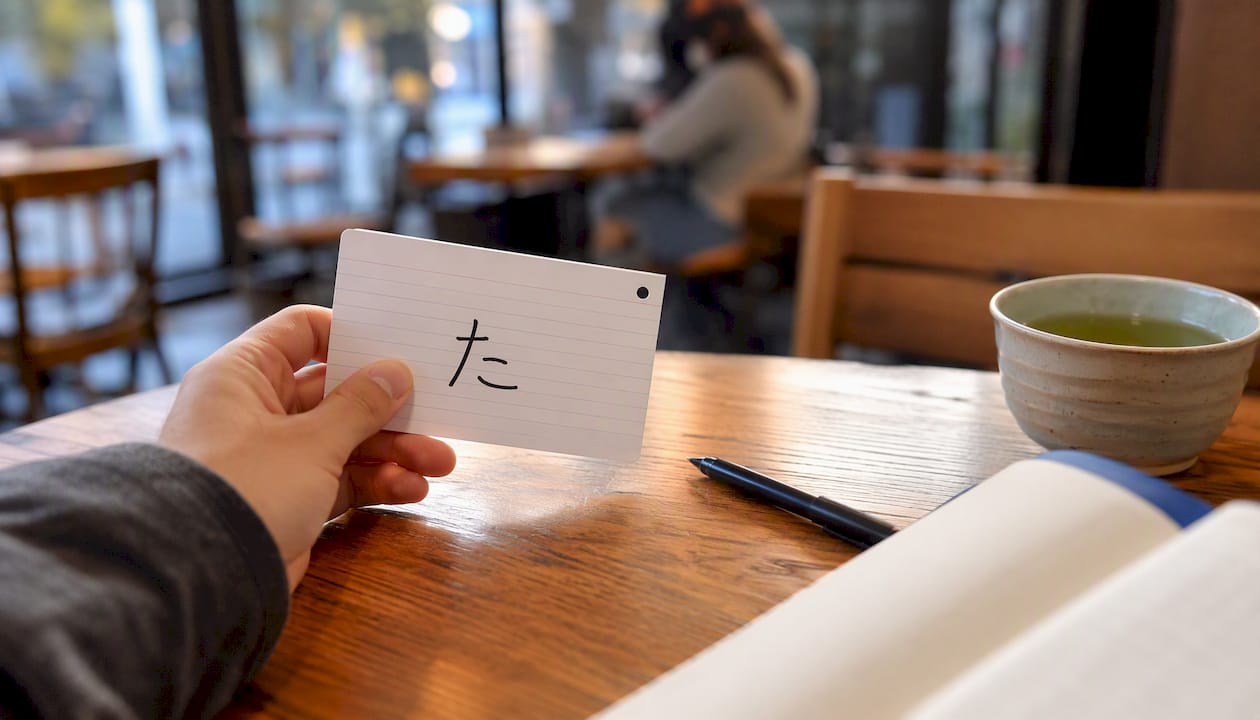
Languages are complex. Languages like Japanese are perhaps a little more so. There are many small intricacies and nuances which will not be apparent easily to non-natives. That is where we have frequently asserted that one of the best ways to pick up Japanese well as a foreigner is to learn the language from a native Japanese teacher and the following points will elaborate why.
Comprehending Nuanced Context
To start, we will need to mention the all-important aspect of context. Even with translation, the meaning that is to be conveyed may sometimes get lost and the nuanced difference will go right over your head. Comprehending the meaning behind it is one thing, understanding the gravity and the weight by including the cultural context, amongst many other things, is another. There is a reason why there is a significant difference between Japanese literature in its native language and translated.
Admittedly, it is context and its nuances are not easy to grasp. However, having a native Japanese teacher who can explain and expound on these nuances will bring you a step closer to understanding the material.
Understanding The Japanese Culture
Every language around the world has cultural nuances to it. Whilst this is a glaring statement, abstract ideas are not always pronounced while you have only a theoretical exposure to things.
For instance, the Japanese go about their everyday lives in accordance to Japanese etiquette and decorum. This also translates to a less outspoken attitude, which may be regarded as either standoffish or shy dispositions, even if it might not be the case. This abstract idea is hard to fathom, especially if you come from a culture that promotes overt communication, spoken and body language wise. With a native Japanese teacher, you will understand how Confucianism is at the crux of their entire culture and society, which even led to the formation of the different respect levels in their language. Japanese teachers will also explain the importance of knowing which level of formality to use in various situations. Without appropriate insight, you will not have a clue.
Nuanced Language: Dialects
Learning languages to pick up on their dialects may be a little bizarre but it’s not entirely impractical. Just as much as how you’d find differences between yourself and a Japanese native, the idea that there are nuanced cultural differences even in Japan itself, is not far fetched. Since each region has its own set of cultural beliefs and rituals, it is safe to say that sometimes, there are miscommunication and gaps between locals themselves.
As mentioned prior, language grants accessibility to culture and tradition. In this case, dialects do just that. Some of the dialects you may stumble across include Kyoto Ben, Hiroshima Ben and Osaka Ben.
Whilst it is not necessary, since the Japanese classes in Singapore will more likely use the standard Japanese dialect (Kanto Ben), it will be interesting to hear the differences. And who know dialects best than native Japanese teachers?
Conclusion
Learning just about any language is definitely a whole lot easier when you have natives Japanese as your teachers. Yes, the impeccable quality of Singapore Japanese classes means that you hardly have any cause for concern, regardless of whether their teachers are native or not. At the same time, to make things easier, better and faster, the presence of native Japanese would prove to be the binding factor that you had been seeking (or simply not realised until now).