Traditional Japanese art forms are fascinating, not only because they’re beautiful in their own right, but also due to its relevance in today’s society. Many traditional art forms in several countries have died out and are not practised today, but not in Japan. Its uncomplicated beauty is easy to appreciate and here’s a guide on some of the more notable traditional Japanese art forms.
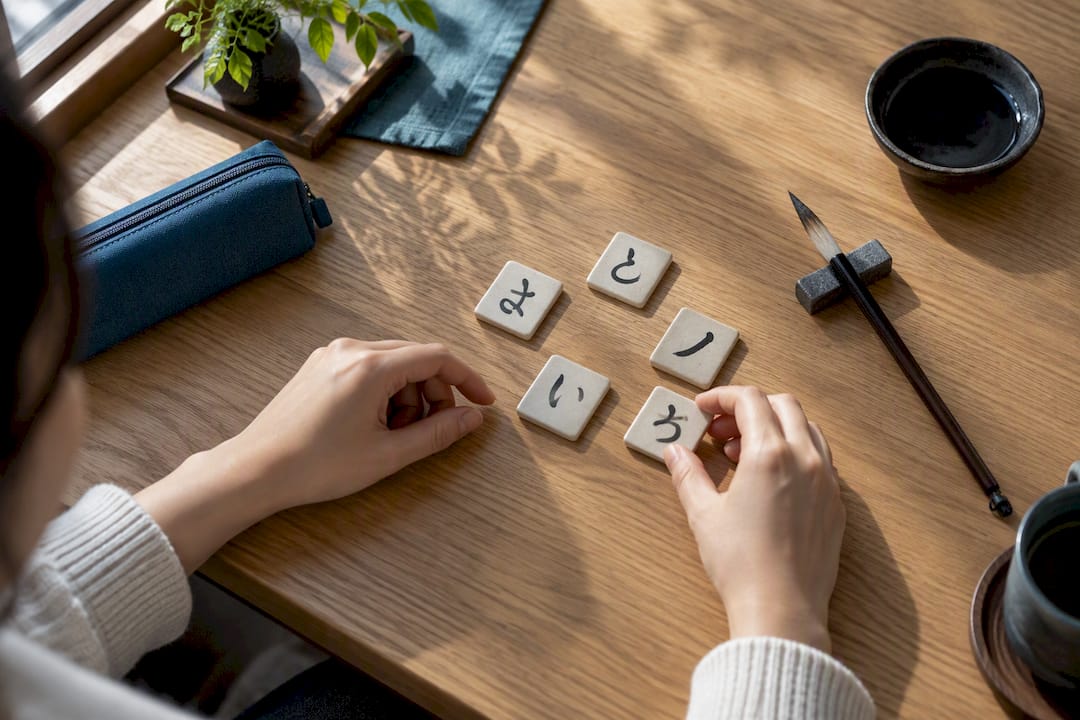
Shodo (Calligraphy)
As a form of artistic writing, Japanese calligraphy has a close relationship with Chinese calligraphy, which is apt, seeing as how the Japanese language also started with Chinese characters before they underwent transformations.
During Japan’s golden age, also known as the Heian period, was when art, artistic expression and artistic practices truly blossomed. Whilst Chinese influences were still dominant in calligraphy practices, the Heian Period witnessed an art movement that promotes cultural independence from China. Especially with the emergence of the kana syllabary, Hiragana and Katakana, there was a need to express these characters differently as they were more rounded than typical Chinese characters. Thus, the semi-cursive (gyosho) was formed and it became the basis of many schools of calligraphy. Its fluid nature allows for a seamless mesh of hiragana and kanji.
Ukiyo-e (Woodblock Printing)
Ukiyo-e translates to ‘pictures of the floating world’ and they are woodblock prints that depict the pleasure district. Thus, most of the subject matters are beautiful women or courtesans and the pleasure district as a whole.
Prior to Ukiyo-e, paintings were decorations that were deemed for nobility and the elites as they were exorbitantly priced. The introduction of woodblock printing allowed for mass production and the prices dropped significantly. Art became accessible to the masses, and by the 17th century, most homes have some form of ukiyo-e.
An interesting part about ukiyo-e that many do not know about is the relationship it has with notable Western painters like Van Gogh. Due to trade, there was also the exchange of art mediums and expression. While we see some Japanese artists took the time to travel to Europe to learn Western painting techniques, we see the same the other way around. The Japanese influence is called Japonaiserie. There are several paintings in where Van Gogh took inspiration from Ukiyo-e, such as The Courtesan (After Eisen). Look it up!
Tea Ceremony
When it comes to Japanese art forms, you can’t leave tea ceremony out of the picture. What started out as medicinal beverage amongst the priest and the elites, it became accessible to the masses when the concept of tea houses emerged. Affluent members of society will host tea-drinking parties to display their exquisite tea bowls, knowledge about tea and of course, their brewing skills.
This display of opulence started to change with the arrival of a tea master, Sen no Rikyu. Following Zen Buddhism ideology, Sen no Rikyu advocated for simplicity and austere. There was a greater emphasis on spirituality and this has been the basis of tea ceremonies. It is not mere drinking tea but basking in the present and diving into one’s spirituality. It is truly an unforgettable experience.
Traditional Dances
Japan has several types of traditional dances, two of which are more well-known to non-natives: Kabuki and Noh. Kabuki is a dance-drama theatre act which features elaborate makeup, costume and exaggerated emotions. Noh isn’t as overt and dramatic, preferring to opt for sparse stage effects and simpler costumes. Whilst Noh masks are an intrinsic part of Noh performances, whether the leading actors use them would depend on the story of the musical.
Conclusion
Japan is very well known for its beautiful art traditions that have largely remained untouched to this day. Even with technology and societal changes, these art forms still remain. If you wish to revel in the artistic part of Japan, it’s best to pick up basic Japanese by enrolling in Japanese classes in Singapore. It’d be nice to pick up dialogues and understand the narrative when watching a Kabuki theatre performance, for example.