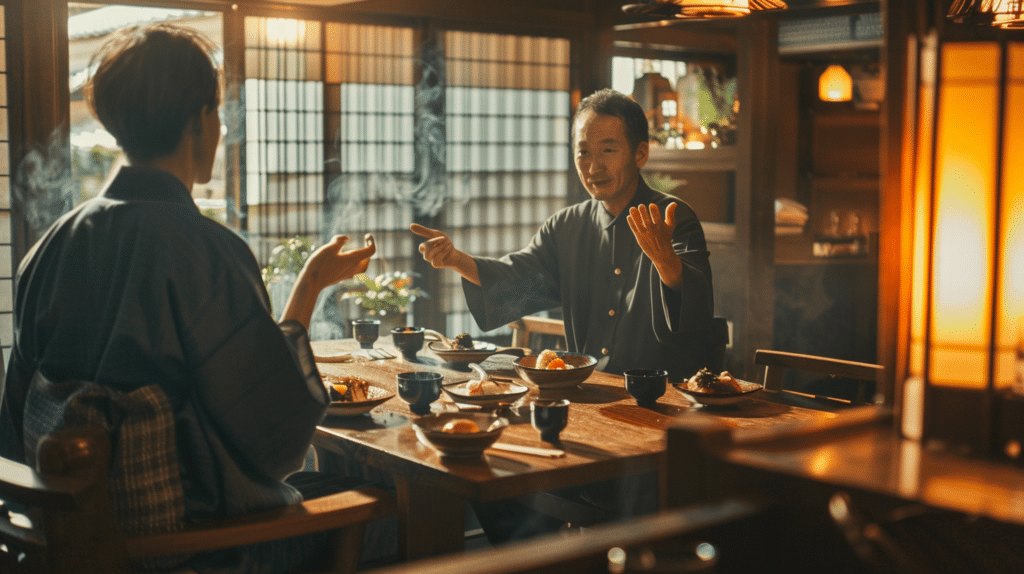
Ordering food in Japan becomes far easier when you understand structure, tone, and context. A structured conversational Japanese class helps learners move beyond memorised phrases and handle real restaurant situations naturally. This blog will walk you through essential restaurant survival phrases, how they work grammatically, and how to use them correctly in authentic dining scenarios.
Why Restaurant Japanese Is Different from Textbook Japanese
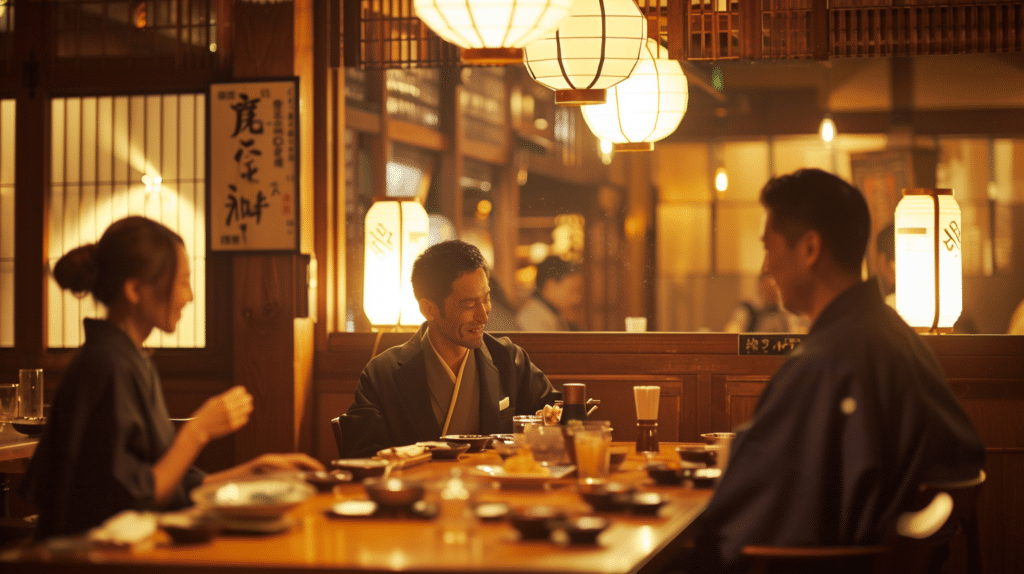
Restaurant interactions in Japan follow clear social rules. Language reflects hierarchy, politeness, and customer service culture.
Japanese dining phrases differ from casual conversation because:
- Staff use honorific language
- Customers use polite forms
- Indirect phrasing is common
- Tone and softening expressions matter
According to Japan National Tourism Organization visitor guidance, respectful language use improves service interactions and avoids misunderstanding in local establishments.
Understanding Japanese polite expressions such as ください and お願いします changes how your request is perceived.
Step One: Basic Japanese Phrases for Restaurants
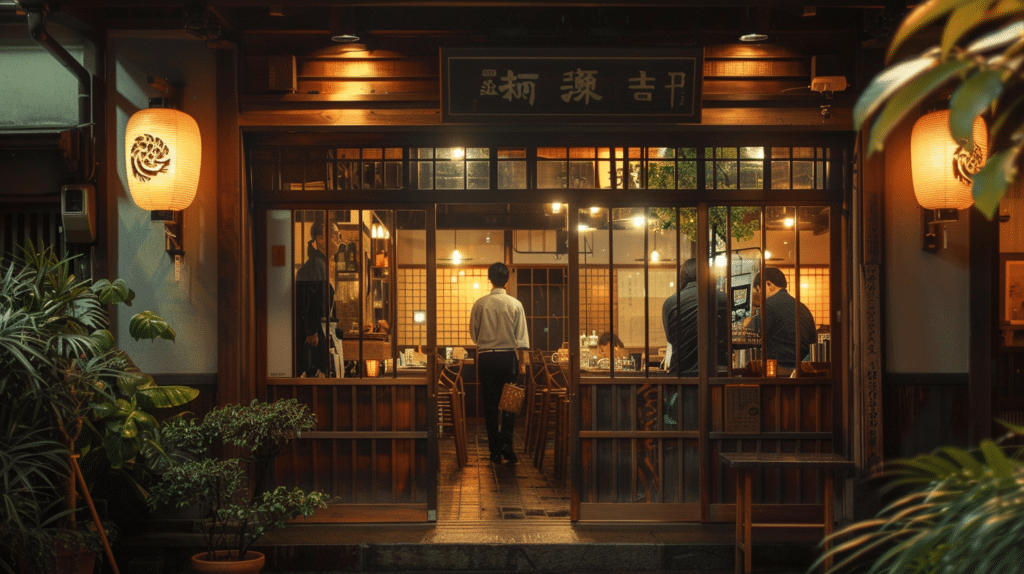
Entering the Restaurant
When entering, staff usually greet with:
いらっしゃいませ
This phrase welcomes customers. You do not need to reply verbally. A nod is sufficient.
If asked how many people:
何名様ですか
You can answer:
一人です
二人です
Number plus です signals group size clearly.
This falls under Japanese language basics because it follows the noun plus copula structure.
Asking for a Table
To request seating:
席をお願いします
The word 席 means seat. お願いします functions as a polite request marker. This phrase structure shows object plus request expression.
Understanding object particles is critical here. を marks the direct object.
A conversational Japanese class teaches this particle usage through repetition and speaking drills, not just memorisation.
How to Order Food in Japanese
Ordering follows predictable structure.
Basic Ordering Formula
Item name plus を plus ください
Example:
寿司をください
水をください
ください expresses a polite command form derived from the verb くださる.
In a Japanese food ordering vocabulary context, this is one of the most useful patterns.
More Polite Alternative
For higher politeness level:
寿司をお願いします
お願いします softens the request and fits well in formal restaurants.
Japanese honorific language is layered. Casual eateries may accept simpler forms. Fine dining often expects polite phrasing.
Japanese Menu Phrases Explained
Menus in Japan may contain katakana words for foreign dishes.
Understanding katakana improves recognition of loanwords such as:
ピザ
パスタ
ハンバーガー
If you need help reading these scripts, reviewing a structured katakana learning guide strengthens menu reading accuracy.
Katakana represents foreign-origin vocabulary. Reading fluency prevents ordering mistakes.
Asking About Ingredients
Food allergies require clear communication.
To ask if something contains an ingredient:
これは何が入っていますか
This phrase uses:
これ refers to this item
何 means what
入っていますか asks what is included
Grammar breakdown:
Subject plus が plus verb continuous form plus か for question.
Japanese grammar knowledge helps you adapt this structure for different items.
Japanese Phrases for Ordering Sushi
At sushi counters, interaction is more direct.
You may hear:
何にしますか
To respond:
サーモンをお願いします
まぐろを二つください
Using counters is important. 二つ works for general objects. Specific counters may apply in formal contexts.
Japanese dining vocabulary includes counters that classify items. A conversational Japanese class drills these through scenario practice so learners respond without hesitation.
Asking for Recommendations
To ask what the restaurant recommends:
おすすめは何ですか
おすすめ means recommendation. は marks the topic.
Staff may respond using polite explanatory language. Listening comprehension matters here.
Practising Japanese conversation at a restaurant environment improves response time and understanding of fast speech.
Handling Common Restaurant Situations
Requesting the Bill
In Japan, bills are often requested at the table.
お会計をお願いします
お会計 means bill. The prefix お adds politeness.
Understanding honorific prefixes such as お and ご reflects awareness of Japanese honorific language structure.
Asking for Water
水をください
お水をお願いします
Both are acceptable. お水 is a polite version of water.
Saying the Food Is Delicious
美味しいです
Adding とても makes it stronger:
とても美味しいです
Compliments create positive interaction. Japanese polite expressions maintain warmth while respecting boundaries.
Cultural Etiquette That Affects Language
Language choice reflects cultural context.
Before eating:
いただきます
After eating:
ごちそうさまでした
These expressions reflect gratitude toward the cook and ingredients.
The Ministry of Foreign Affairs of Japan explains that such phrases are embedded in Japanese social etiquette and represent appreciation culture.
Pronunciation clarity matters. Tone errors may not change lexical meaning in Japanese as in tonal languages, but pitch accent influences naturalness.
From Phrase Memorisation to Conversational Ability
Memorising a Japanese dining phrases cheat sheet helps temporarily. True confidence comes from understanding structure.
A conversational Japanese class focuses on:
- Particle usage
- Polite versus casual forms
- Listening to native speed responses
- Role play practice
Role play builds muscle memory. When a waiter asks a follow up question, you can respond rather than freeze.
Learners in Singapore preparing for travel benefit from structured speaking sessions that simulate real restaurant interactions.
Building Restaurant Fluency Through Structured Practice
Step 1: Learn Core Patterns
Understand sentence templates rather than isolated phrases.
Example pattern:
Noun plus を plus ください
This allows flexible substitution.
Step 2: Practise Listening to Native Speed
Restaurant staff speak quickly. Exposure improves comprehension.
Research from recent applied linguistics studies highlights that contextual listening practice increases real-world conversational success.
Step 3: Simulate Dialogue
Structured classes often recreate:
- Entering a restaurant
- Ordering multiple items
- Asking about ingredients
- Paying and thanking
Repeated simulation strengthens conversational Japanese for travel Singapore learners seek.
Comparing Self-Study Versus Structured Learning
| Method | Pronunciation Feedback | Cultural Context | Real Dialogue Practice |
| Phrase Book | None | Limited | None |
| Mobile App | Automated | Minimal | Limited |
| Conversational Japanese Class | Immediate | Integrated | High |
Pronunciation feedback speed affects naturalness. Immediate correction prevents awkward phrasing habits.
Common Mistakes Tourists Make
- Using overly casual forms
- Skipping polite particles
- Mispronouncing counters
- Not recognising katakana loanwords
Survival Japanese for travel requires accuracy and context awareness.
Conclusion
Restaurant survival phrases become powerful only when supported by grammar understanding and pronunciation practice. Structured learning builds the ability to adapt phrases, not just repeat them.
If you plan to travel, work, or build business relationships in Japan, enroll in a conversational Japanese class that emphasises live speaking practice, cultural nuance, and real-time feedback. Practical confidence comes from guided repetition and structured conversation training.
FAQs About Conversational Japanese Class
What are the most useful Japanese restaurant phrases for tourists?
Basic phrases include 席をお願いします, 寿司をください, おすすめは何ですか, and お会計をお願いします. These cover seating, ordering, recommendations, and payment.
Do I need Japanese honorific language in restaurants?
Polite Japanese expressions such as お願いします and ください are sufficient for most situations. Honorific forms are mainly used by staff toward customers.
Is katakana important for reading menus?
Yes. Many menu items use katakana for foreign loanwords. Learning katakana improves recognition of dishes such as ピザ and パスタ.
Can I learn restaurant Japanese without taking a class?
You can memorise phrases independently. A conversational Japanese class helps with pronunciation correction, cultural context, and spontaneous dialogue.
How long does it take to speak comfortably in restaurants?
With weekly speaking practice and structured drills, many learners handle basic ordering within a few months. Consistency determines fluency speed.