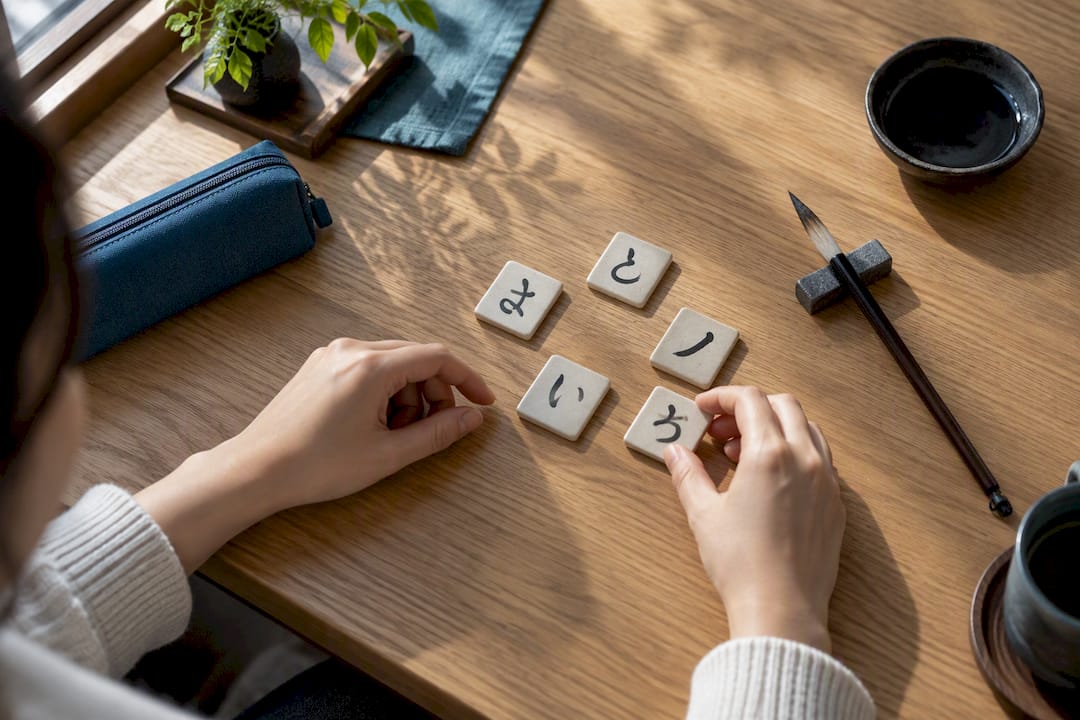

お元気ですか (ogenki desu ka) is a polite way to ask how someone has been. With a close friend, 元気? (genki?) is a casual option. Both fit when you are catching up after time apart.
For a colleague you see every morning, おはようございます (ohayō gozaimasu) is a natural greeting. Save the question about how they are doing for a catch-up or when you want to check on them.
The 16 examples below cover different situations, from catching up to asking about health or recent activities. Listen to the Japan Foundation’s Irodori Elementary 1, Lesson 1 for polite and casual catch-ups.
How Are You in Japanese in Formal Translation: Ogenki Desu Ka (お元気ですか)

The phrase “お元気ですか (Ogenki desu ka)” directly translates to “Are you well?” in English. Let’s break it down:
- お (O): A prefix denoting politeness.
- 元気 (Genki): Health or energy.
- ですか (Desu ka): A polite ending indicating a question suffix.
Together, the words ask about the other person’s well-being. The polite form is useful when you are getting back in touch with someone.
Pronunciation Guide
- Pronounced: “Oh-gen-kee deh-soo kah”
- Listen to the Irodori dialogue for the rhythm of the question.
When and Where to Use
Here are situations where a polite question about someone’s well-being fits:
- Catching up with a former colleague or acquaintance after some time apart.
- Checking how someone you know is doing when the situation calls for polite language.
- Opening a personal note to someone you have been out of touch with.
1. お元気ですか (Ogenki desu ka)
- Meaning: Are you well?
- When to Use: A polite catch-up after time apart or a direct question about someone’s well-being.
- When Not to Use: Avoid in casual conversations with close friends or family.
2. お変わりありませんか (Okawari arimasen ka)
- Meaning: Have there been any changes?
- When to Use: Used in professional or polite settings to ask about someone’s recent circumstances. This phrase literally translates to “no changes?” and has a questioning tone.
3. お体の調子はいかがですか (Okarada no choushi wa ikaga desu ka)
- Meaning: How is your physical condition?
- When to Use: Often used to inquire about someone’s health condition after an illness or in a healthcare context.
4. ご機嫌いかがですか (Gokigen ikaga desu ka)
- Meaning: How are you feeling?
- When to Use: A formal phrase suited for social gatherings or written communication. It means mood or emotional well-being.
5. 最近いかがお過ごしですか (Saikin ikaga osugoshi desu ka)
- Meaning: How have you been recently?
- When to Use: Appropriate for reconnecting with someone you haven’t spoken to in a while. The phrase literally translates to “how have you spent recently?”
6. 調子はいかがですか (Choushi wa ikaga desu ka)
- Meaning: How are things going?
- When to Use: Common in workplace or business interactions. It’s another polite version often used in formal settings.
7. ご様子はいかがですか (Goyousu wa ikaga desu ka)
- Meaning: How are you doing?
- When to Use: Polite inquiries in formal settings, such as with clients or seniors.
8. ご無事でいらっしゃいますか (Gobuji de irasshaimasu ka)
- Meaning: Are you safe and well?
- When to Use: Often used in letters or when checking on someone after a disaster or difficult time. This polite language reflects concern for someone’s well-being.
How Are You in Japanese in informal Translation: Genki? (元気?)

The informal phrase “Genki? (元気?)” is equivalent to saying “You good?” in English. It conveys a casual check on someone’s well-being without the need for formalities.
This casual phrase is commonly used among close friends or family members.
Pronunciation Guide
- Pronounced: “Gen-kee”
- Emphasis: Relaxed and friendly.
When and Where to Use
This phrase is best suited for:
- Casual conversations with friends or family.
- Social media or text messages. Avoid using it with superiors or in formal situations, as it might come across as disrespectful.
1. 元気? (Genki?)
- Meaning: You good?
- When to Use: A casual catch-up or check-in with a friend.
2. 最近どう? (Saikin dou?)
- Meaning: How’s it going lately?
- When to Use: Catching up with friends. It’s a casual version of the more formal “最近いかがお過ごしですか.”
3. 調子どう? (Choushi dou?)
- Meaning: How’s everything?
- When to Use: Light-hearted chats with close acquaintances. It’s the informal and casual form of “調子はいかがですか.”
4. どうしたの? (Dou shita no?)
- Meaning: What happened? / What’s wrong?
- When to Use: When noticing a change in someone’s mood or behaviour.
5. 元気にしてた? (Genki ni shiteta?)
- Meaning: Have you been doing well?
- When to Use: After not seeing someone for a while. It’s similar in meaning to “元気だった?” (Genki datta?)
6. 最近元気? (Saikin genki?)
- Meaning: Have you been well lately?
- When to Use: Checking in with a friend you haven’t spoken to recently.
7. 何してる? (Nani shiteru?)
- Meaning: What are you up to?
- When to Use: Casual, in-the-moment chats. This phrase literally translates to “What are you doing now?”
8. 最近どうしてた? (Saikin dou shiteta?)
- Meaning: What have you been up to lately?
- When to Use: Reconnecting with a friend. This informal phrase is ideal for a friend group.
How to Respond to How Are You in Japanese?
A simple polite reply is はい、元気です。 (hai, genki desu, “Yes, I’m well”). To catch up with a friend, try 久しぶり。元気? (hisashiburi. genki?, “Long time no see. How are you?”). Your friend might answer 元気だよ。 (genki da yo, “I’m good”). Here are more ways to describe how you feel:
- Positive Responses:
- 充実しています (Juujitsu shiteimasu): I’m doing well.
- とても充実しています (Totemo juujitsu shiteimasu): I’m doing very well. These are polite phrases.
- Neutral Responses:
- まぁまぁです (Maamaa desu): I’m so-so.
- Negative Responses:
- 疲れています (Tsukareteimasu): I’m tired.
- 具合が悪いです (Guai ga warui desu): I’m not feeling well. These responses often indicate emotional or physical condition concerns.
Alternative Phrases for Asking “How Are You”
Other phrases to check on someone include:
- 何か問題ありますか (Nani ka mondai arimasu ka?): Is everything okay?
- 今何してるの? (Ima nani shiteruno?): What are you doing now?
- 気分はどう? (Kibun wa dou?): How are you feeling?
- 調子はどう? (Choushi wa dou?): How’s your condition? It’s another casual form.
Cultural Significance of Asking “How Are You” in Japanese

Politeness and Formality
The Japanese language prioritises respect and hierarchy, making it essential to choose the appropriate phrase based on the relationship and setting. The use of polite language like “お元気ですか” reflects respect.
Non-Verbal Communication
Greeting someone often involves bowing or smiling, reinforcing the importance of non-verbal cues in Japanese culture. Japanese people also pay close attention to implied context when asking questions.
Here’s a deeper meaning for both key gestures:
- Bowing: Bowing is a fundamental aspect of Japanese greetings. The depth and duration of the bow vary depending on the level of respect required. A slight bow is common in casual interactions, while a deeper bow signifies respect in formal settings or when addressing someone of higher status.
- Smiling: A gentle smile often accompanies greetings, reflecting warmth and friendliness. Smiling helps soften the tone and makes the interaction more approachable, especially in informal situations.
Tips for Learning and Practicing Japanese Greetings
Learning Tools
- Flashcards for vocabulary.
- Language exchange apps.
- Private tutors for personalised lessons. These tools help language learners build confidence in formal and casual phrases.
- Online language classes where you can join in groups or learn individually at your own pace.
Practising Greetings
- Engage with native speakers.
- Watch Japanese shows or listen to podcasts.
- Practise two catch-ups. Imagine meeting a former teacher and then a close friend after some time apart. Use お元気ですか with the teacher and 元気? with the friend.
Encourage exploring private Japanese tutors to deepen your understanding of greetings and cultural context.
Conclusion
Mastering “How are you?” in Japanese opens doors to deeper cultural connections. Practice these phrases in the right contexts to build rapport and confidence.
You can start learning Japanese and know what each phrase means in social or professional settings at Japanese Explorer.