

It all depends on your attitude and willingness to learn. A second, third or fourth language is always a plus to your life. Though children are said to have an easier time mastering several languages, adults too can learn these languages and become polyglots without too much difficulty.
When it comes to speaking Japanese fluently, many will shy away from the perceived challenge. It is considered challenging due to its phonetic and syntax structure. However, you should not be discouraged before you even start your journey to learning Japanese. With fluency in the language, you can mingle freely with Japanese, understand their Japanese culture and even get better business opportunities.
If you are considering enrolling for Japanese lessons in Singapore, you should know the fundamental steps to learning Japanese.
Learn How To Read Hiragana

One of the first steps to take when you want an effective way to learn Japanese is learning how to read Hiragana. Hiragana is the main phonetic writing system in Japan, and it consists of 46 characters. Of these, 26 are basic vowel sounds, and the others are consonant sounds.
When you learn Hiragana, you will be able to sound out words correctly and understand how they are written. In contrast, Kanji (the characters used in written Japanese) can have multiple pronunciations and readings, making it more difficult to learn how to read and write Japanese without prior knowledge of Hiragana.
Learning Hiragana is a very important step in learning Japanese because it teaches you the basics of the language. With Hiragana under your belt, you will be able to undertake other steps in this language learning journey.
Learn How To Read Katakana
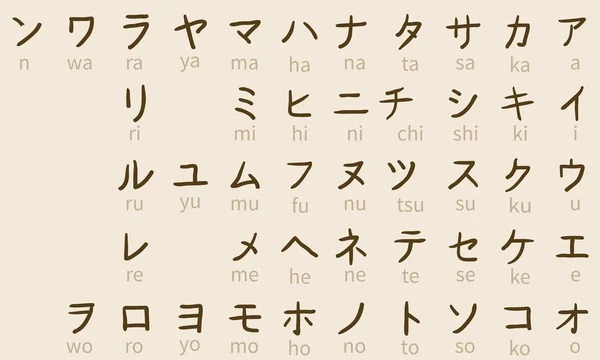
Another important step in learning Japanese is learning how to read and write katakana, the phonetic system that falls just under Hiragana. Katakana contains 48 characters which are used for loan words and foreign names borrowed into the vocabulary of Japan.
Many language learners also find it easier to learn the Japanese language by learning katakana first before Kanji. This is because many foreign words are written using katakana, which makes remembering the correct pronunciation of these words much simpler than looking them up in a dictionary or memorizing them.
When you look through a typical article written in Japanese, you will see it filled with Kanji, but there may also be some katakana characters. You can read these too if you learn this writing system first.
Katakana is an essential part when you study Japanese because, once again, it teaches you how to correctly out words both independently and with Hiragana.
Become Familiar With Kanji
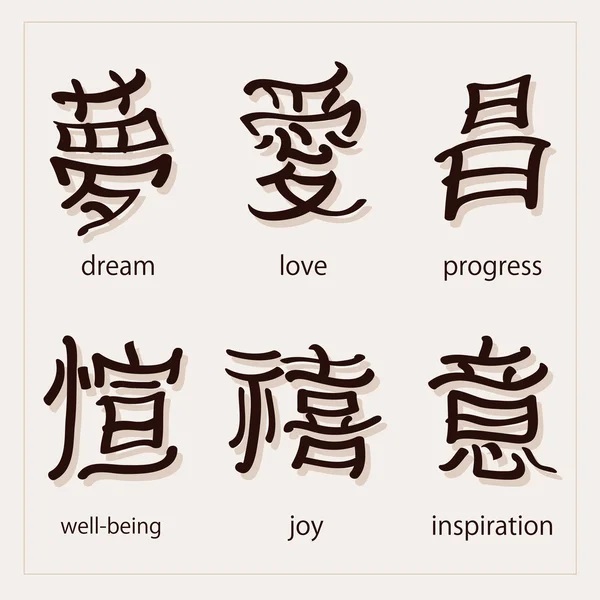
The road may seem grueling and boring, with over two thousand characters waiting for you. After you learn Hiragana and Katakana, You might want to skip learning Kanji as they might seem unnecessary, but you shouldn’t. When you plan to learn Japanese characters and the Japanese alphabet, it will not be a walk in the park, especially for someone who is not resilient.
As they are adapted Chinese words, they are easy for Chinese speakers to gain a foothold in the language. Take the time and learn the Kanji characters to make the most of your SkillsFuture-paid Japanese language lessons.
It is important to learn the Kanji characters because they are the root of many words. If you know how to read and write in Hiragana, Katakana, and Kanji, you will slowly break down Japanese words into their base components. This will make it easier for you to identify new words when learning Japanese.
Learn The Basic Pronunciation
The Japanese language has a unique pronunciation, and it can be difficult for foreigners to get it right without some instruction. Pronunciation is important because it is one of the first things people notice about you.
If you pronounce certain words incorrectly, your listener might feel like they cannot understand what you are saying. To avoid this situation, learn some basic pronunciation before committing to learning Japanese full-time. If you can get the pronunciations down pat, you’ll be able to understand and speak Japanese much more easily.
There are several sounds in Japanese that don’t exist in English and vice versa. For example, the “r” sound is pronounced differently in Japanese than it is in English. In Japanese, “r” is pronounced as “l”. There are also sounds that are similar but have different meanings, such as “shi” and “chi”. These nuances can be difficult to pick up on if you don’t give them enough attention during your early private or group lessons.
Be Familiar With The Basic Particles
In every language, there are some certain words that are essential to understanding its grammar and structure. In Japanese, these words are known as particles. Particles are words that don’t have a specific meaning on their own, but rather, they are used to alter other words in a sentence. There are many different particles in Japanese, but some of the essential ones that Japanese speakers use include “ga”, “ni”, “de”, and “to”.
Each particle has a specific function in a sentence, and if you don’t understand how they work, your comprehension of the language will be. That’s why it is important to become familiar with the basic particles in Japanese and how they are used. With a good understanding of these essential words, you’ll be able to understand and speak the language much more easily.
Learn The Basic Greetings and Expressions
Learning the basics of any language includes greeting people and introducing yourself. There are a few different ways to do both of these things in Japanese, and it’s important to learn them all. Why is it important? Well, if you want to fit in with Japanese speakers or with your friends who speaks Japanese, you need to be able to greet them appropriately.
Greetings in Japanese can be casual or formal, depending on the situation. Some of the most common greetings used by Japanese native speakers include “ohayou gozaimasu” (good morning), “Konnichiwa” (hello), “konbanwa” (good evening) and “otsukaresama desu” (you’re tired).
In addition to knowing how to introduce and greet people or your Japanese friends, it’s also important that you know a few expressions and phrases as well. This will make it possible for you to introduce yourself and ask questions about your surroundings or express your feelings.
You are enrolling on a Japanese class in Singapore to communicate effectively and fluently. How are you going to respond to their greetings or compliments? You aren’t planning to stare at them blankly or start stammering, are you? In that case, having to learn Japanese phrases that are common should be among your first lessons. Sone of the phrases you will encounter include;
- こんばんは – Which means good evening
- お元気ですか How are you
- あなたの名前は何ですか? What’s your name?
These phrases and many others form the foundation of Japanese communication. Take an interest in them and make your Japanese course practical and fun.
Learn Sentence Structure
One of the most important aspects of language learning is understanding its grammar and sentence structure. This is just as true for Japanese as it is for any other language. If you want to be able to speak and understand Japanese, you need to learn Japanese grammar and how its sentences are structured.
This involves understanding how words are put together to form a complete thought and learning the various verb forms and tenses used in the language. Japanese sentence structure can be quite complex, so it’s important to take your time and study it carefully. With a good understanding of the basics, you’ll be able to construct correct sentences in no time at all!
Conclusion
Learning a foreign or new language can be daunting, but it’s definitely achievable with the right tools and resources. Taking your time to learn a foreign language should be an enjoyable experience. Set your goals right, and you will enjoy the fun that comes with it. With the fundamental steps we mentioned earlier, you should be well on your way to mastering Japanese and sounding like native Japanese speakers!
One of the effective study tips that we can give you to learn Hiragana and Katakana is to read manga or Japanese books. Even if you’re not a big fan of this type of book, just try it and see how awesome it is. You will discover that mastering the language isn’t all that difficult with proper learning tools such as these books or study guides.
At Japanese Explorer, we are passionate about helping people learn Japanese (or any other foreign language). We have a wide variety of resources available on our website to get you started on your learning journey. With our help, you will be able to overcome any obstacle that comes your way and become fluent in Japanese! Let us know if you want to learn Japanese so we can know how we can best assist you on your quest for Japanese fluency.
