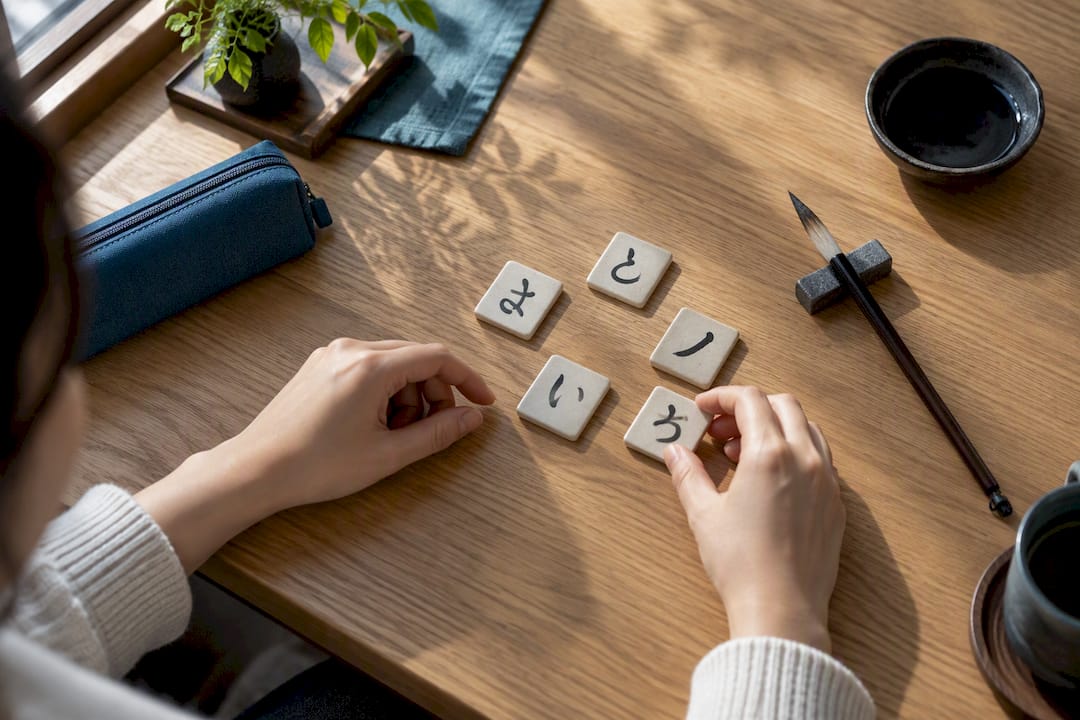
Picking up Japanese may seem daunting at first. While Japanese classes in Singapore are common and widely available, you may feel constrained to textbooks and routine practice exercises.
However, there are actually many ways you can familiarise yourself with the language. Japan’s bustling arts scene has so much to offer, be it literature, movies, or music. If you are an avid reader or film aficionado, or just a beginner looking for more ways to make learning the Japanese language fun, here are some fresh ways to learn Japanese without getting bored!
1. Appreciate the lyrics of your favourite songs
What better way to learn new vocabulary than by noting down the unknown or unfamiliar words of your favourite Japanese singer’s songs? Your brain regards that catchy tune stuck in your head as a welcome source of new stimulation. If you can’t get enough of your favourite song, the more you will listen to it, and your subconscious familiarises itself with the language as it slowly learns new words by heart.
Lyrics are also poetry; the thoughtful metaphors in the lyrics are sure to help you appreciate the beauty of the language and expose you to more complex ways of linguistic expression. Not only does it contextualise new and unfamiliar words, but it also shows you new ways you can use them in a sentence or phrase.
Additionally, singing along helps you with your pronunciation. By mimicking their accent and how your favourite singer enunciates their words, you are familiarizing yourself with the tonality and many different sounds of the Japanese language.
2. Explore new universes with literature
Japanese literature spans far and wide; when one thinks about Japanese literature, household names such as Haruki Murakami often come to mind, but there are so many more Japanese authors who are talented wordsmiths able to create new, surreal universes. Contemporary Japanese literature is often translated into English to reach a wider range of audiences, but how about taking a step out of your comfort zone and reading the books in their native language?
If literature and nonfiction are too complex, you may start with manga or even children’s books! The artistic sensibilities of visual artists will complement the intriguing plot without an overwhelming influx of unknown vocabulary and sentence structures, allowing you to pace yourself while enjoying the process.
3. Immerse your senses with films
If you wish to combine visual and auditory experiences while learning a language, motion pictures might be the answer. Not only do you get to listen to the language used in everyday conversations, but the aid of subtitles will make the film more digestible.
Films also serve as a great checkpoint to see how well you truly understand the language. If you are moving up to a more advanced level, you may even want to try watching the film without subtitles for the first time. Go back to it again, but with subtitles this time so you can gauge how much you managed to comprehend the first time.
When choosing a film, it would be good to keep in mind the various levels of language complexity each genre has to offer. While children’s cartoons and TV shows may seem too childish, it is fun to indulge your inner child every once in a while, with colourful graphics and catchy jingles. Romantic comedies and other lighthearted themes are easier to follow than a fast-paced action thriller or sci-fi film with plenty of new jargon.
Conclusion
With the Internet, it has never been easier to access entertainment through a variety of media-streaming platforms. There are also plenty of online libraries that offer a plethora of books in every genre imaginable. With a few simple clicks, new resources are at your fingertips, ready to make learning Japanese manageable and entertaining.