Good Listener
There is power in the spoken word. However, so many of us fail to improve our way of speaking with friends, clients, and even family members. When you talk, do people listen? When others are speaking, do you listen? An excellent communicator is someone who is not only an interesting person but is also the person who has a talent for being interested in what others have to share.
You can also improve your communication skills by learning to listen and paying attention by letting the other person talk without interruptions. Try and listen to what the other person is saying, rather than expressing your reply. Learn to ask for clarification to avoid confusions. At that moment, the person talking to you should be the most important person. Improvement of communication skills is the need of the hour, and to improve, we must be able to see the mistakes.
Be Brief, Yet Specific
The ability to communicate effectively is the most critical skill for building your career. The truth is, we all communicate, but the difference lies in the style that we do it. For verbal and written communication, try and be brief and yet specific for the other person to realise what you are trying to convey. And for the email response, ensure that you read the entire email before crafting your reply. With enough practice, you will learn how not to give way too much information or ramble.
Outstanding Communicator
Becoming an excellent communicator needs preparation and patience, and practice mostly with yourself because what you will expect to find is that you can be talking, but no one is listening. Address in a professional tone at all times and use suitable words to get the message across. You risk wasting a lot of time while communicating with others if you decide to speak unprofessionally. Speak in a simple way that is easy to understand, even if you’re speaking in a foreign language.
It is best to keep the casual language and foul words to the absolute minimum when you are at the workplace. Have enough courage and express your ideas clearly and articulately. By speaking fast, people will assume that you are nervous. Hence, slow down while talking. You should speak to be heard, talk with confidence and pronounce your words correctly to avoid being misinterpreted. You should be able to formulate your opinions and suggestions positively. If there are some negative points, positively present them.
You will be able to pick up the clues sent your way only when you pay attention to the body language of your listener. Are they stepping away from you or shuffling back and forth? Both are indications of lack of interest in what is being said or discomfort. When people yawn or keep looking away, as if searching for an exit route, that is your cue to stop talking or to change subjects pronto.
Summary
Communication skill assessment is an instrument to let you measure your performance and the kind of change needed to communicate efficiently. Communication skill assessments are carried out to be able to judge the ability of the individual to communicate efficiently. The tone of voice also adds to good communication skills. Therefore, practice lowering the pitch of your voice.
Show your interest by making eye contact while speaking with others. The process of learning a new language and communicating with another person is very fulfilling.
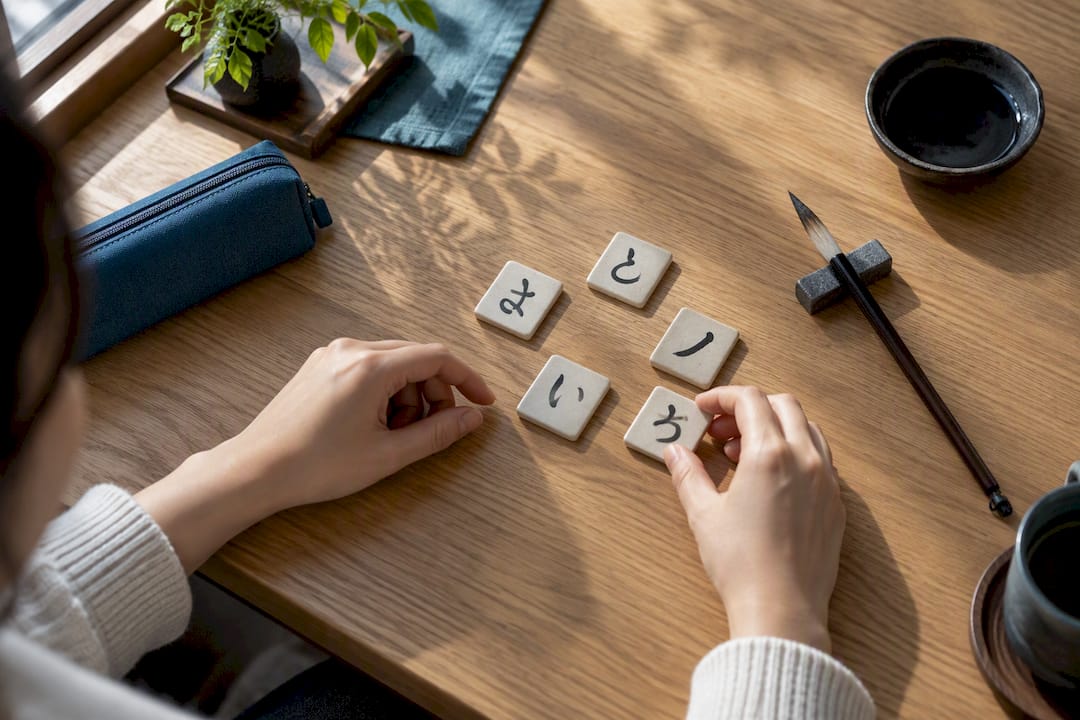
There’s a sense of self-consciousness felt when speaking a foreign language with native speakers. You don’t know if what you are saying is entirely different from what you intended or if people will understand or judge you. Therefore, take a language or speaking course like a Japanese course in Singapore; it will help polish your communication skill.