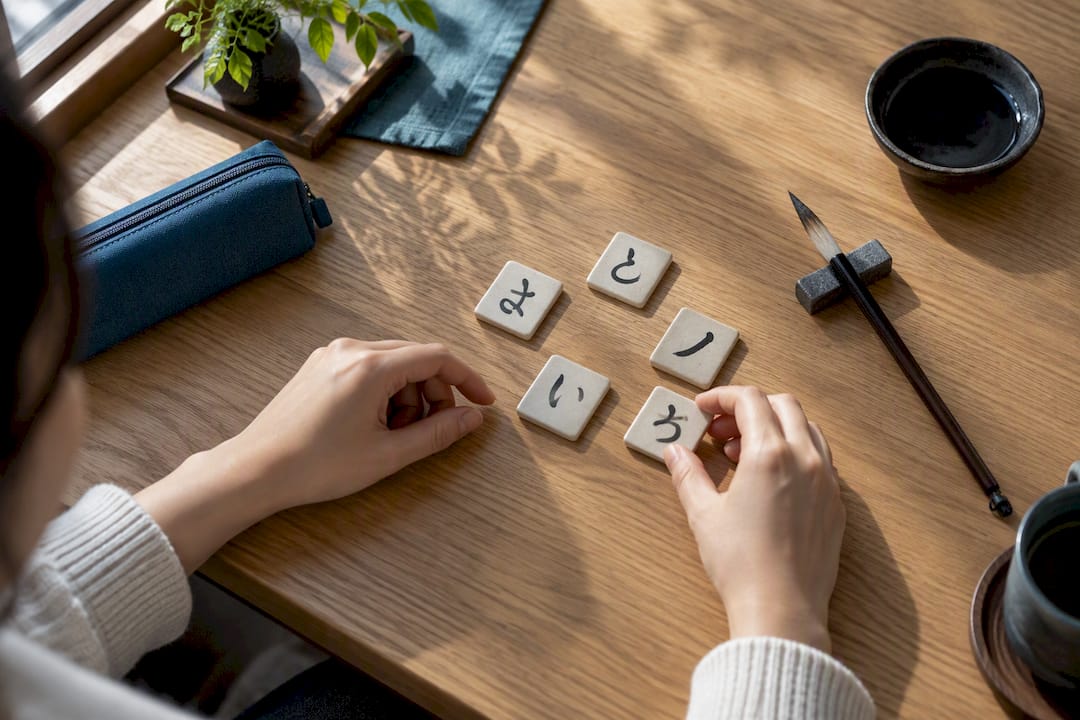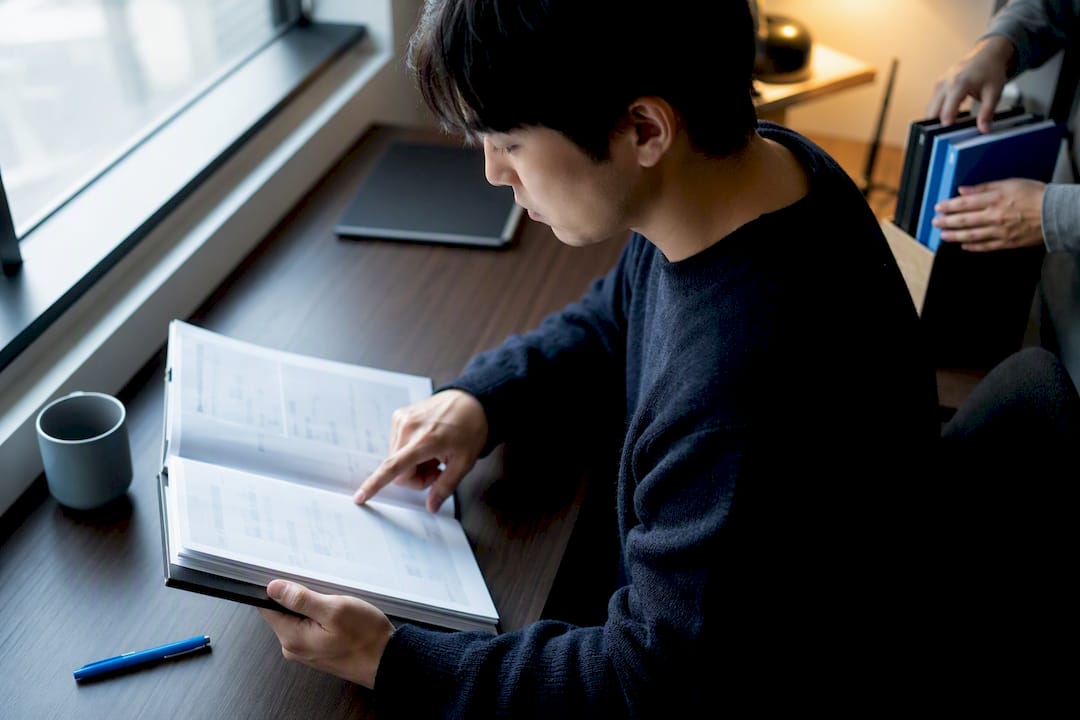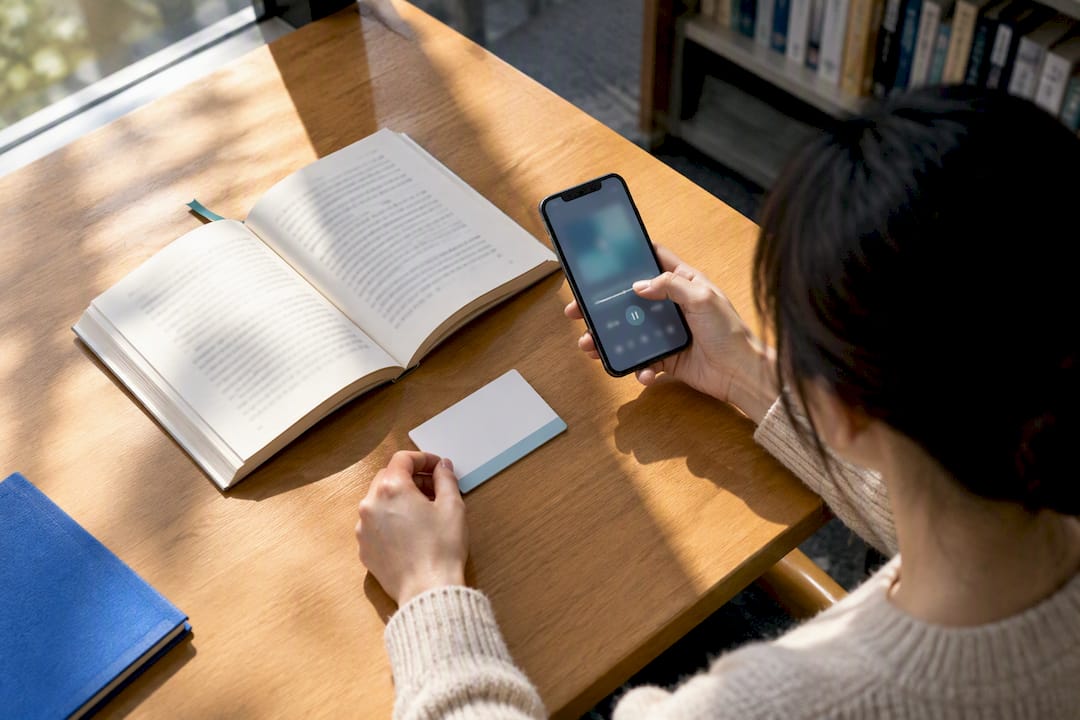
Language exposure is the contact that the student has with the language that they are learning either in general or with precise language points. It can be highly beneficial to continue exposing children to the multitude of different international languages to make them as comfortable with them as possible.
And when the time comes that they have to set out into the world and get on with their careers, knowing a second or third language might be that ‘edge’ that they need.
Have Your Child Spend Time with a Native Speaker
Introduce other languages and culture into your home by offering accommodation to students and overseas visitors. A backpacker who can offer you with the home services you require, such as childcare, babysitting, or a full-time nanny is a great way to expose your child to the different language since the person will be living in your home, and spending time with your children. You can also set up play dates or excursions in which this person can speak to your child in the target language, therefore building a truly immersive experience.
Find Extracurricular Activities in a Foreign Language
Moving forward can be a rather hard thing to accomplish in this day and age. Nowadays, children are born into a day and age where just being the standard isn’t good enough anymore. Children require as much of an advantage over their peers as they can.
Boost their exposure by enrolling her or him in an extracurricular activity. This may be in the form of events that happen to take place in another language or lessons with a tutor.
Travel to a different country and have a good time, by connecting with people from that country and helping your child find peers, by enrolling your child into their favourite activities – be it football or pottery in your desired language. For younger children, you can help by talking well and positively about family members or people from that country.
Learn the Language Together
While this may be the most time-consuming choice of all, if you are interested and you have the time, make this a team effort and learn a foreign language. Enrol in Japanese lessons Singapore adult courses. You will learn the language and gradually teach your child what you’ve learned.
It may be the longest path, but it is one that will have you and your child connect through your mutual learning. You can also apply similar techniques that you used to reinforce the first language to teach your child a second language. Using the second language more frequently in your home will help your child become more fluent.
Use Suitable Materials
Kids usually do better if they’re given learning materials like a dictionary for kids, flashcards, storybooks, and other colourful items that feature different languages. Using games and songs are also the best ways to make language learning fun. Learning a language requires a lot of repetition and songs and games offer the opportunity for repetition naturally without persistently reiterating the same sentences.
Apart from that, they also create circumstances for practising the real language instead of artificial conditions in role plays or made up sentences in textbooks. Therefore, songs and games build interactive confidence in an entertaining way.
There are also many software programs out there that help young learners engage themselves in another language – for example, a program called Early Lingo, which provides lessons in Japanese, Arabic, French, and Spanish, among others. Other alternatives that parents need to check out are Gus on the Go and Little Pim.
Summary
Children require patience, and there will be times when doubt will start sneaking in. As with most characters of parenting, learning a foreign language is a long-term commitment, and there will be ups and downs. Don’t worry if your children don’t speak multiple languages as quickly or as adeptly as their peers. Rather, concentrate on their successes and marvel at the development of their little brain.