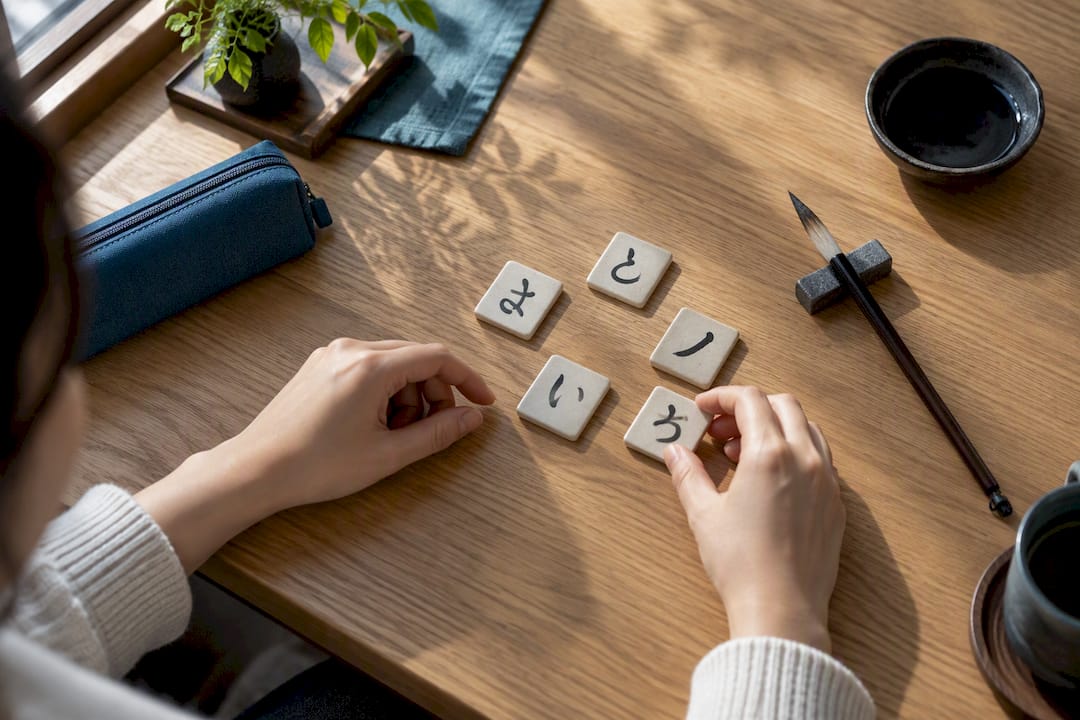
Are you interested in working for a Japanese company in the future? Or do you have plans to go to Japan someday and start your own business there? If your answer is yes, then perhaps you should start to learn Japanese online! Specifically, you should begin acquainting yourself with the fundamentals of business-level Japanese. When it comes to formality, business Japanese is on an entirely different level from conversational Japanese.
Compared to conversational Japanese, business Japanese consists of more complex words, phrases, and sentence structures. It also makes use of a particular grammar. Nonetheless, despite its complexity, it is necessary to master business Japanese if you ever plan to work in Japan or for a Japanese company. To help you get started, here are some of the most common business Japanese phrases you should learn.
1. Ohayō gozaimasu (おはようございます)
Ohayō gozaimasu basically translates to “Good morning” in English. When arriving at your workplace in the morning, be sure to greet everyone with ohayō gozaimasu. No matter what your position or management level is, this basic morning greeting is essential, as it will help you make a good impression at work. So, always get off on the right foot by greeting your bosses and colleagues with this phrase.
2. Otsukaresama desu (お疲れ様です)
Otsukaresama desu or otsukaresama deshita (past tense) is a frequently used business Japanese phrase that is a little difficult to translate into English, but many speakers say that its meaning is similar to “Thank you for your hard work.” It is essentially an expression of appreciation for another person’s efforts. You can say it to your colleagues at the commencement of a project, or after every shift to recognise their hard work.
3. Onegai shimasu (おねがいします)
The phrase onegai shimasu can be used in plenty of different ways. However, it is most frequently used when asking for a favour from your colleagues or boss. It’s rough equivalent in English is “Please.” If you do not make use of this phrase when you ask someone from work for a favour, you will likely sound a little rude. As such, it is important to always include this phrase after you ask for a favour or state a request.
4. Shōchi shamishita (承知しました)
This phrase is a polite way of saying “Okay, got it!” You can use it to express that you have understood what another person has told you. Normally, you may say ryōkai desu when talking to your colleagues. However, if you are responding to your clients or bosses, or when you are writing emails, it is better to use shōchi shamishita. The verb “shōchi” literally means “awareness” or “knowledge.”
Conclusion
There are plenty of things to learn when it comes to business-level Japanese. There is no doubt that business Japanese is a lot more complicated than its conversational counterpart. That said, business Japanese is important to master because your understanding of the formal Japanese language and business etiquette will either make or break your success in the Japanese workplace.
If you wish to amp up your grasp of business Japanese in a sure-fire way, you should consider enrolling in a Japanese lesson in Singapore. At Japanese Explorer, we offer the most comprehensive and effective AJALT-accredited Japanese classes that will help you achieve your desired fluency in the Japanese language – whether formal or conversational. With the guidance of our native Japanese teachers, you can surely become a fluent Japanese speaker in no time. Feel free to reach out to us anytime to find out more or to sign up for a Japanese class.