One of the reasons why Japan has managed to garner a lot of international interest is due to its ability to seamlessly marry both of its beautiful traditions and Westernisation. Despite the waning emphasis on its tradition and cultures in the current moment, the country is still successful in retaining its culture, with some areas seeking a revival. Let’s take a deep culture dive and discover how the country is trying to fight the possible extinction of their rich traditions.
Traditional Crafts
With the rise of the Meiji era, Japan began to enter an age of rapid cultural change and technological advancement. This brought about a transformative shift in several of its industries, one of it being it’s arts and crafts. With the introduction of advanced production methods, travel and information networks and the railroad, skilful artisans were able to incorporate new techniques into their craft and have them introduced all around Japan and even overseas.
As with any traditional crafts, it’s hard to go against the efficiency and cost-efficiency machinery offers. Now that mass-production is a possibility, many traditional crafts and materials began to disappear, only to be replaced by cheap and low-quality counterparts.
In recent years, however, we are beginning to see a revival of traditions that were once extinct. By rediscovering its symbolism as an item of the past and its local cultural identity, these products and its craftsmanship are being brought back to the present. One of these is the Satsuma kiriko, a traditional glassware that was once the favourite of Shimazu Nariakira, a feudal lord in the late Edo period. A cut that features delicate cutting of overlaid coloured glass, the Satsuma kiriko was celebrated for its rich and beautiful gradation of colours. They, unfortunately, lost favour and eventually died out. Luckily for this craft, the Satsuma Glass Kogei Workshop was built in 1985, in hopes to revive not only the art form, but also the local identity.
Japanese Kimono
Once a standard of the Japanese wardrobe, the kimono has become a garment that’s relegated for only special occasions – and there are reasons why. These stunning and elegant garments are not only typically expensive, but they are also hard to wear. One usually requires the help of an expert as donning a kimono requires endless tucking, strapping and nipping.
In 1975, the kimono industry accounted for 1.8 trillion yen, but this sharply decreased as more affordable and wearable alternatives came into the market. By 2016, the industry’s market size is of 278.5 billion yen.
There was a short revival with the introduction of kimono schools in the 1960s, where those who have never learnt to dress themselves in the native dress were taught those who do. However, these lessons were for the upper-middle class and for housewives to spare, thus severely limiting the accessibility of such a culture. Compare this with the Internet, where many are using to explore and promote cultural interest.
People are using the Internet to by-pass kimono shops to explore what the garment has to offer. On top of allowing people to purchase kimono, it is also used as a social networking tool for people to share experiences, information and experimentation regarding the kimono. In October 2008, there were 2.4 million hits for ‘kimono blog,’ which only increased to 24.7 million hits in May 2012. This remarkable increase in interest gave the kimono makers the push they need to experiment and innovate. One such kimono designer, Jotaro Saito, even showcased kimonos mixed with traditional and unconventional motifs and colours at the Tokyo fashion week in 2018.
Language
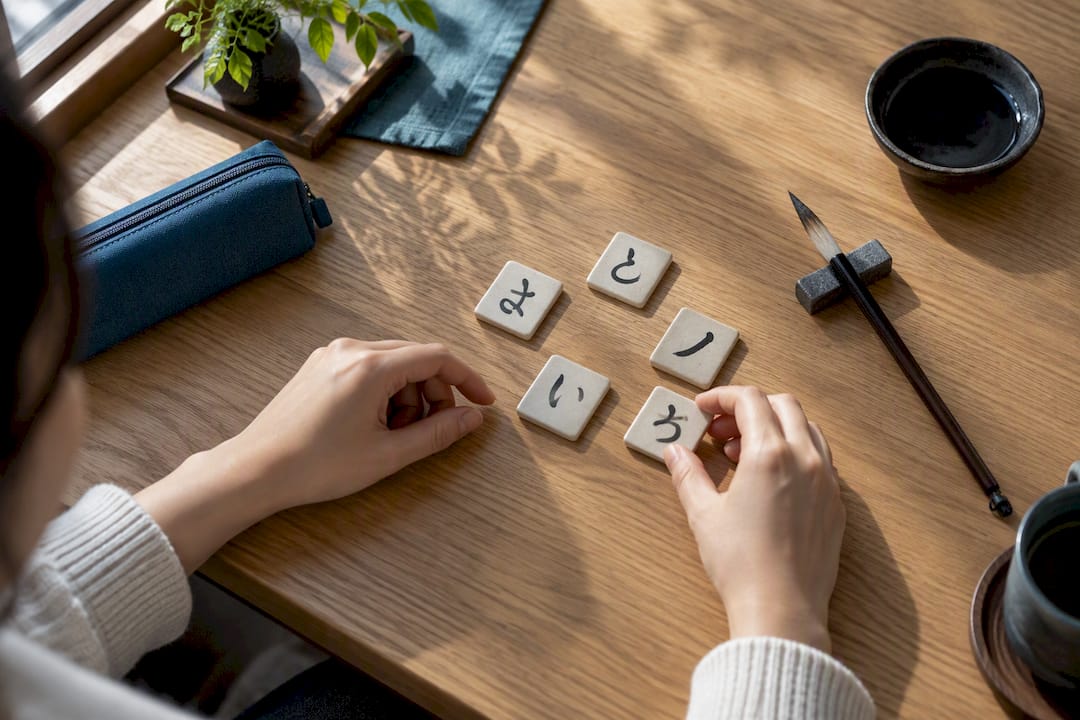
If you’ve started your journey to learn Japanese, you’re probably aware that the Japanese language has several dialects that are unique to each region. However, did you know that, in addition to Japanese, there are 14 Ryukyuan languages and the highly-interested Ainu language? These languages are mutually unintelligible with Japanese and also with each other. Those speaking in one of the Ryukyuan languages won’t be able to understand a native Japanese speaker, and vice versa.
The rising interest in the Ainu language is probably its saving grace from total extinction. This language was the language of the indigenous people of Hokkaido, before it was replaced by Japanese as the Ainu were colonised. Now, there are only about 10 native speakers left in the world. With the efforts made by small culture of linguists and language lovers in Japan to revitalise the Ainu language as part of the native culture of Hokkaido, its revival will not be a mere pipe dream.
With time, the Japanese culture has changed and evolved, fusing the old and new. If you wish to learn more about the intricacies of the culture and tradition, consider enrolling in Japanese courses! On top of learning the amazing language, taking Japanese lessons is one of the more accessible ways you can immerse yourself in its culture. So don’t wait and give us a call today!