The Japanese language is one of the most attractive languages in the world, and it is part of a vibrant and complex culture that many people enjoy. There are also many subcultures that can be explored when you learn the language. It’s no surprise that it’s one of the most popular languages in the world.
If you’re interested to learn the Japanese in Singapore, then here are some valuable tips to guide you on how to learn the language more efficiently:
- Try to speak the language – if you don’t talk and you stay shy about making a mistake, you will not be able to learn the language completely. Don’t be worried about the mistake. It is okay; and especially, if you are in Japan and speak something wrong in front of the Japanese people, the always correct you instead of making fun of you.
- Start exposing yourself to the culture – you can get a hint of the culture of any country by watching their TV shows. Other than that, if you are in Japan, go to their famous places, travel through local buses and communicate with the general public.
- Japanese animations is also a great way to expose yourself to language. If you are new to the language, you can learn so much from watching anime.
- Don’t read in the romaji – romaji is using the English alphabets to spell out Japanese words so that it gets easier for people to read it. Though it helps a lot in understanding Japanese, yet some people get stuck with intonation when they try to speak the Japanese language. Their accent and their intonation might get a little off and unbalanced. This is because every hiragana character has its specific sound, but in romaji, everything is spelt out in English. When people read it, they will tend to stress on certain syllables; which will make the entire word sound a little bit off.
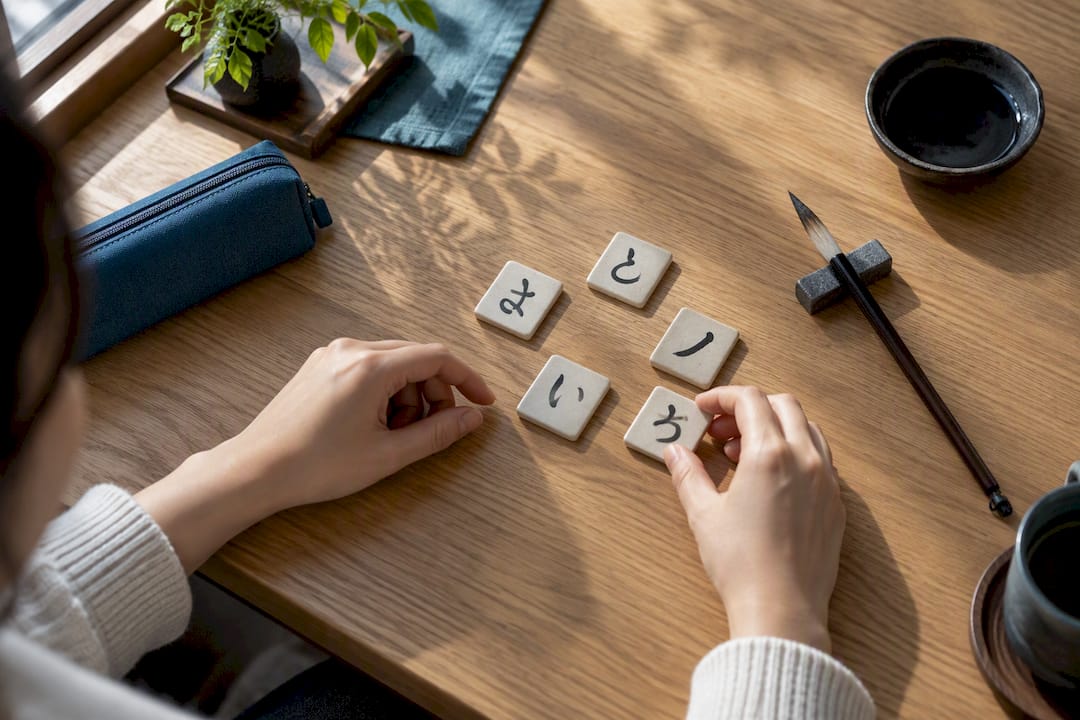
- Start with hiragana and katakana – these two are not hard to learn, and it is possible to master hiragana and katakana in a few days. Both hiragana and katakana sound the same, but they are written differently. Hiragana is used mainly for sounding Japanese words while katakana is used for spelling our foreign words.
- The best way to learn any language is through practice. So, have a notebook ready all the time. Note down any word that you come across to enhance your vocabulary and then practice it regularly. This will also help you in excelling your writing skills in the Japanese language.
- Learn the basic sentence structures – this will be easier if you speak Korean. But, if English is the only language that you speak, you might have to work a little bit harder. In the Japanese language, you put the subject first, and then the action comes later.
- Do not rush learning kanji – kanji is the Chinese characters kanji, and it is not something that you can learn easily. You have to keep practising it for years to get a good command over it. Kanji is used very differently in Chinese and in the Japanese language. In Chinese, it is their only writing system; which means that every single word is written in kanji, but in Japanese, it is mainly used to give the word its identity. For example, the word Hana can have multiple meanings because there are multiple words in the Japanese language with the same sound. However, if we replace the hiragana word “Hana with the Kanji, people will immediately know that it is about a flower.
- Read novels or books in the Japanese language – one of the best ways to learn any language and get sophisticated in it is by reading their literature. Choose any novel or book of your choice and read it till the end.
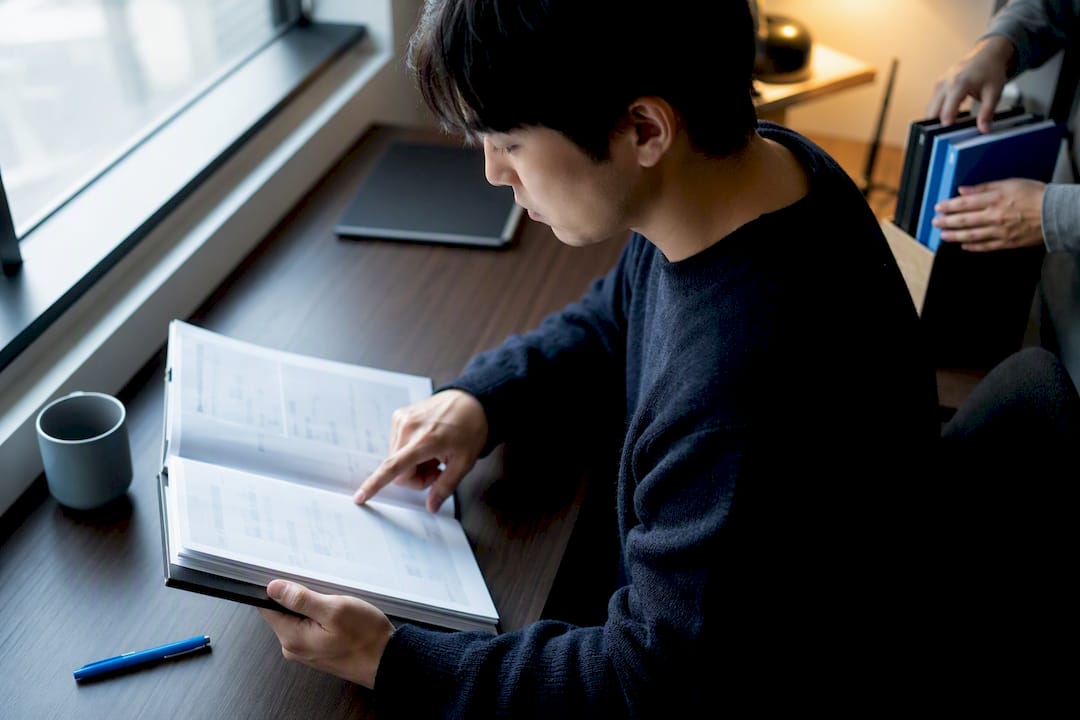
- Always study under the supervision – don’t study any language on your own or without any supervision. This will help you understand complex sentences and words.
There are also some great institutions the give supervised Japanese classes in Singapore, so get registered in any of these institutes and learn the Japanese language from professionals. You’ll be able to master the language in no time at all.