TL;DR:
- Adult Japanese classes in Singapore offer practical, scenario-based learning through small groups, private coaching, or online sessions, tailored to learners’ schedules and goals. Consistent self-study, active class participation, and alignment with exam timelines significantly boost language acquisition. Structured courses focusing on real-world contexts and cultural knowledge ensure faster, more natural fluency than self-study alone.
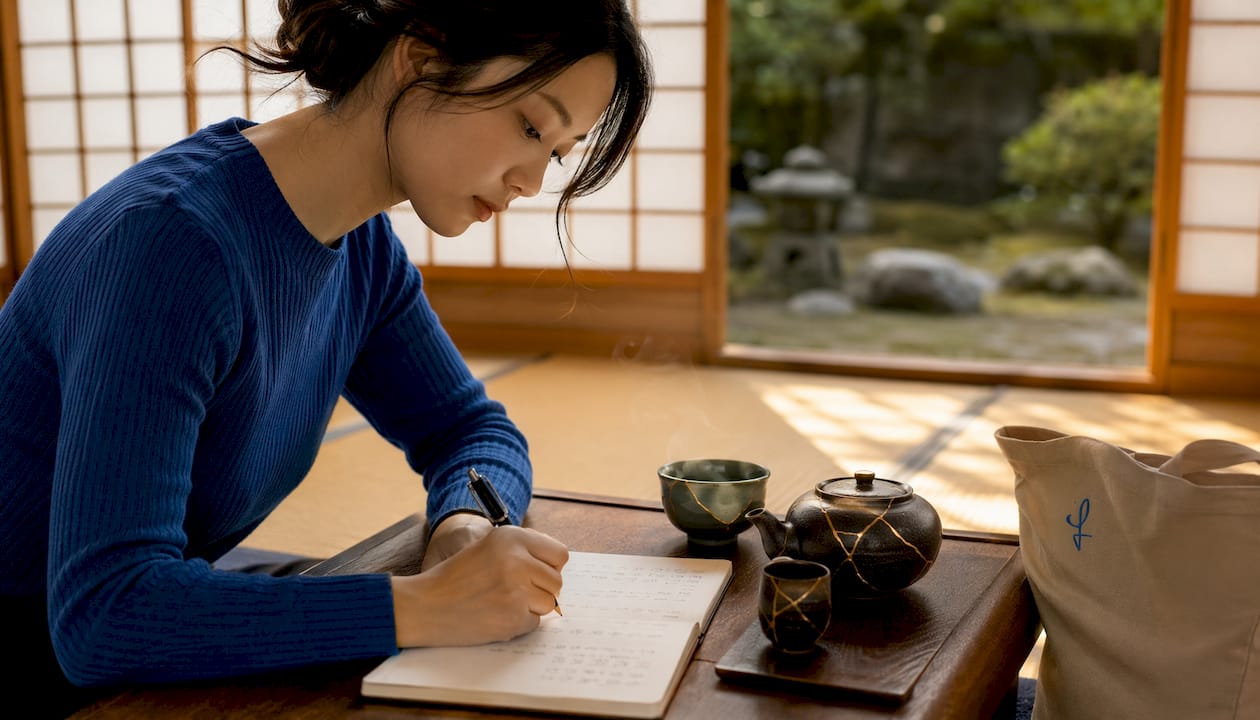
A Japanese class for adults is a structured language program designed to build practical communication skills across speaking, listening, reading, and writing for learners beyond school age. In Singapore, demand for adult Japanese language courses has grown steadily, driven by professionals working with Japanese companies, travelers, and anyone drawn to Japanese culture, anime, or cuisine. Whether you are an absolute beginner or picking up where you left off years ago, the right course format makes all the difference. Curricula like Irodori, developed by the Japan Foundation, and Genki are the two most widely used frameworks in adult programs, and understanding how they work helps you choose wisely.
What types of Japanese classes are available for adults in Singapore?
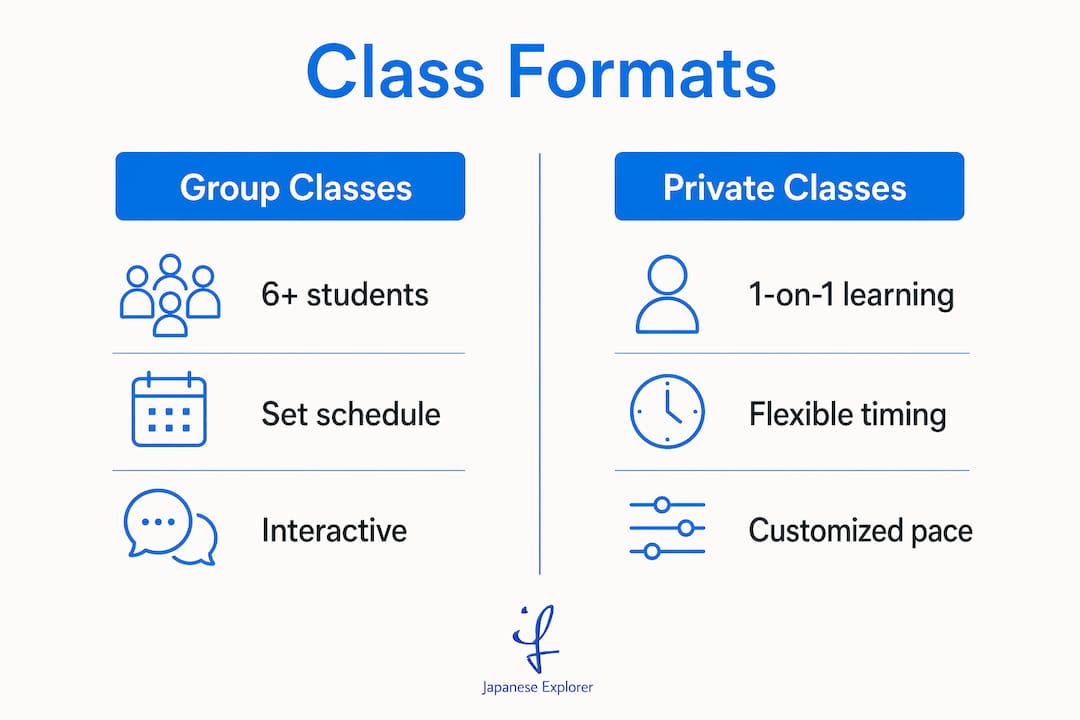
Adult learners in Singapore have more options today than ever before, and the format you choose shapes your progress as much as the curriculum itself. The three main delivery modes are small group classes, private coaching, and live online sessions. Each suits a different learner profile.
Here is a breakdown of what each format offers:
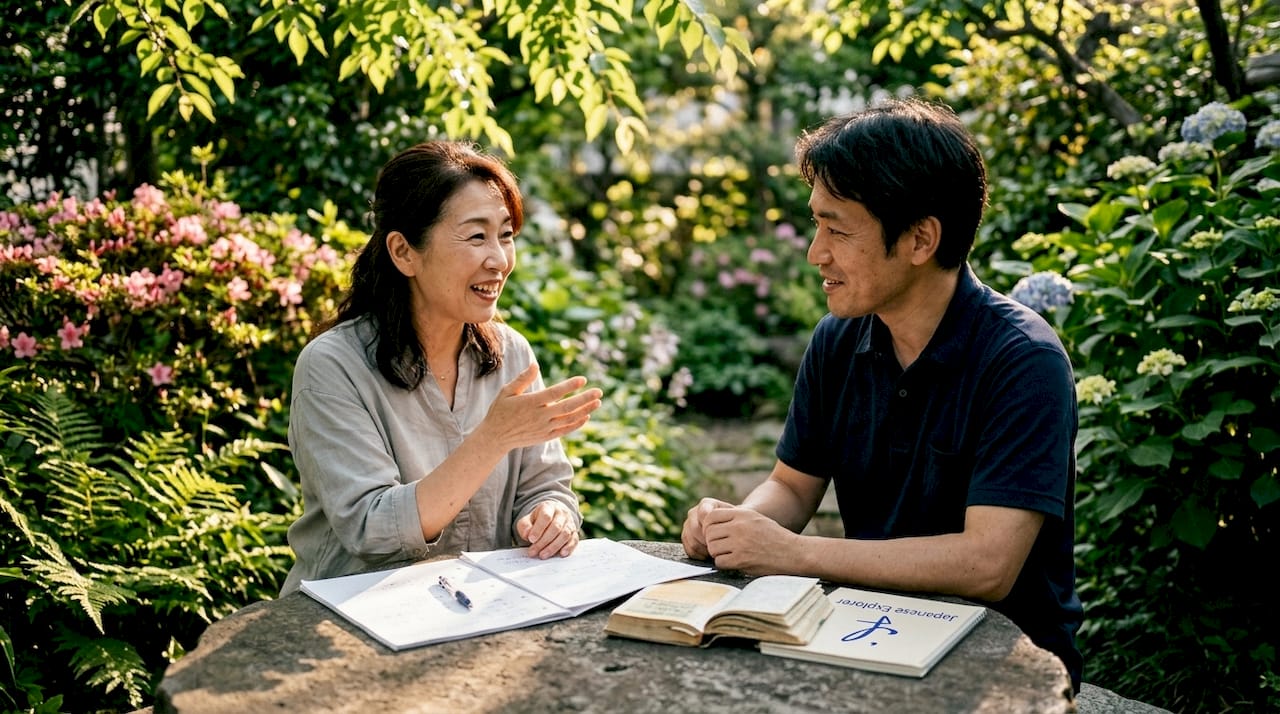
- Small group classes (in-person): Typically 6 to 15 students, held at a fixed location. Best for learners who thrive on peer interaction and structured schedules. Japanese Explorer’s small group classes in Singapore run at International Plaza, right above Tanjong Pagar MRT, making them easy to reach after work.
- Private coaching: One-on-one sessions with a certified instructor, tailored entirely to your goals. Ideal if you need business Japanese fast or have a very specific learning objective. Private Japanese lessons allow you to set the pace and focus.
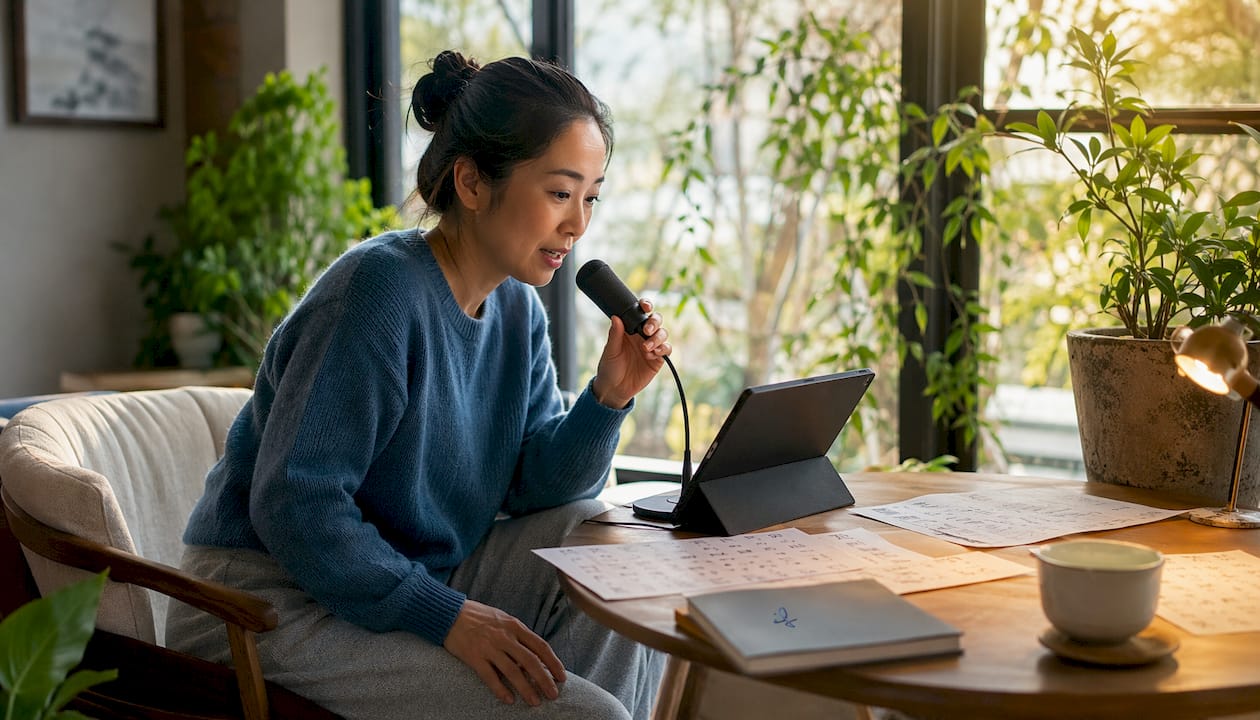
- Live online group classes: Zoom-based sessions that replicate the classroom experience. Programs like the one offered by International House Osaka run fixed 20-lesson blocks with 1.5-hour sessions twice weekly, requiring active self-study between classes. This model suits Singapore learners who prefer flexibility without sacrificing structure.
- Evening Japanese classes: Scheduled after business hours, these are the most popular format among working adults. A course like the one offered by Vancouver Japanese Language School runs Tuesday evenings from 6:30 to 8:30 pm with groups of 6 to 12 students, showing how evening formats balance social learning with manageable time commitments.
Levels typically follow two international frameworks: CEFR (A1 through C2) and JLPT (N5 through N1). Most beginner Japanese for adults starts at JLPT N5 or CEFR A1. Course durations vary from 10-week blocks to rolling monthly enrollment. If you are preparing for a specific exam or trip, a fixed-block course gives you a clear endpoint and measurable milestones.
How Japanese classes for adults integrate practical and cultural learning
The most effective adult Japanese language courses do not separate grammar drills from real-life use. They teach language through situations you will actually encounter, whether that is ordering food in Osaka, writing a professional email to a Japanese client, or understanding a colleague’s casual speech.
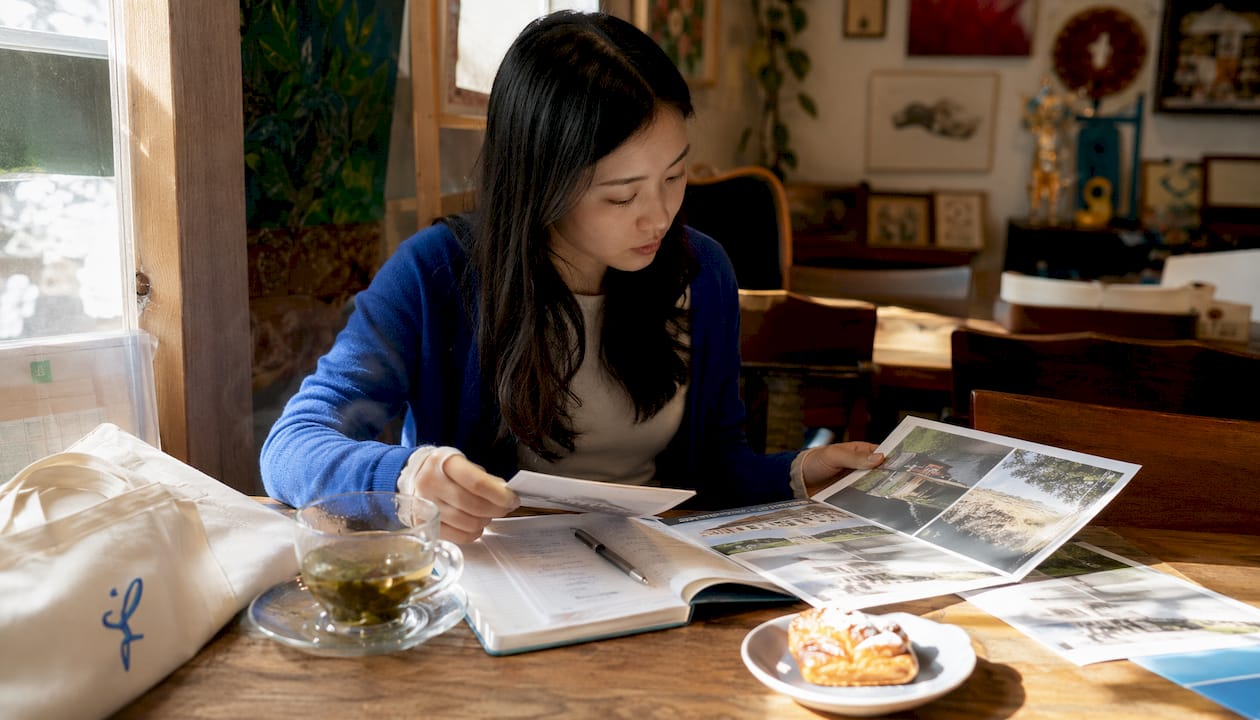
The Japan Foundation’s Irodori materials are built entirely around this philosophy. The Irodori coursebook targets A2 to B1 learners and focuses on life and workplace scenarios, with free downloadable content and audio streaming. This means you practice the language in context, not in isolation. Competency-based learning like this is more effective for adults aiming to use Japanese daily or professionally than purely grammar-driven study, because it connects new vocabulary to situations your brain already understands.
Cultural knowledge is woven into every well-designed lesson. You learn that Japanese has distinct speech levels, that keigo (formal speech) is non-negotiable in business settings, and that pitch accent changes meaning in ways that romaji textbooks never warn you about. These are not optional extras. They are the difference between sounding natural and sounding like a textbook.
Pro Tip: When your class covers a cultural topic, such as gift-giving etiquette or office hierarchy language, spend 10 minutes after the lesson watching a short Japanese YouTube clip or drama scene that shows the same situation. Your brain encodes the language far more deeply when it sees real-world confirmation of what you just studied.
Courses tailored for Singapore learners also address the specific contexts where Japanese comes up locally: communicating with Japanese expat colleagues, preparing for business trips to Tokyo or Osaka, or simply enjoying Japanese media without subtitles. This local relevance keeps motivation high and makes every lesson feel purposeful.
How to structure your study and maximize success in adult Japanese classes
Showing up to class is only half the work. Adult learners who make the fastest progress treat their course like a professional commitment, not a casual hobby. The structure you build around your lessons matters as much as the lessons themselves.
Follow these steps to get the most out of your adult Japanese language course:
- Preview before every class. Programs like International House Osaka’s online course require active preview of materials before each session. Even 15 minutes of reading the vocabulary list or listening to the audio track primes your brain to absorb new content faster in class.
- Review within 24 hours. Spaced repetition is the most research-supported method for vocabulary retention. Apps like Anki let you build flashcard decks directly from your lesson materials. Reviewing the same content the next morning locks it into long-term memory.
- Set a realistic weekly study target. For a twice-weekly class, plan at least 2 to 3 hours of self-study per week. That is roughly 30 minutes per day on non-class days. Consistency beats intensity every time.
- Prepare your online setup properly. Live online classes require camera and microphone to be on throughout the session. A quiet room, stable internet, and headphones are not optional. Technical disruptions break your concentration and your classmates’ experience.
- Align your study with JLPT exam dates. The JLPT runs twice in 2026, on July 5 and December 6. If passing N5 or N4 is your goal, count backward from the exam date and choose a course block that ends at least four weeks before the test. That buffer gives you time for focused exam practice.
Pro Tip: Speaking anxiety is the number one reason adult learners stall. Commit to answering at least one question out loud in every class, even if you are not sure of the answer. Live interaction in small groups is proven to build speaking confidence faster than any amount of solo study.
Comparing popular Japanese adult class options in Singapore
Choosing the right course comes down to matching your schedule, budget, learning style, and goals. Use this comparison to narrow down your options.
| Format | Group size | Schedule | Curriculum | Best for |
|---|---|---|---|---|
| In-person small group | 6 to 15 | Fixed weekly evenings | Genki, Irodori, or school-designed | Learners who want peer interaction and structured accountability |
| Live online group | 6 to 12 | Fixed blocks, evenings or weekends | Irodori, school-designed | Busy professionals who need flexibility without losing live feedback |
| Private coaching | 1 | Fully flexible | Customized to learner goals | Fast-track learners, business Japanese, or those with irregular schedules |
| Business Japanese course | Small group or private | Weekday evenings or custom | Business-focused curriculum | Professionals working with Japanese companies or planning Japan postings |
Comparing courses should include factors like curriculum, group size, schedule, and cultural content to match your priorities as an adult learner. Cost varies significantly: group classes in Singapore typically run more affordably per session than private coaching, but private sessions compress learning time for specific goals. Japanese Explorer offers structured Japanese language courses across all these formats, from beginner conversational to business Japanese, with both in-person and online delivery.
For learners targeting the JLPT, a dedicated JLPT preparation course is worth considering alongside or after a general language course. These programs focus specifically on exam structure, vocabulary lists, and timed practice, which general conversation courses do not cover in depth.
Key takeaways
The most effective Japanese class for adults combines a competency-based curriculum, consistent self-study, and a format that fits your real schedule and goals.
| Point | Details |
|---|---|
| Choose format by lifestyle | Match class type (group, private, online) to your schedule and learning style before comparing price. |
| Prioritize practical curricula | Irodori and scenario-based programs build usable language faster than grammar-only approaches for adult learners. |
| Self-study drives results | Weekly review and preview between classes, using tools like Anki, determines progress more than class hours alone. |
| Align with JLPT timelines | Plan course blocks to finish at least four weeks before the July 5 or December 6, 2026 exam dates. |
| Online classes need preparation | Camera on, quiet room, and stable internet are non-negotiable for effective live online participation. |
Why I think most adults underestimate what structured classes actually do
I have seen a lot of adult learners try to self-study their way to conversational Japanese using apps and YouTube. Some get surprisingly far with hiragana and katakana. Then they hit the wall. Kanji blur together, grammar patterns stop making intuitive sense, and speaking practice becomes impossible without a real conversation partner.
What a structured Japanese class for adults actually gives you is not just content. It gives you a forcing function. You show up twice a week, someone expects you to have done the preview, and there are five other people in the room who will hear you speak. That social accountability is something no app replicates.
The learners I have seen progress fastest are not necessarily the most talented. They are the ones who treat their course like a standing meeting they cannot cancel. They do the 20 minutes of review the night before class. They ask questions even when they feel embarrassed. They pick a goal, whether that is passing JLPT N4 or holding a basic conversation with a Japanese colleague, and they choose a course that points directly at that goal.
My honest advice: do not spend three months deciding between formats. Pick the one that fits your schedule right now, commit to one full course block, and reassess after. The step-by-step guide to Japanese study in Singapore is a good starting point if you want a structured roadmap before you enroll.
— Paul
Start your Japanese learning journey with Japanese Explorer
Japanese Explorer offers adult Japanese classes in Singapore designed for exactly the kind of learner this article describes: busy, goal-oriented, and serious about making real progress. Courses run in small groups and private formats, with both in-person sessions at International Plaza above Tanjong Pagar MRT and live online options via Zoom.
Whether you are a complete beginner or returning to Japanese after a gap, Japanese Explorer’s curriculum covers conversational and business Japanese across all levels. Flexible scheduling includes evening and weekend slots built around working adult timetables. Explore the full range of adult group classes in Singapore or check out the online Japanese course if you prefer to learn from home. Your first lesson is closer than you think.
FAQ
What is a Japanese class for adults?
A Japanese class for adults is a structured language program designed for learners aged 18 and above, covering speaking, listening, reading, and writing through practical, real-world scenarios rather than school-style rote learning.
How long does it take to learn Japanese as an adult?
Reaching conversational ability at JLPT N4 level typically takes 12 to 18 months of consistent study with two classes per week plus regular self-study. Progress depends heavily on weekly contact time and structured review between sessions.
Are evening Japanese classes available in Singapore?
Yes. Most adult Japanese language courses in Singapore schedule sessions on weekday evenings or weekends to accommodate working professionals. Japanese Explorer offers evening group classes at International Plaza, conveniently located above Tanjong Pagar MRT.
Can I learn Japanese online as an adult in Singapore?
Live online Japanese classes via Zoom are fully effective for adults when participants keep their camera and microphone on and maintain a quiet, distraction-free environment. Japanese Explorer’s online Japanese course replicates the interactive classroom experience with certified instructors.
Do I need to prepare for JLPT while taking a regular Japanese course?
A general adult Japanese language course builds the foundation, but dedicated JLPT preparation covers exam-specific vocabulary, grammar patterns, and timed practice. The 2026 JLPT exam dates fall on July 5 and December 6, so aligning your course block to finish well before those dates gives you time for targeted exam practice.