If you just need flexible basics on your own schedule, start with a structured self-study track. If you want spoken fluency, business Japanese, or steady accountability, pick a live tutor-led course instead. Either way, the next move is small: take a level check or book a trial live lesson before committing money or months.
TL;DR:
- The most effective courses allocate significant speaking time per lesson, ideally at least 20 minutes of active conversation, to develop pronunciation and natural phrasing.
- Private tutoring or small live classes better suit learners with tight deadlines or specific goals, offering faster correction and personalized pacing than self-study alone.
- It typically takes three months of consistent weekly practice to reach basic conversational skills at JLPT N5 or A1 level, with advanced fluency requiring several years of dedicated effort.
- Free resources like NHK lessons are valuable for beginners but lack live feedback, making paid courses essential for pronunciation accuracy and real speaking confidence.
- Always verify the actual speaking practice hours in a course, instructor qualifications, and availability of trial lessons before committing to a program.
Table of Contents
- What Are the Main Types of Online Japanese Courses?
- How Long Does It Take to Reach Each Level?
- How Do You Choose the Right Online Japanese Course?
- Is a Free Course Enough, or Should You Pay for Live Classes?
- What Setup and Habits Actually Improve Your Results?
- Why Most Course Comparisons Get This Backwards
- Start With a Placement Test, Not a Guess
- Sources
- FAQ
What Are the Main Types of Online Japanese Courses?
Every online Japanese course falls into one of four buckets, and picking the wrong one is the single biggest reason learners quit. Match the format to your actual goal, not the one that sounds most impressive.
Self-study platforms give you the most flexibility and the lowest cost. You work through grammar and vocabulary at your own pace, which suits people building a foundation before they invest in live instruction. The catch: nobody corrects your pronunciation, and self-study alone rarely builds the confidence to hold a real conversation.
Tutor-supported courses add a layer self-study can’t: scheduled check-ins and feedback on assignments. You still do most of the work independently, but a real person reviews your progress at set intervals.
Live group classes put you in a room (virtual, but real) with other learners and an instructor guiding the pace in real time. This is where speaking practice actually happens, and where mistakes get caught before they become habits.
Private tutoring trades group dynamics for a syllabus built entirely around you, with faster correction and no waiting your turn to speak. It costs more per hour but compresses timelines significantly, which matters for private lessons built around business travel or exam deadlines.
- Busy professionals: private tutoring or small live cohorts, scheduled around work
- Exam candidates (JLPT-focused): self-study for volume plus live sessions for speaking mocks
- Travelers with a deadline: intensive live classes with heavy speaking practice
- Casual, no-deadline learners: self-study first, live classes once motivation is proven
Blended models combine a self-paced platform with weekly live sessions and tend to outperform either extreme on their own.
How Long Does It Take to Reach Each Level?
Progress in Japanese is usually mapped against the JLPT scale (N5 to N1) or the CEFR-aligned levels the JF Standard for Japanese-Language Education uses to describe what a learner can actually do, not just what vocabulary they’ve memorized. Here’s a realistic sense of what each stage looks like and how long it tends to take with consistent effort.
- Beginner (JLPT N5, roughly A1): You can introduce yourself, order food, and follow simple directions. Expect 3 to 4 hours a week for about three months to get comfortable here, and a beginner course built around this stage should include hiragana, katakana, and basic sentence patterns from week one.
- Elementary to intermediate (JLPT N4 to N3, roughly A2 to B1): You can handle daily conversations, read simple articles, and write short messages without translating in your head first. This stage typically takes several months to a year of steady practice with regular weekly study and live speaking time.
- Advanced (JLPT N2 to N1, roughly B2 to C1): You’re reading news, following workplace conversations, and using appropriate register with colleagues or clients. Reaching this level realistically takes multiple years of consistent study and practice, and almost nobody gets there through self-study alone.
The pace above assumes real feedback loops. The Japan Foundation’s Marugoto course builds its curriculum around task-based communication tied to these same JF Standard levels, which is worth understanding even if you never enroll in it directly, because it shows what “intermediate” is supposed to actually mean in practice.
How Do You Choose the Right Online Japanese Course?
Course pages are designed to look impressive, not to answer the questions that actually matter. Before you pay for anything, run through this checklist and, if a school won’t answer these questions clearly, treat that as your answer.
- Does the format match your goal? Conversation practice, JLPT prep, and business Japanese need different course structures, not just different vocabulary lists.
- What are the instructor’s qualifications? Bilingual fluency alone isn’t teaching ability. Ask how instructors are trained to teach, not just whether they speak the language.
- How much live speaking time is built into each lesson? A one-hour “live class” where the instructor talks for 50 minutes isn’t a speaking course.
- How is feedback delivered? Written corrections, recorded pronunciation notes, and live in-class correction all work, but a course with none of these will plateau you fast.
- Is there a trial lesson or placement test? If a program doesn’t let you sample it first, that’s a red flag worth taking seriously.
- What happens if the format doesn’t fit? Look for a clear policy on switching classes or getting a refund before you commit to a longer cohort.
Watch for these warning signs specifically: courses that promise fluency in a fixed number of weeks regardless of your starting point, programs with no visible sample lesson, and any class where speaking time isn’t mentioned at all in the course description.
Pro Tip: Ask directly, “How many minutes per lesson will I personally spend speaking, not listening?” A vague answer usually means the course wasn’t designed around speaking in the first place.
Is a Free Course Enough, or Should You Pay for Live Classes?
Pricing for online Japanese courses generally falls into three shapes: monthly subscriptions for self-study platforms, multi-week cohort programs billed as a package, and hourly rates for private tutoring. None of these numbers means much on its own. What matters is dividing total cost by actual hours of live speaking practice you’ll get, not just total “access” hours.
- Subscriptions (self-study apps and platforms): lowest monthly cost, zero live feedback included
- Cohort programs (fixed-length live courses, often 8 to 12 weeks): mid-range cost, feedback quality varies by class size
- Private tutoring (per-hour): highest hourly rate, but every minute is speaking practice tailored to you
Small live classes, generally capped around eight students, tend to deliver noticeably more individual speaking time per session than larger lecture-style formats, which matters more than the sticker price when you’re comparing two paid options.
Free resources earn their place here too. NHK WORLD-JAPAN’s Easy Japanese lessons offer downloadable audio and text built for absolute beginners, and they’re a genuinely solid starting point before you spend a cent. Paid support becomes worth it once you need someone correcting your pronunciation or holding you to a schedule you won’t keep on your own.
What Setup and Habits Actually Improve Your Results?
A good course gets undermined by a bad Zoom connection more often than people admit. University programs, including TUFS Open Academy’s online Japanese course, run on standard tools like Zoom and Google Classroom, so getting comfortable with basic video conferencing and file sharing before your first live lesson removes one entire category of frustration.
- Stable internet and a quiet space, ideally with a headset mic rather than laptop speakers
- Familiarity with your platform’s screen-share and breakout-room features before day one
- A short daily habit (15 to 20 minutes) rather than one long weekly cram session
- Spaced repetition for kanji and vocabulary, reviewed a little every day instead of memorized in bulk
- Task-based role plays, ordering food, asking directions, introducing yourself, practiced out loud, not just read silently
A compact weekly rhythm, a bit of daily practice plus one focused live session, generally beats occasional marathon sessions for both retention and speaking confidence. The Japan Foundation’s Minato platform pairs self-study modules with tutor support specifically to close this gap between passive review and active speaking. If you want a deeper look at building that speaking habit, our guide on speaking practice walks through specific drills you can run solo between live sessions.
Pro Tip: Book your live sessions at the same time every week using a practical guide to scheduling across time zones. Treating it like a fixed appointment, not a “whenever I have time” activity, is the single biggest predictor of whether learners stick with a course past month two.
Why Most Course Comparisons Get This Backwards
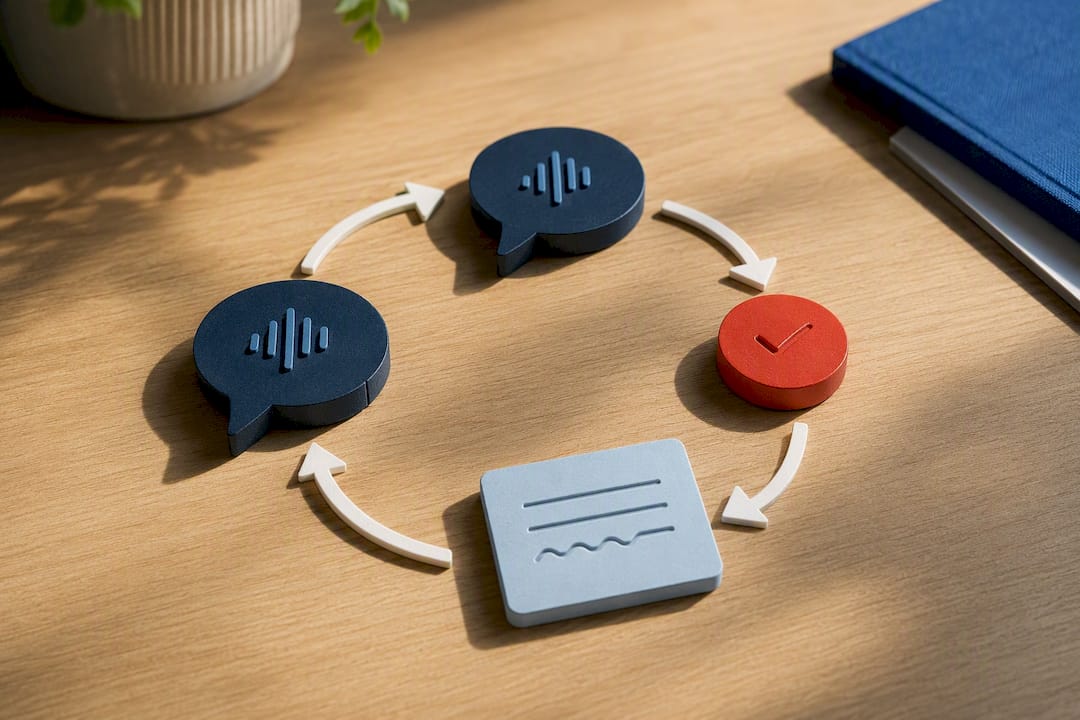
Most guides rank courses by price or brand recognition. That’s the wrong axis. The right question is whether a course gives you enough live speaking minutes to build the corrective feedback loop that self-study simply cannot provide, particularly around pronunciation, natural phrasing, and the layers of politeness Japanese speakers shift between constantly.
Here’s what the conventional advice gets wrong: it treats free resources like NHK’s lessons as a lesser starting point, when they’re actually a smart one for anyone who hasn’t confirmed they’ll stick with Japanese long-term. The mistake isn’t choosing free tools. It’s staying on them for a year once you already know you’re serious.
If I had to prioritize one thing for a reader choosing between options right now, it’s this: don’t judge a course by its curriculum outline. Judge it by how many minutes per lesson you’ll personally spend talking. A beautifully designed syllabus with 55 minutes of listening and 5 minutes of speaking will teach you about Japanese far faster than it teaches you to speak it.
— Paul
Start With a Placement Test, Not a Guess
Online courses are built around exactly the checklist above: small live classes with real speaking time, bilingual instructors, and clear progression from beginner through business-level Japanese, all delivered over Zoom with no guesswork about what you’re getting.
Group classes suit learners who want structure and peer accountability, while private lessons fit anyone on a tighter timeline or a specific goal, like an upcoming trip or a role that suddenly needs business Japanese. Blended options let you mix independent study with live coaching, which is the combination the research in this article points to as most effective for actually speaking with confidence. A typical weekly commitment runs a few hours between live sessions and short daily review, and outcomes depend heavily on how consistently you show up to speak, not just how much material you cover.
Our training centre sits at 10 Anson Road, Level 22, International Plaza, right above Tanjong Pagar MRT. The online course itself runs entirely on Zoom, so location only matters if you’d rather learn in person. If you’re ready to find your starting point, take a placement test or head straight to the online Japanese course page to book a trial lesson and see how a live class actually feels before you commit.
Sources
- JF Japanese e-Learning Minato |The Japan Foundation
- MARUGOTO JAPANESE ONLINE COURSE
- Easy Japanese Learn Japanese | NHK WORLD-JAPAN
- TUFS Open Academy Online Japanese Language Course
FAQ
What Is the Best Online Japanese Course for Beginners?
The best starting point pairs a structured beginner curriculum, covering hiragana, katakana, and basic sentence patterns, with at least one live speaking session per week. A beginner course that includes both study material and live correction will get you further than a self-study app alone.
How Long Does It Take to Learn Japanese Online?
Reaching conversational ability (roughly JLPT N4 to N3) typically takes several months to a year of steady practice with regular weekly study and live speaking time, while advanced fluency (N2 to N1) generally takes multiple years of consistent study and practice.
Are Free Japanese Courses Enough to Get Fluent?
Free resources like NHK WORLD-JAPAN’s Easy Japanese lessons work well for building early vocabulary and grammar, but they don’t provide the live corrective feedback needed for pronunciation and natural conversation, which is where paid tutor-led courses add real value.
What Should I Ask Before Enrolling in an Online Japanese Course?
Ask exactly how many minutes of live speaking time each lesson includes, what the instructor’s teaching qualifications are, and whether a trial lesson or level check is available before you pay for a full course.
Is a Live Class Better Than Self-Study for Learning Japanese?
Live classes provide the speaking practice and real-time correction that self-study can’t replicate, making them better for conversational fluency, while self-study remains a strong, low-cost way to build vocabulary and grammar on your own schedule.