TL;DR:
- Culture is essential to Japanese language learning because it shapes communication and social norms. Engaging with cultural context enhances motivation, vocabulary, and intercultural competence for true fluency.
Culture is the foundation of Japanese language learning, not an optional add-on. Without understanding Japanese social norms, values, and communication patterns, even grammatically perfect sentences can fail to land. The role of culture in Japanese learning shapes everything from how you greet someone to how you interpret silence in a conversation. Learners who treat culture as central to their study, rather than a background detail, develop real communicative competence. This guide explains exactly how cultural context influences motivation, communication, instruction, and fluency, so you can learn Japanese with depth and confidence.
How does culture shape motivation and engagement in learning Japanese?
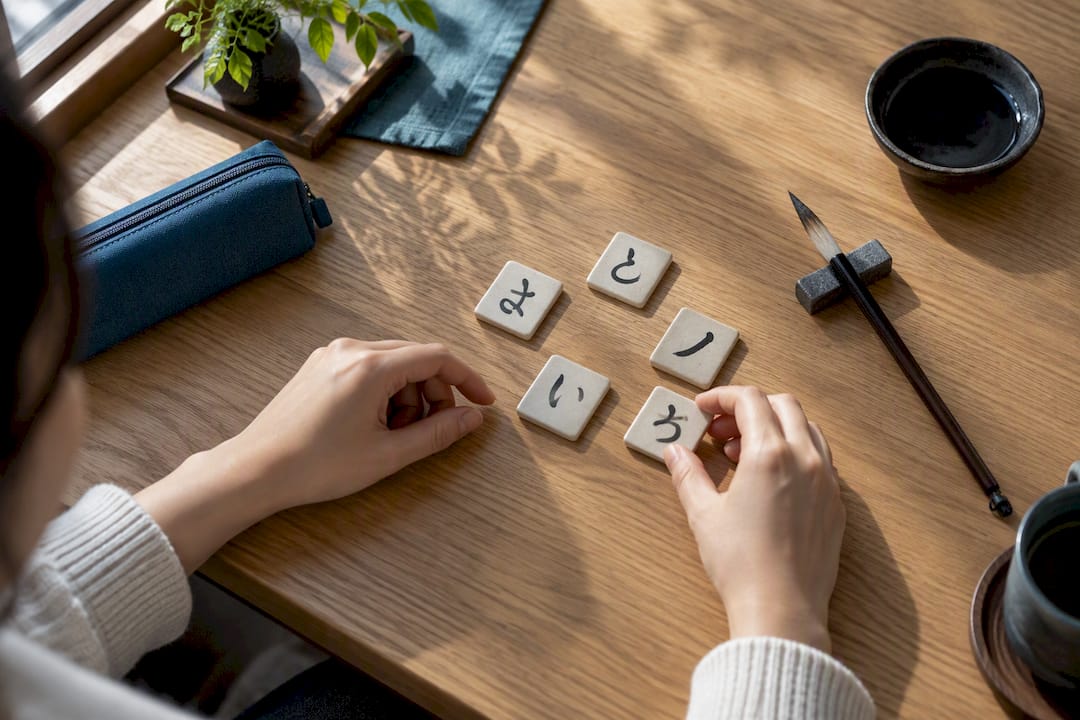
Most learners start with “soft culture.” Anime, films, music, and aesthetics draw people into Japanese study before a single grammar rule is introduced. This is a powerful entry point. Motivation shifts over time, moving from cultural fascination toward pragmatic goals like career advancement, study abroad, and professional communication. That shift is healthy, but it requires intentional management.
The risk is that learners who rely only on cultural enthusiasm hit a wall when the novelty fades. Grammar becomes harder. Kanji multiply. Progress slows. Learners who connect cultural appreciation to concrete goals, such as reading a Japanese business contract or holding a conversation with a colleague in Tokyo, sustain their motivation far longer. You can read more about anime and language learning to understand exactly what media exposure can and cannot teach you.
Cultural engagement also works as a feedback loop. The more you understand Japanese customs, the more meaningful your vocabulary becomes. A word like otsukaresama (a phrase acknowledging someone’s hard work) carries almost no weight without the cultural context of Japanese workplace relationships. Knowing the culture makes the language stick.
- Start with what excites you: anime, food culture, traditional arts, or business etiquette.
- Connect that interest to a specific goal, such as passing the JLPT N3 or working with a Japanese company.
- Revisit your “why” regularly, especially when progress feels slow.
- Use cultural milestones, like watching a Japanese film without subtitles, as motivational checkpoints.
Pro Tip: When motivation dips, switch your study medium rather than your goal. If textbooks feel dry, spend a week on Japanese podcasts, cooking videos, or cultural documentaries. The language stays active while your interest resets.
How do Japanese cultural communication norms influence language use?
Japanese communication operates on principles that differ sharply from most Western styles. Silence signals respect and careful consideration in Japanese contexts. It is an active, thoughtful form of participation, not a gap to fill. Western learners frequently misread this silence as confusion or disengagement, which leads to awkward over-talking and missed social cues.
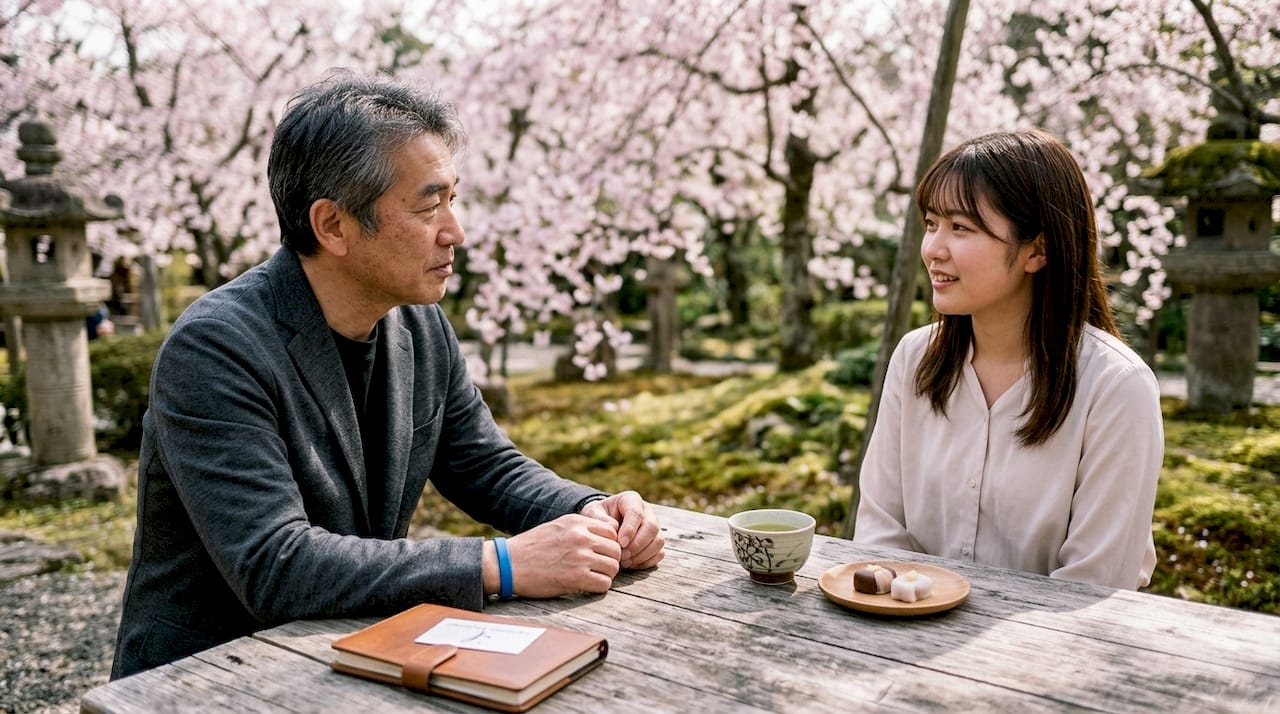
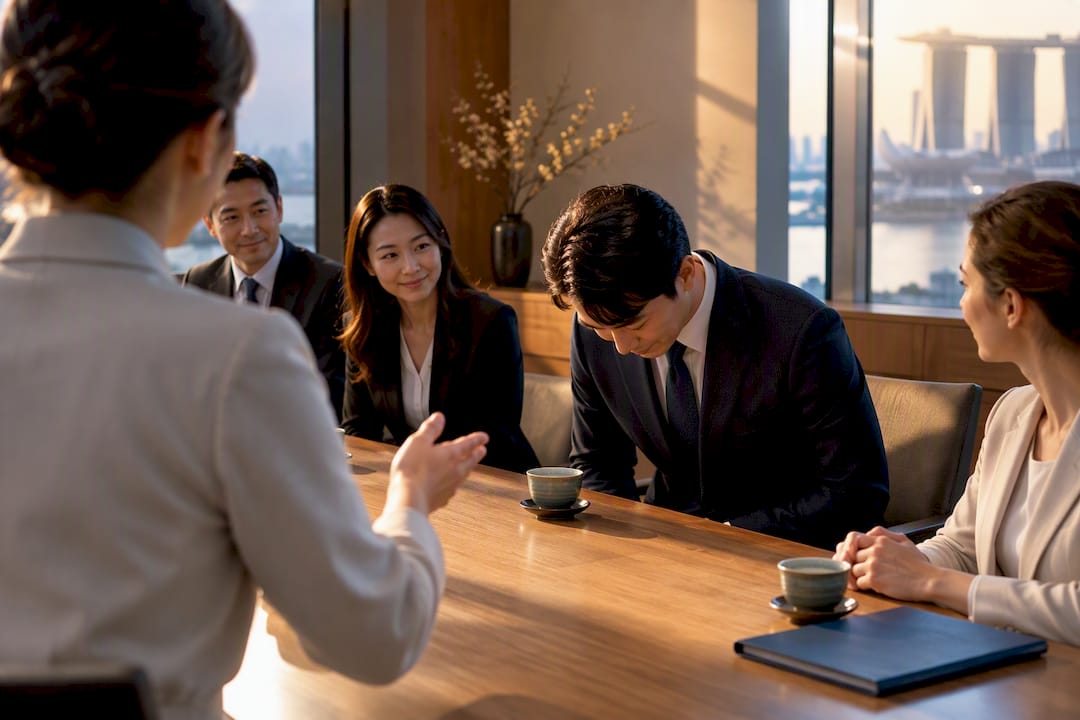
Hierarchy shapes language at every level. The sempai-kohai relationship dictates which vocabulary, verb forms, and politeness levels are appropriate in any given interaction. Speaking to a senior colleague requires keigo (formal honorific language), while speaking to a peer allows a more casual register. Getting this wrong does not just sound grammatically off. It signals a lack of social awareness, which carries real consequences in professional and academic settings.
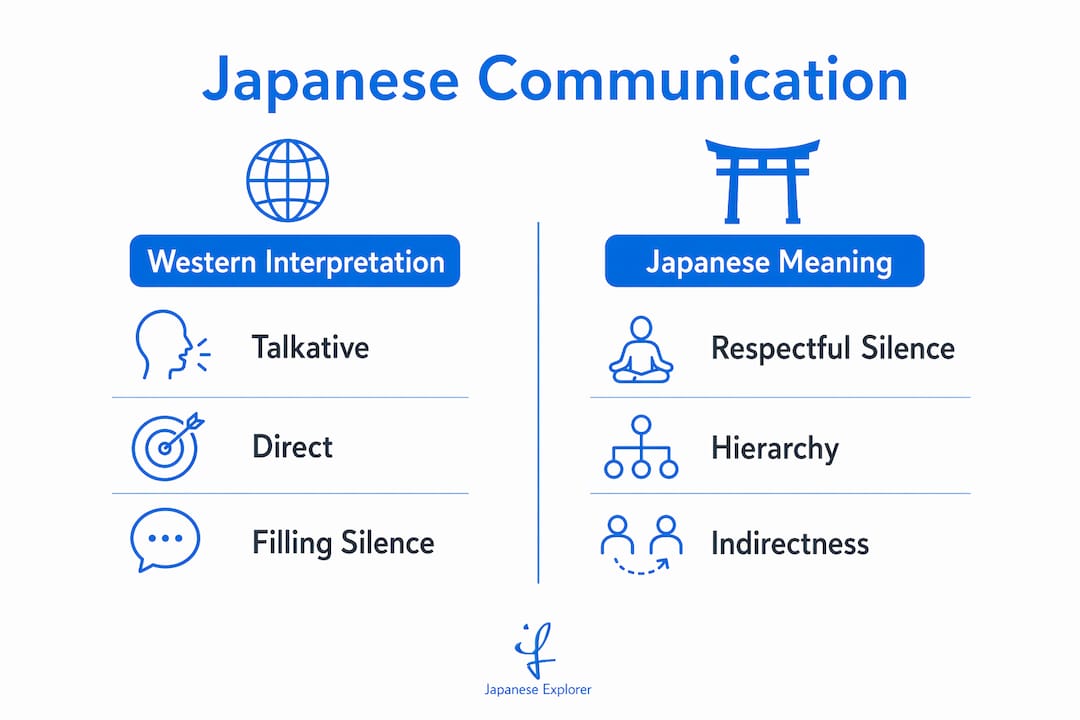
Indirectness is another defining feature. Japanese communication often conveys meaning through context, tone, and implication rather than explicit statements. A direct “no” is rare. Instead, a long pause, a vague “it might be difficult,” or a change of subject signals refusal. Learners developing intercultural competence often report uncertainty when interpreting these signals, which is a normal stage of cultural adjustment. The goal is to recognize these patterns and respond appropriately rather than forcing a Western conversational framework onto a Japanese exchange.
| Communication pattern | Western interpretation | Japanese meaning |
|---|---|---|
| Prolonged silence | Confusion or discomfort | Respect and thoughtful consideration |
| Vague or indirect refusal | Unclear answer | Polite “no” |
| Minimal verbal response | Disinterest | Active listening and agreement |
| Formal language with seniors | Overly stiff or distant | Correct social positioning |
Pro Tip: Practice reading silence as information. In your next Japanese conversation, resist the urge to fill a pause immediately. Wait three seconds. You will often find the other person adds something meaningful, or the silence itself communicates understanding.
For a deeper look at how practical communication skills translate into real-world fluency, the cultural layer is always present.
What are the challenges and benefits of integrating culture into Japanese instruction?
The biggest structural problem in Japanese language education is that many beginner textbooks focus on grammar without interactive cultural activities. Research confirms that role-playing exercises and cultural comparison activities appear rarely in standard beginner-level texts. This limits intercultural competence development at the exact stage when learners are most impressionable.
The good news is that alternative approaches produce measurable results. Here are four methods that effectively integrate culture into language instruction:
- Project-based learning (PBL) rooted in Japanese tradition. Culture-based PBL courses show significant improvement in critical thinking and future-oriented problem solving. Learners engage with real cultural topics, such as the tea ceremony, seasonal festivals, or corporate etiquette, and produce language-driven projects around them.
- Translation-integrated instruction. A four-dimensional model combining language, culture, context, and translation improves motivation and reduces errors. Learners who translate culturally loaded texts develop both linguistic precision and ethical awareness about meaning.
- Role-play and real-life simulation. Practicing a job interview, a business dinner, or a formal introduction in a structured classroom setting builds the muscle memory for cultural behavior. The language and the social script reinforce each other.
- Native teacher instruction. Instructors who grew up within Japanese culture model communication patterns that textbooks cannot replicate. They correct not just grammar but tone, timing, and social register. You can learn more about why native teacher instruction produces this kind of depth.
The benefits of culturally integrated instruction extend beyond language skill. Cultural literacy transforms learners into professionals capable of navigating complex social situations with ethical awareness. That is a different outcome from grammar mastery alone. It is the difference between translating a sentence correctly and knowing when and how to say it.
Traditional teacher-centered pedagogy also plays a role. Japanese educational norms emphasize harmony, respect, and restrained verbal participation. Learners who understand this context interpret classroom dynamics more accurately and adapt their own behavior accordingly.
How can you practically incorporate Japanese cultural insights to improve fluency?
Cultural knowledge becomes useful only when it changes how you communicate. Here are the most effective ways to put cultural understanding into practice:
- Learn keigo systematically. Honorific language is not just polite vocabulary. It reflects your understanding of social relationships. Start with the most common formal verb forms and practice them in realistic scenarios, such as speaking to a manager or a customer.
- Use silence strategically. Before responding in Japanese, pause briefly. This signals thoughtfulness rather than hesitation. It also gives you a moment to choose the right register and vocabulary.
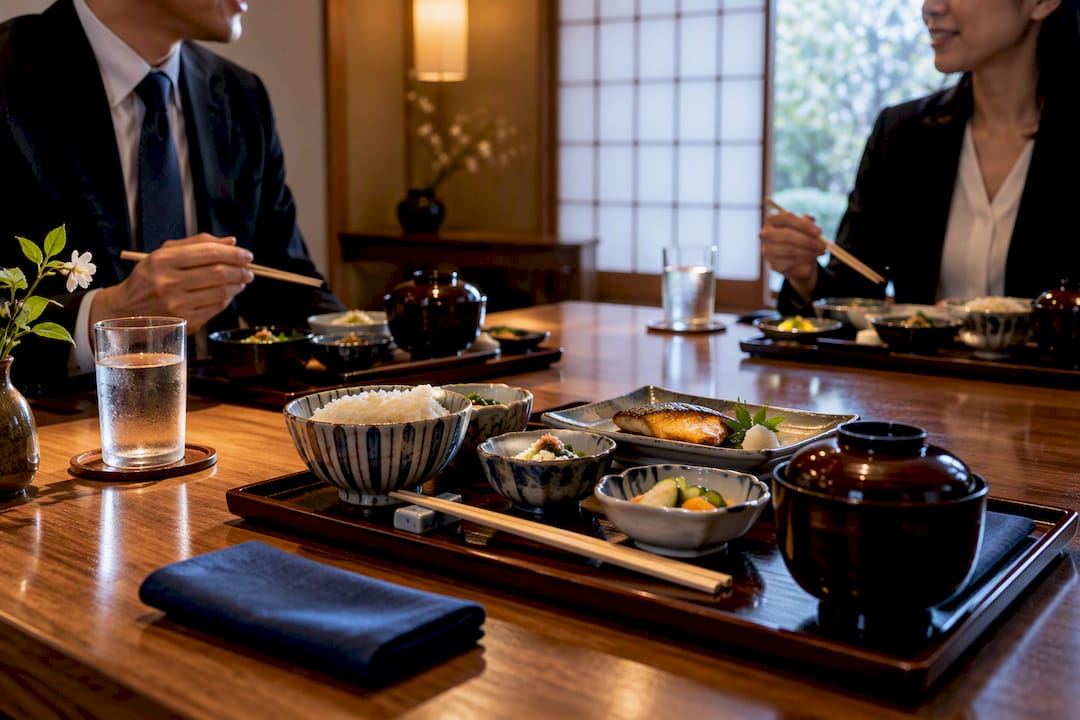
- Watch Japanese media with cultural intent. Notice how characters speak differently to seniors versus peers. Pay attention to what is left unsaid. Observe bowing, gift-giving, and meal etiquette as cultural data points.
- Practice with role-play. Simulate real scenarios: a first meeting with a Japanese business contact, ordering at a restaurant, or apologizing for a mistake at work. Each scenario carries specific cultural scripts that reinforce language use.
- Develop cultural curiosity. Approach unfamiliar customs as information rather than obstacles. Ask why a practice exists. Understanding the reasoning behind a custom, such as why business cards are presented and received with two hands, makes the associated language far more memorable.
Pro Tip: Keep a “cultural observation journal.” Each week, write down one Japanese cultural norm you encountered through media, conversation, or study. Then write one sentence in Japanese that reflects that norm. Over three months, you will build a personal cultural reference that no textbook provides.
Connecting professional development goals to cultural fluency accelerates progress. Learners who study Japanese for career reasons tend to engage more deeply with cultural norms because the stakes are concrete and immediate.
Key Takeaways
Cultural fluency in Japanese is not a supplement to language study. It is the mechanism that makes language study work.
| Point | Details |
|---|---|
| Culture shapes communication | Silence, hierarchy, and indirectness carry meaning that grammar rules alone cannot explain. |
| Motivation evolves | Initial cultural interest must connect to practical goals to sustain long-term engagement. |
| Textbooks have limits | Most beginner texts lack interactive cultural activities, so learners must seek supplementary methods. |
| Keigo is non-negotiable | Mastering honorific language requires understanding the sempai-kohai social structure, not just vocabulary lists. |
| Cultural literacy builds careers | Learners who integrate cultural context become professionals capable of navigating complex Japanese social situations. |
Why cultural fluency changed how I think about language learning
I spent years watching learners hit a frustrating ceiling. Their grammar was solid. Their vocabulary was growing. But something was off in their actual conversations with Japanese speakers. The pauses felt wrong. The politeness levels were inconsistent. They were technically correct but socially misaligned.
The turning point for most of them was not a new grammar textbook. It was a shift in how they understood silence and hierarchy. Once a learner genuinely grasps that a quiet pause from a Japanese colleague is a sign of respect rather than confusion, their entire conversational posture changes. They stop rushing to fill space. They start listening differently.
What I find most overlooked is the ethical dimension of cultural literacy. Knowing when not to speak, how to defer appropriately, and how to express disagreement without causing loss of face are skills that go far beyond language. They reflect genuine respect for another person’s cultural framework. Learners who develop this awareness do not just communicate better in Japanese. They become more thoughtful communicators in every language.
The learners who struggle most are those who treat culture as decoration. They learn a few customs for novelty and then return to their native communication habits. The learners who thrive are those who let cultural understanding reshape how they think about communication itself. That is a harder ask, but it is the one that actually produces fluency.
— Paul
Japanese Explorer: where culture and language come together
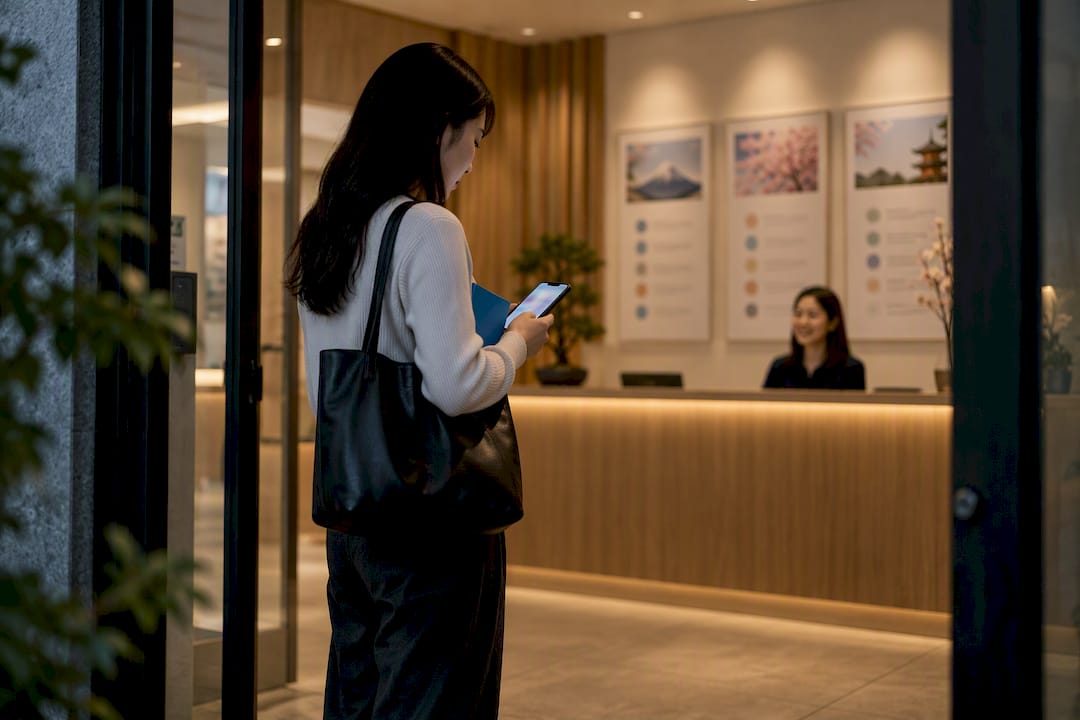
Japanese Explorer builds cultural understanding directly into every course, from beginner conversational classes to advanced business and corporate training. If you are an adult learner in Singapore looking to move beyond grammar drills and into real communicative competence, the courses here are designed for exactly that.
The small group Japanese classes integrate cultural scenarios, role-play, and real-world communication practice with certified bilingual instructors. For professionals, the business Japanese courses focus on keigo, workplace hierarchy, and the cultural communication skills that matter in Japanese corporate settings. Flexible online options are also available for learners who prefer to study from home. Reach out to Japanese Explorer at 10 Anson Road, Level 22, International Plaza, Singapore 079903, right above Tanjong Pagar MRT.
FAQ
What is the role of culture in Japanese learning?
Culture defines how Japanese communication works, including silence, hierarchy, and indirectness. Without cultural context, learners can produce grammatically correct sentences that still fail to communicate effectively.
Why does silence matter so much in Japanese communication?
Silence in Japanese contexts signals respect and careful thought, not disengagement. Western learners who misread silence as confusion often over-talk and disrupt the natural flow of Japanese conversation.
What is keigo and why do learners need it?
Keigo is the formal honorific register of Japanese used with seniors, clients, and strangers. Mastering it requires understanding the sempai-kohai social hierarchy, not just memorizing polite verb forms.
How does cultural immersion improve Japanese fluency?
Cultural immersion gives learners access to the social scripts, communication patterns, and contextual cues that textbooks rarely teach. Learners who engage with Japanese media, role-play, and native speakers develop faster and more natural fluency.
Do beginner Japanese textbooks teach enough culture?
Research shows that most beginner-level Japanese textbooks include very few interactive cultural activities or role-playing exercises. Learners benefit from supplementing standard texts with culturally focused instruction and real-world practice.