One of the good things about the learning environment when you are older is that you can broaden your horizons and learn something new without committing to a strict regimen. For instance, taking Japanese courses in Singapore is not only fun but also challenging and fulfilling.
Like every other productive and educational hobby, preserving the knowledge one learns can be rather tough. Studying Japanese is no exception to this. Thus, in this article, we will explore how you can retain the things you already studied and, as a result, make future lessons a breeze.
1. Make sure to know the fundamental basics by heart
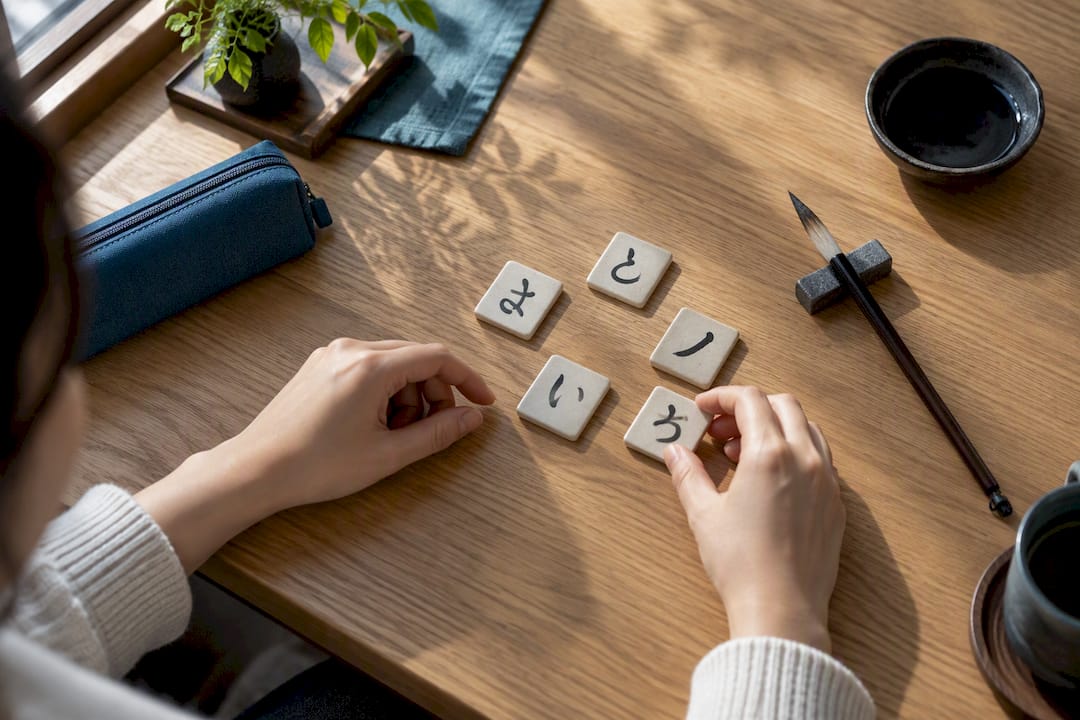
Nailing down the basics of a language’s writing system is vital to progression. The first thing that people usually get acquainted with when starting to learn Japanese is its writing systems, namely: hiragana, katakana, romaji, and kanji.
As you may already be familiar with, hiragana is the basic alphabet for Japanese words, whilst katakana is primarily used for loan words and Western words. From their stroke order to individual pronunciation, learning these first two by heart is necessary since they serve as the foundation for future lessons, such as the initially intimidating kanji.
Next up is romaji. Romaji means roman letters, and its the romanisation of the Japanese language, primarily hiragana and katakana. Learning the former two usually goes hand in hand with learning romaji, so you don’t need to worry too much about this system.
Lastly, learning kanji is a whole other challenge in and of itself. Due to its difficulty for most people, several learning guides have been created to make the approach less daunting and make the entire learning experience much more fun and enjoyable. You can search and try the ones you like if you’re self-studying, but if you’re taking a Japanese learning course, it’s best to wait until your teacher gets around to it.
2. Practice what you’ve been learning
Some people may be enamoured with learning the Japanese writing systems, while others may prefer heading straight towards the conversational aspect. No matter what kind of learner you may be, strengthening your grasp of the language is a must to advance further.
Thus, if you’ve been focusing on the writing aspect, then put yourself to the test and try to remember the stroke order of the characters you recently studied. Conversely, if you’ve been putting effort into your spoken abilities, challenge yourself by conversing with a fellow student or, if possible, with a native speaker that’s willing to help you out.
Practising the language at least once or twice every week is a good start. Akin to exercise, increasing the frequency of practice is much needed to further solidify one’s learning. You can also use the Japanese language flashcards to study specific phrases and memorise the essential grammar concepts.
3. Explore further and experience the language through fun
Once you have solidified your understanding of Japanese fundamentals, you can try several exercises such as reading various Japanese media, be it online articles, magazines, or manga. Whichever you prefer, reading Japanese exposes you to new words, phrases, and sentence structures that will help strengthen your skills in the language.
Apart from reading exercises, you can also do listening and comprehension exercises by watching Japanese movies or exploring anime. The good thing about these media is that they incorporate a wider range of terms, including those that are considered slang. And with technology, you can activate the subtitles in the language you understand best to help speed up your comprehension.
Conclusion
The Japanese language has its challenges, especially its kanji system. Still, once you’re several months into your learning journey, you may realise that it is relatively easier than English, notably when it comes to its grammar concepts. And with the help of tips like the ones mentioned above, you’re certain to reach your desired proficiency level in no time.
If you’ve been long interested in Japanese culture and want to take it to the next step, then come and enrol in our Japanese classes in Singapore! At Japanese Explorer, we offer both online and offline classes taught by professionally-trained, native Japanese teachers who are determined to take you through all aspects of the language. No matter your schedule, interest, and budget, we will find out the best way for you to enjoy learning this wonderful language and guarantee you a premier Japanese learning experience.