With the growing demand for foreign languages proficiency and the influence Japan has on the world in terms of business and commerce, the Japanese language has easily become one the most spoken languages in the world.
Since Japan is a hegemonic country, the biggest community that speaks Japanese is the Japanese natives themselves. Unlike popular opinion, it is not to say that they too have a flawless grasp in the language – though, their proficiency is undoubtedly better than most. Similar to several of us who struggle with our native tongue, they also have difficulty learning Japanese.
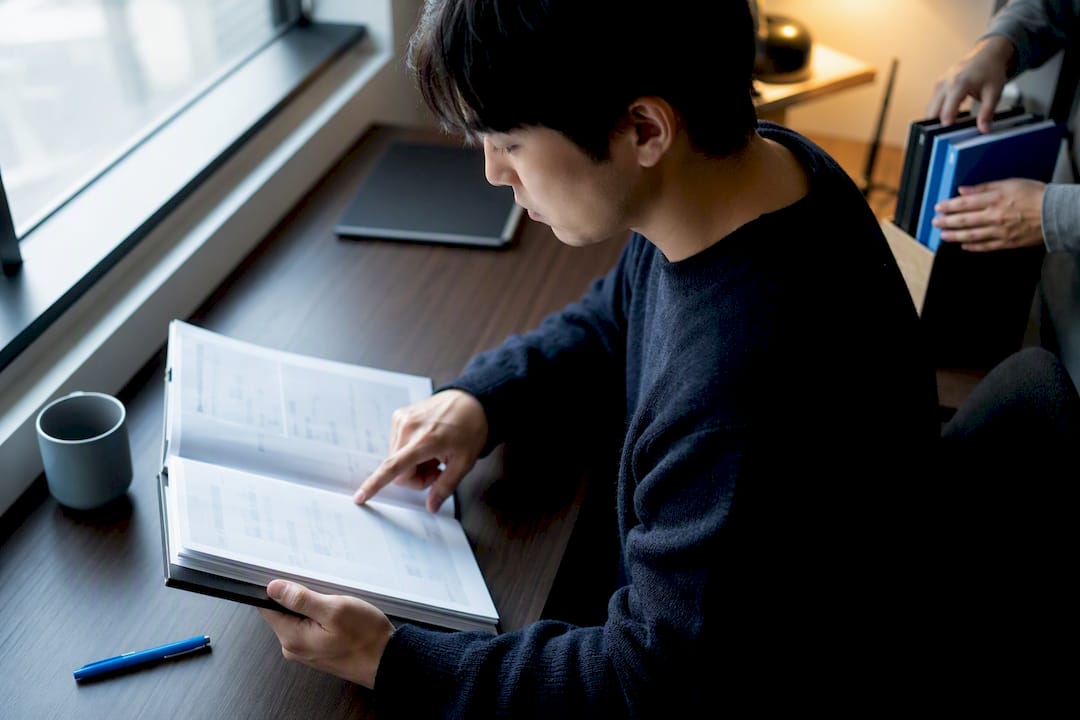
As with many languages, it’s a challenge to pick up. Discover why the Japanese language is regarded as one of the hardest languages and despite all of these aspects, is still one of the more popular foreign languages to learn.
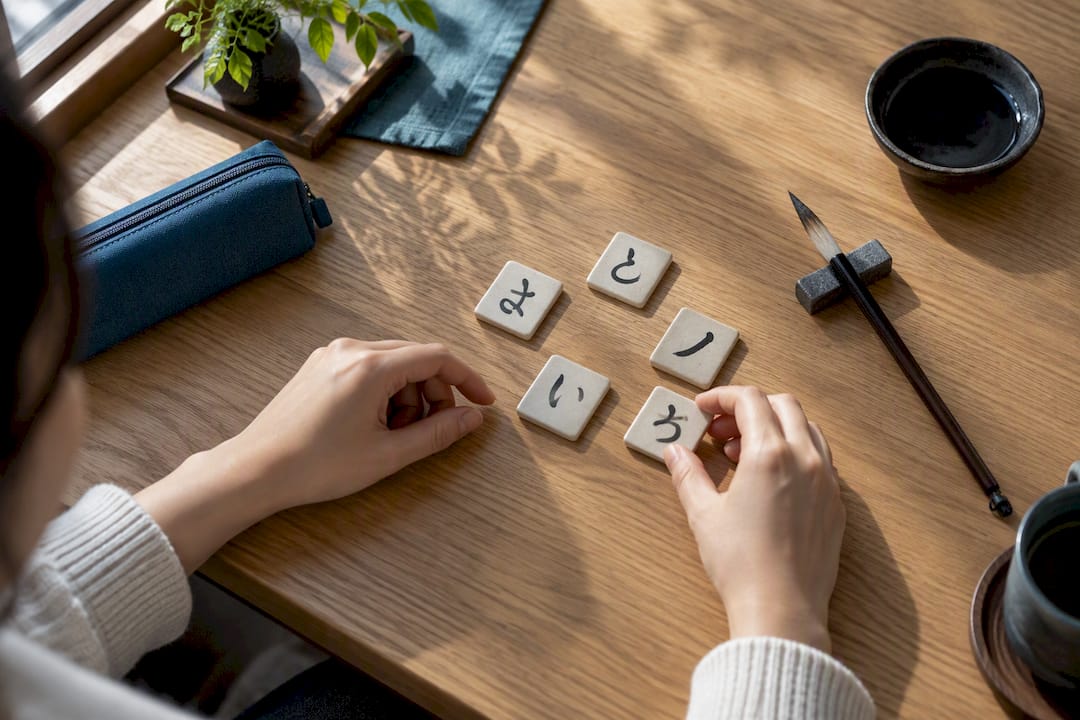
Its Writing System
It is said that speaking a language is more natural than writing it. This is especially the case for a language that has its own writing script, different to that of the Latin alphabets. What makes Japanese even more complicated is the fact that it has not 1, but 3 writing scripts: Kanji, Hiragana and Katakana.
Kanji is a writing script that borrows Chinese characters imbued with Japanese meaning and context. As opposed to Hiragana, which is a phonetic lettering system, Kanji can get confusing really fast. Whilst it is ultimately much more difficult, seeing as how each character represents its own meaning, learning Kanji will be greatly beneficial as it’s heavily utilised in both formal and informal context. You’d find Kanji in newspapers, books and notices. Meanwhile, Katakana is an onomatopoeic writing system for borrowed words from other languages, thus not used as much as the other two scripts. Thus, out of the 3 writing scripts, Kanji is arguably the most important.
The Speed At Which It Is Spoken
Another tricky aspect to the Japanese language is its speed. It’s one of the few mora-timed languages, which means that the rhythmic division of time is broken into equal portions between syllables. Basically, Japanese is spoken at a breakneck pace! In fact, it’s the fastest recorded language, with a rate of 7.84 syllables per second. Thus, it may seem rather intimidating, especially to beginners. However, don’t fret! With enough practice, you’d slowly acclimate to the speed, and registering will be more comfortable!
The Language Has 3 Polite Levels
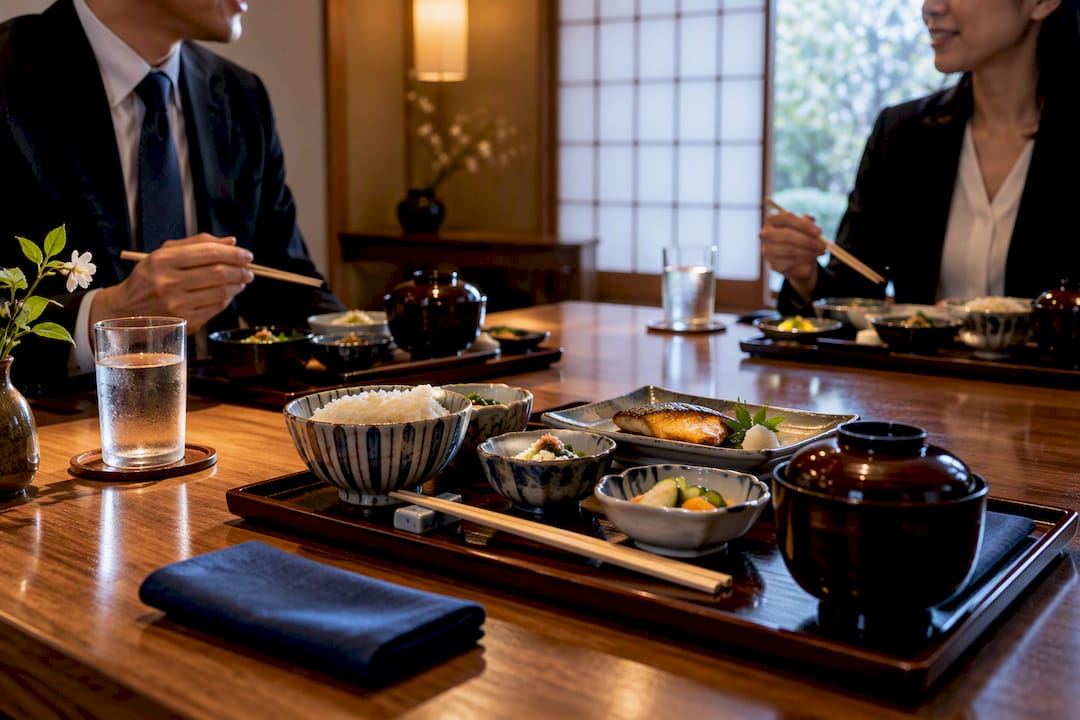
Another complex layer is its 3 primary politeness levels: plain form (kudaketa), simple polite form (teinei) and lastly, the advanced polite form (keigo). The politeness level will depend on 3 things: the recipient, your relationship with that recipient and the societal setting. Since Japanese society is a heavily hierarchal society, politeness is crucial lest you offend somebody without meaning to. As a basic rule of thumb, utilise either teinei to anybody senior to you and keigo, if you’re in a formal social setting.
Conclusion
With all these characteristics, the Japanese language sounds intimidating to a beginner. However, picking up Japanese is not only exciting but also beneficial. Not only will you learn a new skill set, but you’d also open yourself up for new opportunities, especially now when Japan has a big influence in the global market.
Due to the current pandemic and the extension of circuit breaker measures, learning the Japanese language in a physical space one-to-one. However, you can always enrol in an online Japanese course to keep yourself preoccupied during this circuit breaker period. As you learn a new skill, do remember to maintain good personal hygiene so that we can flatten the curve as fast possible.