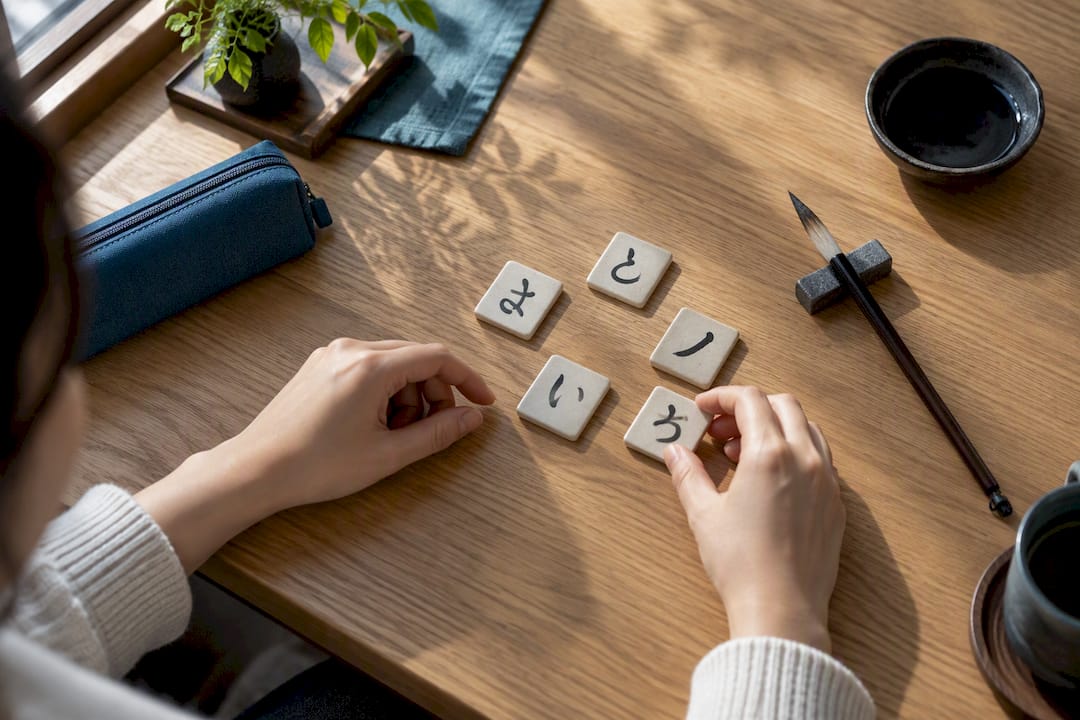
Environment plays an essential factor when it comes to language learning especially in young children. Here are some of the environmental contributors to language learning.
Radio or CD Player
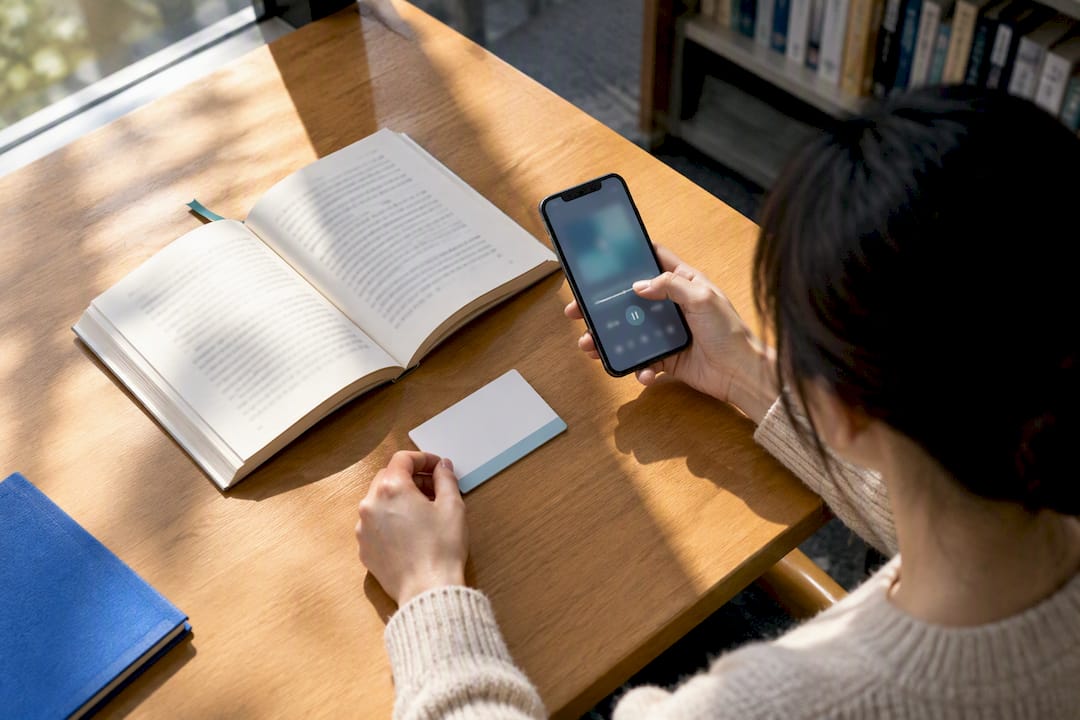
Listening is a powerful way to learn. Luckily, the Internet provides a huge number of opportunities to listen to various languages. Be it a “how-to” video, a university lecture or a political speech, listening to an online speech in the foreign language will help you learn. Avoid learning from a handbook, because it will hinder your learning. Use fun methods to learn a new language: chat with native speakers; speak with native speakers on Skype and so on. Make it fun!
Podcasts are also a fantastic way to enhance your listening and speaking skills if you don’t have much time. Download and upload some interesting podcasts on your cell phone or MP3 player and listen to them while jogging or waiting in a line. Watching movies is a fun way to develop your language skills.
Watch movies with subtitles if you are a novice. Try and not look up any words – and see if you can guess their meaning. Also, locate some great songs in your target language, find lyrics to them and sing along. You can listen to these songs on YouTube.
Enrol in a Class
Class Attendance is mandatory and necessary to pass the course and learn the language. Some language institutes and universities will try to achieve this in their foreign language learning programs by employing various “artificial” means to do so. The conventional way to do it is by enrolling in a language class at a university, community college or some other reputable institution that offers language courses, for example, Japanese class in Singapore which will offer the best studies and professional teachers.
Many foreign language tutors and teachers acknowledge that immersion is a great way to learn a foreign language. Why? Immersion courses in the country that the language is spoken are very valued because students have to use the language beyond the class as well as in it.
It is also an advantage to work with a professional language teacher and learn in the company of classmates, providing you with the opportunity to interact with them and fine-tune your conversational skills. There are usually cheap options in finding a class that teaches second languages.
A significant drawback is that many people struggle to learn in a group setting. It isn’t set up for that individual one-on-one learning style that most people prefer. If you are a real self-motivator, then this may be a good option for you. For those that want private teaching, hiring a tutor is the way to go.
Travel
This is supposedly the most effective way to learn a new language. If you are going to a foreign country and the language there is different from your native tongue, it would be best to try and learn the foreign language, even before you set your foot there. You would be able to communicate better with the locals, and it will lessen the chance of getting lost.
Yes, many people speak English all over the world, but it doesn’t mean that there’s no point in learning the local language. Okay, but how to move to a new place? For a student, you can ask at your college about international student exchange. You can also volunteer. You can find a job in a new place. You can work remotely. Thanks to this, you will be forced to speak in your new language.
Summary
One of the excellent ways to stimulate improvement in foreign language learning is to immerse yourself in that language environment. Several types of research have proven that students knowing multiple languages are much better performers than their monolingual friends. The reading ability of a bilingual student is far much better than the student with the knowledge of only one language.