As opposed to vocabulary and kanji, which you can learn through sheer repetition, Japanese grammar is always quite beast to tame. It involves rules and exemptions, and denotations that are sometimes simply not translatable. Words seem weird and reading the alphabet that you’ve never come across before may feel like an intimidating task. However, the truth is that learning Japanese grammar is very rewarding if you keep at it.
Grammar represents the big picture or blueprint of the Japanese language. Devoid of the big picture, the different constituents of the language may seem disconnected and overwhelming. Internalising these grammatical rules increases your prospects of speaking fluently and naturally.
While all this may sound quite good, it begs the question: what’s the ideal way to learn Japanese grammar? Read on for more insight.
Begin with Hiragana and Katakana
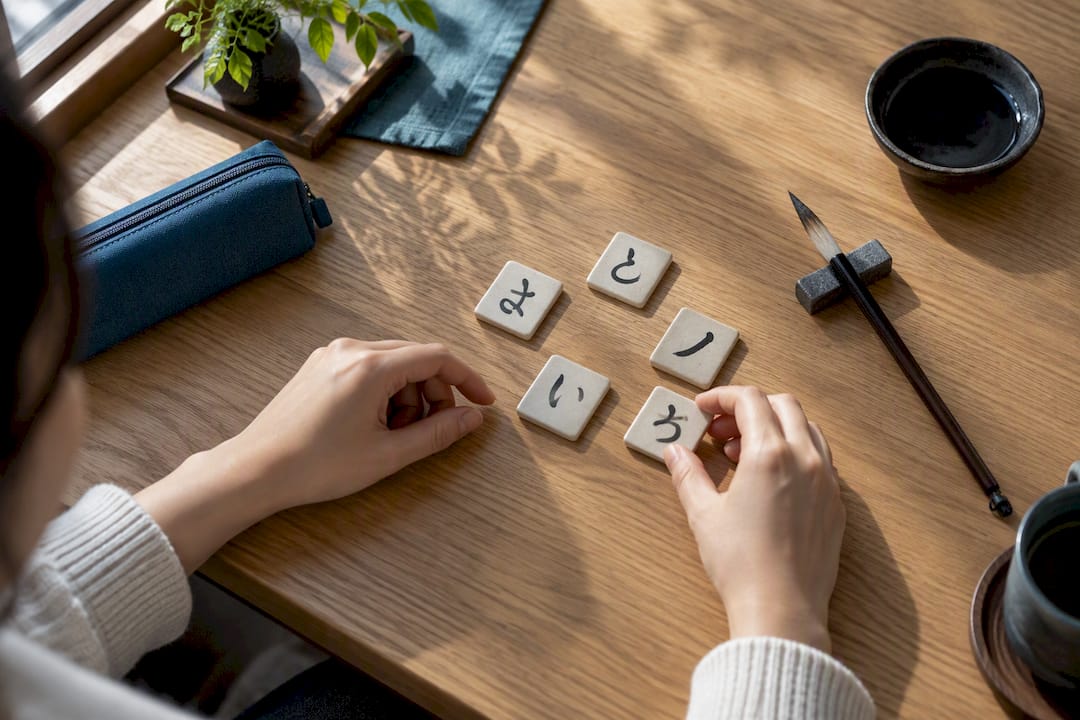
This is the first step when learning Japanese grammar. Hiragana is basically the Japanese alphabet. It is made up of fifty-one phonetic characters, with each character representing a specific sound. This differs from English where one letter might sound different in various contexts. By learning Hiragana, you’ll be able to pronounce any Japanese word. Additionally, you also need to learn a bit of Katakana. These are a series of characters representing non-Japanese words like the internet or hot dog.
Get a Japanese Grammar Textbook
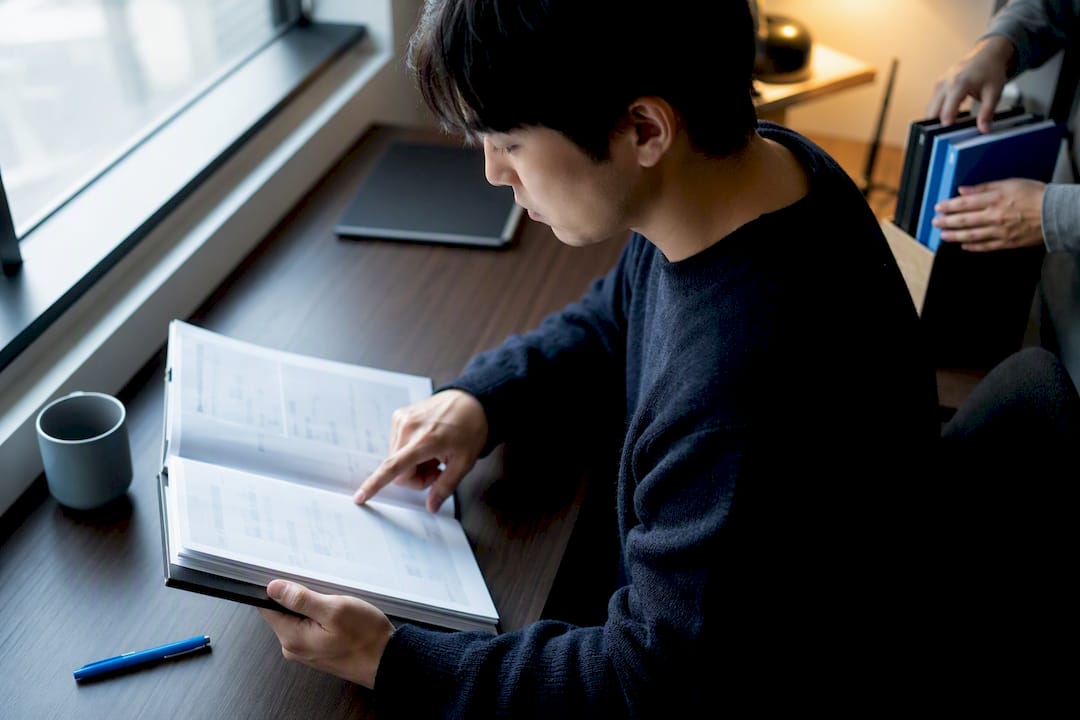
To improve your Japanese grammar, get a comprehensive grammar book. A good textbook choice for beginners is Japanese from Zero series. It basically does what it promises on the title cover-transforming you from a beginner to a level where you can confidently use Japanese and learn more complex materials.
After finishing the aforementioned entry-level textbook, you can proceed to an intermediate textbook like Tobira. This type of textbook introduces you to intermediate Japanese. You can use it in a Japanese class in Singapore or access it online for self-study purposes.
Enrol in a language class
To effectively learn grammar, enrol for japanese language lessons. With the tutelage of a proper instructor, workbooks, lesson plans, and most importantly, other students to practice with, Japanese language courses are ideal to sign up for.
Practice speaking
You need to practice using Japanese with other. Languages are avenues of communication. The best way to learn Japanese is by talking with other people. Tapes may be helpful, but beginning from tapes can be lonesome and disheartening. After all, it makes sense to have someone to speak to when learning. Conversations allow you to pick up what grammar to use in different contexts. You can check online for language meeting events or chat with language partners online, although face to face conversations are highly recommended. A classroom set up allows you to meet other students to practice with.
Encountering Japanese language in new ways
Ideally, you need to expose yourself as much as possible to the Japanese language. One way to achieve this is by spending your free time watching tv shows and movies in Japanese. Consequently, you’ll be exposed to a variety of terms and expressions besides providing you with a great avenue to hone your understanding skills.
Another interesting source of knowledge in Japanese newspapers. By reading newspapers and magazines, you’ll learn many new words and expressions. As a matter of fact, reading remains one of the best ways to learn a language. You’ll be able to engage a lot deeper with Japanese grammar.
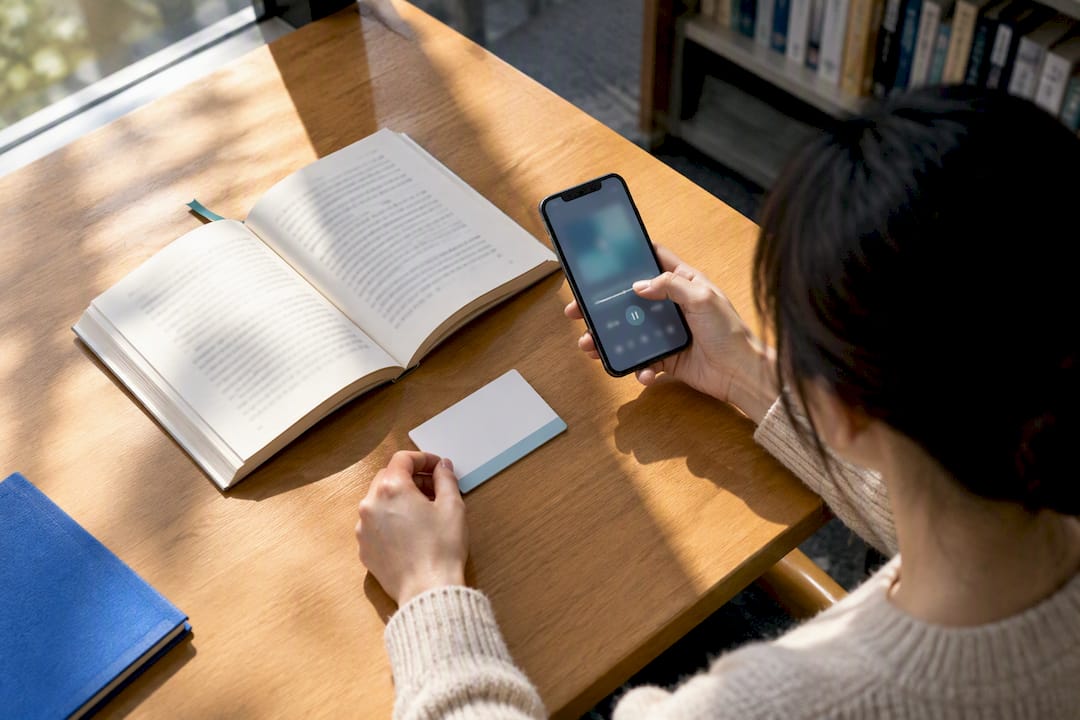
Akin to movies and TV shows, listening to Japanese radio is a great avenue for learning new grammar and practice listening. Look for Japanese music accompanied with lyrics and attempt to sing along. Alternatively, listen to a Japanese radio talk show. Japanese podcasts are also valuable resources for learning Japanese grammar.
Immerse yourself
A great way to learn Japanese grammar is to place yourself in a totally immersive setting. If you can arrange for a trip to Japan, or even spend time with your Japanese friends at their home. You’re more likely to learn the language a lot faster in such an environment. In closing, use the aforementioned different approaches to learn Japanese in Singapore.