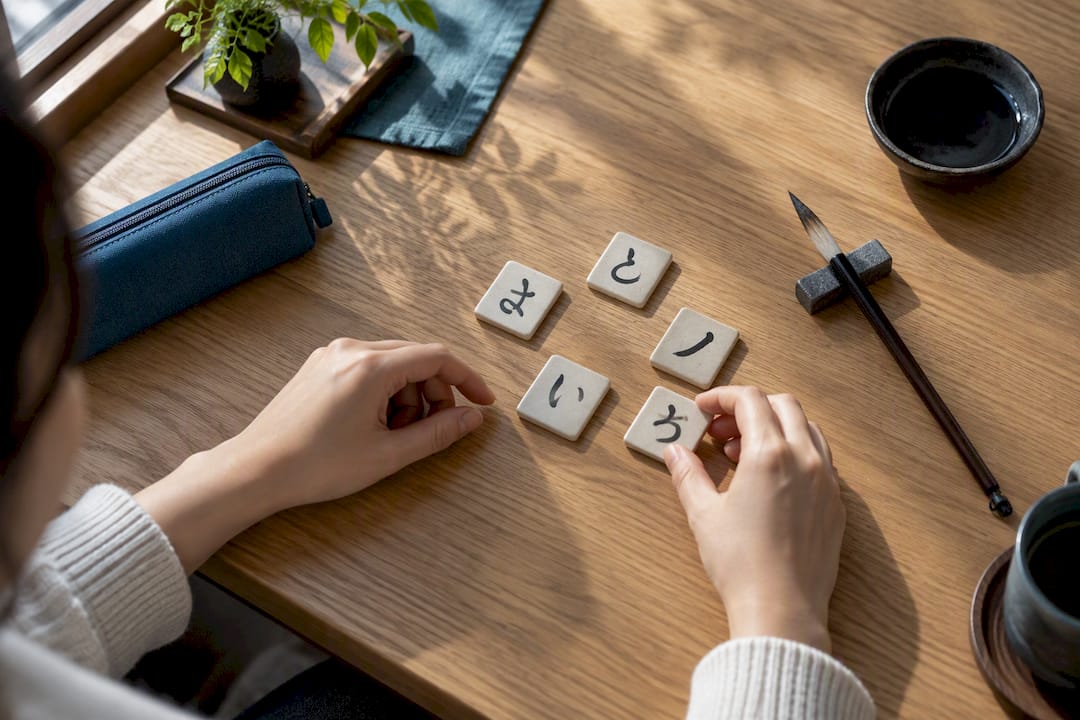
All languages in the world are unique, and the Japanese language is no different. There are many distinct differences that separate one language from the other, and this is known as an attribute of the language. For example, English is one of the most spoken languages in the world. It has its own attributes that people want to learn more about and pushes them to improve on how they communicate in English.
The Japanese language is considered as one of the very few unique languages remaining in the world, due to it having no direct derivative language coming before it. This makes it an isolated language with no relation to other languages, similar to Korean, Sumerian and many other Native American languages. Like every other Asian language, the Japanese language was created to reflect the country’s traditions and cultures, as well as the life of its citizens. Every word in the Japanese language was formed out of an occurrence or a belief.
If you have decided to pick up learning Japanese, then these are the major attributes you should know to learn the unique Asian language!
1. It Portrays Respect
Respect is extremely important in the Japanese culture, and this can be shown through the language used and the respect given. For example, the different forms of expression, respect, morals and actions are all based entirely upon the age of the speaker and the listener.
If the conversation is taking place between an elderly and a young adult, polite words and expressions are used much more commonly to portray respect for the older individual. This applies to business meetings and formal events as well. With the importance of respect in Japan, it is important that you pick up words that express politeness and improve your relationships with your seniors!
2. Keeping Up With Trends
Japan is one of few countries in the world that keeps up with style for new trends, food and fashion. While such things may come and go in other countries, many Japanese keep up with trends that change every day. This is the same for their vocabulary and adopting new words into their daily life.
Keeping up with such trends, slang and expressions are essential when it comes to establishing a smooth flow of communication in the Japanese language.
3. Difference In Dialect
Dialect is common in countries where there is a giant melting pot of cultures and tradition, and Japan is no different. Languages vary in a country through the separated regions, while dialects vary by accent and other factors. For example, the English language has both British English and American English, while in Japanese, there is Kantoben, Kansi-ben, Tohoku-ben, and Hakata-ben.
People in Japan seek to hide their dialects in the manner that they speak. If you are learning Japanese, understanding the difference in dialect can open up even more ways of communication and understanding in Japan.
4. It Teaches Patience
One of the greatest attributes of the Japanese language has to be the virtue of patience. Languages, in general, put your courage, endurance and patience to the test to see if you are able to learn it truly. The Japanese culture naturally teaches one to put others before themselves, which is an excellent characteristic of being Japanese.
Learning the Japanese language teaches us not only patience in the way we communicate but also in the way we learn and the way we strive to continue learning. If you have decided to improve upon your Japanese learning, then enrolling in the best online Japanese course in Singapore can help you to enhance all the virtues that come along with learning Japanese!