Compare group and one-to-one Japanese lessons by your starting level, the practice you want, the actual timetable and the complete package quote. A group course gives you a shared lesson plan and classmates; private tuition lets you discuss an individual focus and pace. Neither format guarantees a result or unrestricted scheduling.
How do group and one-to-one Japanese lessons compare?
Japanese Explorer publishes both adult group classes and private Japanese lessons. Compare the proposed arrangement rather than treating either label as a promise that it suits everyone.
- Starting point: For a group, check the entry level and shared course outline. For private tuition, explain what you have studied and the topics you need help with. A personal focus does not remove the need for foundations.
- Practice with others: A group offers classmates for activities. One-to-one tuition involves working directly with the teacher. Ask what a typical lesson includes rather than estimating speaking minutes from class size.
- Feedback: In a group, ask how questions and corrections are handled among learners. In private tuition, discuss the areas on which you want individual feedback.
- Timetable: Check the actual group dates and times. For a private arrangement, confirm the proposed schedule and teacher availability before paying.
- Full quote: Compare the number of learners, included lesson hours, materials, registration and any other charges. A package name alone does not establish the cost of reaching your goal.
- Missed lessons: Confirm cancellation, rescheduling and make-up arrangements for the actual package. Private tuition does not automatically allow consequence-free changes.
Which format fits the Japanese you want to use?
Write down a few situations you want to handle: ordering food on a trip, speaking with friends, preparing for an interview or using Japanese at work. Ask how those tasks appear in the proposed lessons. These goals do not require the same format for every learner.
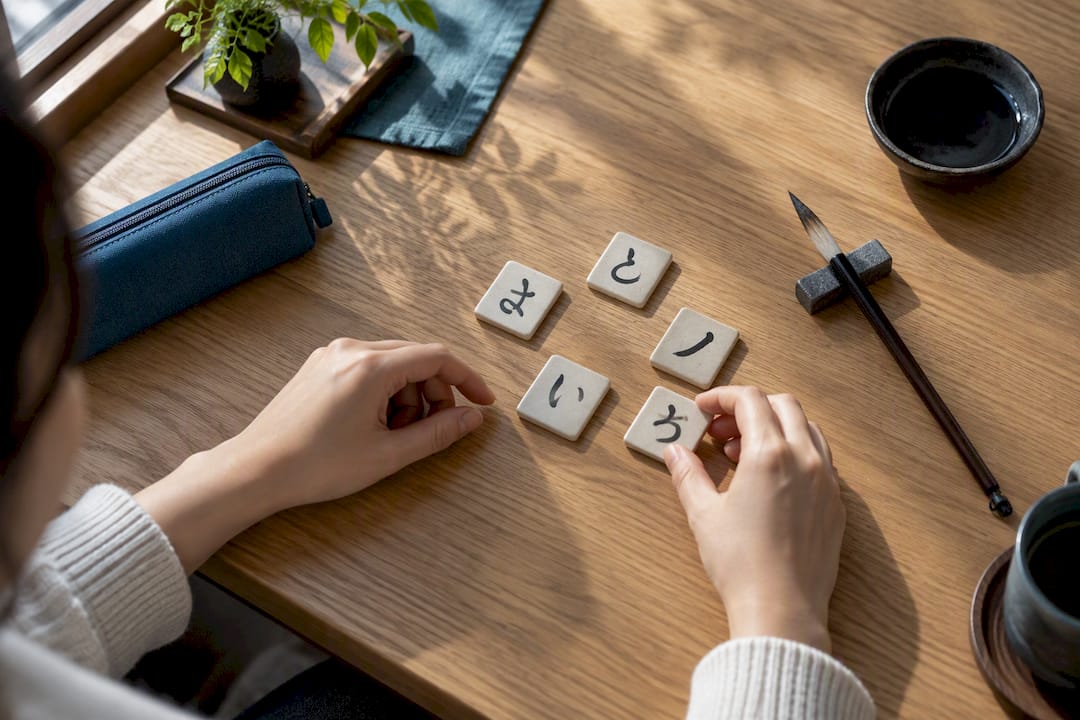
The published group course describes role-play and conversation practice. The private course describes tuition shaped around a learner’s goals and pace. Ask how that applies to the particular level and class you are considering, including listening, reading or writing work that supports your speaking.
If your goal concerns work, the guide to Japanese and business relationships can help you identify situations to discuss with the school. Compare the course outline with the actual vocabulary and interactions you need.
Online or in person is a separate choice
Japanese Explorer also publishes an online Japanese course. Confirm whether the arrangement you are considering is group or private, which level it covers and how it is delivered. Online study can avoid a journey, but it still needs a suitable lesson time, connection and place where you can speak.
Questions to confirm before you book
- What can I already read, understand and say in Japanese? If I have studied before, would the placement test help the school suggest a starting point?
- Which conversations, work tasks or examination goals do I want to practise?
- What happens during a typical lesson, and how will I receive feedback?
- Can I attend the actual proposed dates and times regularly?
- What lesson hours and charges are included in the complete quote?
- What are the missed-lesson, cancellation and rescheduling terms for this package?
Read the published paid-trial information if you want to explore a class before enrolling. Confirm which arrangement the trial covers; do not assume it includes a private lesson or that its fee is credited to another package.
Compare the published options with your own brief
Use the Japanese courses in Singapore overview to compare the available routes, then read the group or private course details. Share your goal, study history and available times through the school contact page. Confirm the current class venue, format, timetable and quote before booking.
The useful choice is an arrangement you understand and can attend consistently. Keep your own goal and starting point in view when you compare Japanese classes in Singapore.