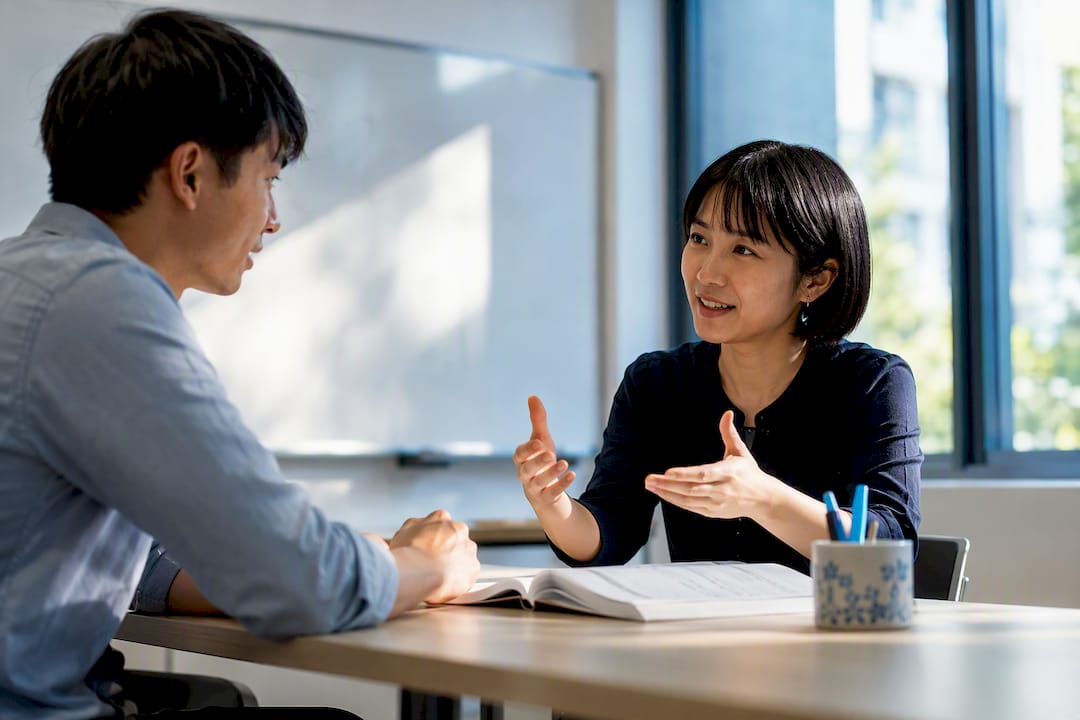
Are you that awkward person at social events that keep you from getting into a conversation because you are shy or you are not fluent in the second language? You can start a journey of self-improvement by making taking advantage of the many Japanese courses in Singapore.
Excellent social skills are essential in building vibrant and beneficial relationships; it gives you an opportunity to express yourself freely while in the public space. The good thing about being social is that you only need to practice by doing all or any of the following:
Learn How to Initiate a Conversation
A good way to initiate a conversation in your second language is to talk about simple things such as the weather or food. In this way, you can get into a discussion that is light while also practising the language. Do this often enough, and soon you’ll be able to initiate a conversation seamlessly.
Be a Part of the Conversations
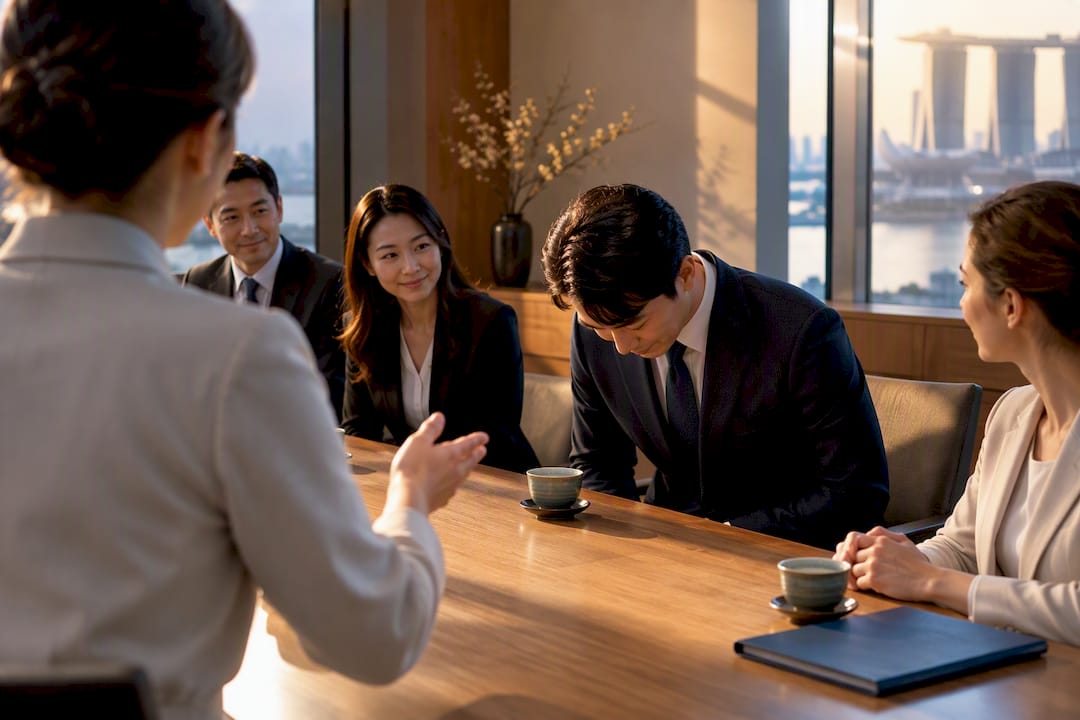
Being bilingual can also have benefits in the workplace. For example, learning business Japanese in Singapore gives you an opportunity to learn how to be part of the entire team by contributing relevant information in the Japanese language that will benefit everyone or the organisation. You can ask about the ideas others have instead of controlling every aspect of a serious meeting.
A good Japanese language school in Singapore should offer an opportunity for you to learn how to use tones when using certain phrases. You have to remember that you do not need to be too soft or too loud when speaking, get the right intonation while maintaining a decent conversational volume.
Avoid Uncomfortable Topics
If you are using a foreign language like the Japanese language, it is essential that you steer away from issues that may invoke some emotions. Such matters include politics, religion, ethnicity, race, etc.
End Conversations with Courtesy
Avoid cutting off people you are holding a discussion with sharply or by walking away. Look for a polite way of ending the discussion. However, if you intend to leave when the debate is still on, give them the impression that you enjoyed the conversation and in a non-offensive way, let them know you are leaving.
Pay Attention to Body Language
Anyone who has ever attended a Japanese course in Singapore will tell you that body language is an integral part of communication. The gestures we use to give more information than what is coming from our words. Look at your posture when you stand or sit, the eye contact you give others and the facial expressions during a typical conversation. These gestures mean different things to people who speak another language.
Observe the Behaviours of People in Social Gatherings
Before you become part of the group, watch what they do to integrate themselves into a conversation and how they do it, and probably try to understand why it is easier for them to interact. Improve on what you see as a good aspect of socialising.
Start Conversations with People Who You See Every day
Ask the cleaning lady how her day is going, thank the secretary for the day’s work or even your colleagues on how they spent their weekend. Such conversations do not mean you delve deep into details or try to be invasive. It is vital that you start small then build on the conversation if the person and environment allow it.