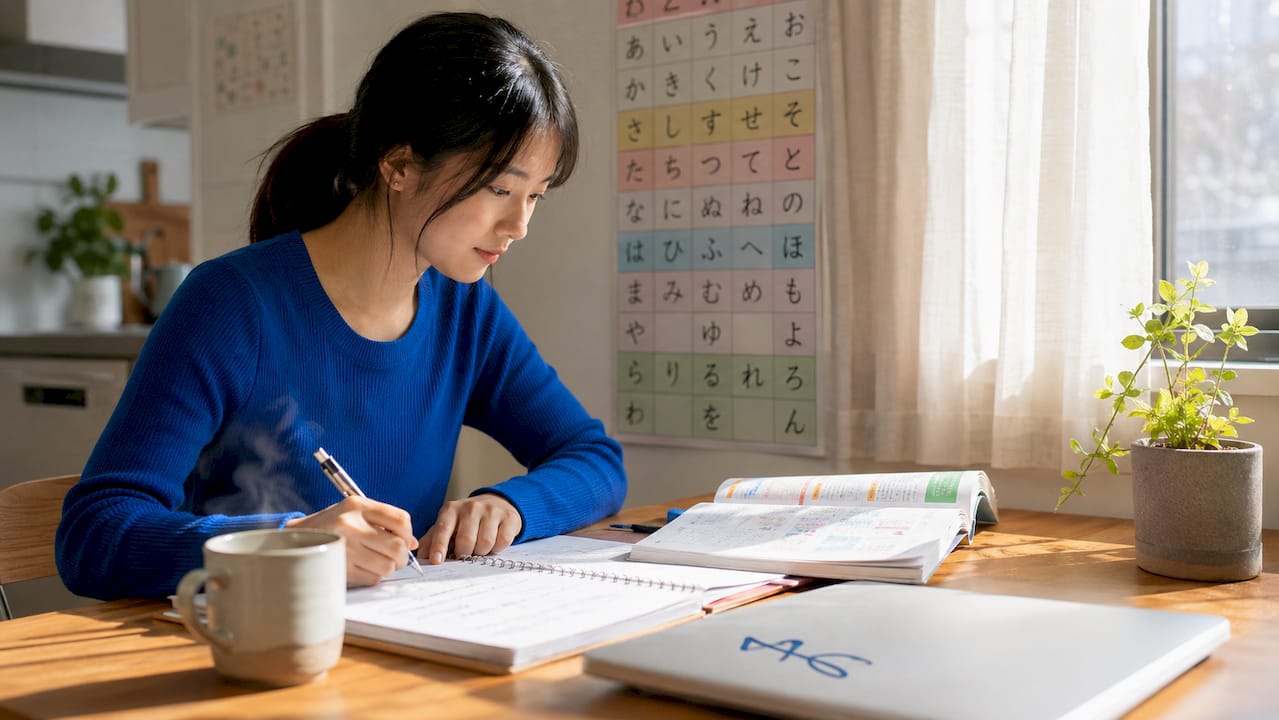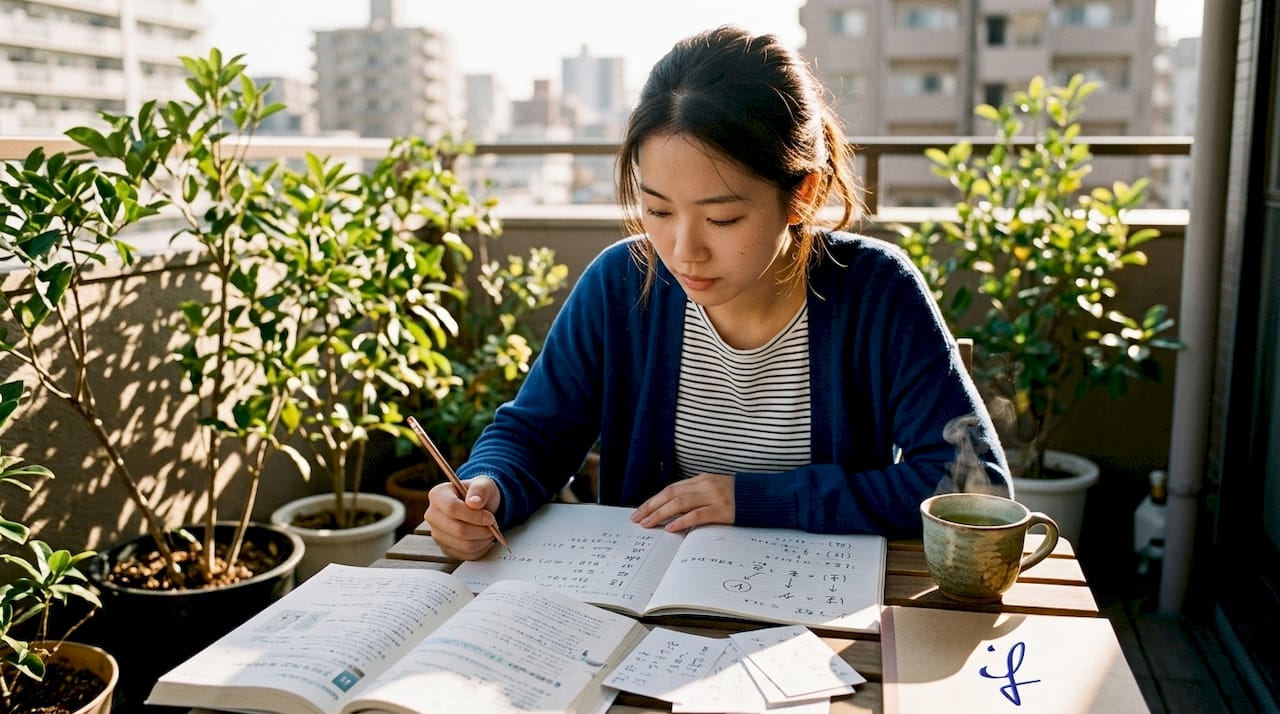

The Japanese language places great emphasis on politeness and respect. A simple greeting carries significant weight in Japanese culture, reflecting social hierarchy and formality. If you’re looking to learn Japanese, understanding how to say good morning in Japanese is a fundamental skill that can help you navigate formal settings, casual conversations, and daily interactions.
The Japanese word for good morning is おはよう (Ohayou) or おはよう ご ざ い ます (Ohayou gozaimasu). There is a big difference between these two forms, and knowing when to use each is crucial. This guide explores their Japanese pronunciation, proper usage, and other common greetings in Japan.
How to Say Good Morning in Japanese
The phrase for good morning in Japanese has two main forms:
Standard and Polite Forms
| Japanese Phrase | Pronunciation | Formality | Usage |
|---|---|---|---|
| おはよう (Ohayou) | Oh-high-yoh | Casual | Used with friends, family members, and young people. |
| おはよう ご ざ い ま す (Ohayou gozaimasu) | Oh-high-yoh go-zai-masu | Formal | Used in formal settings, workplaces, and with teachers or elders. |
- The formal version, おはよう ご ざ い ます, is the proper way to greet someone in professional or respectful situations.
- The casual form, おはよう, is commonly used among close friends, family members, and young people.
If in doubt, using gozaimasu おはよう ご ざ is always a safe option in formal situations.
Pronunciation Guide
Correct Japanese pronunciation ensures clear communication. Here’s how to pronounce these phrases:
- おはよう (Ohayou) → “Oh-high-yoh”
- おはよう ご ざ い ます (Ohayou gozaimasu) → “Oh-high-yoh go-zai-masu”
- The sound of the “u” in おはよう is often silent in fast speech.
- The “gozaimasu” (ご ざ い ます) makes the greeting more polite.
Writing Good Morning in Japanese
Like many common Japanese phrases, good morning can be written in different ways:
| Script | Japanese Writing | Usage |
|---|---|---|
| Hiragana | おはよう / おはよう ご ざ い ます | Most commonly used in daily conversation. |
| Kanji | お早う / お早う ご ざ い ます | Less common, seen in formal documents. |
| Romaji | Ohayou / Ohayou gozaimasu | Helpful for beginners learning Japanese pronunciation. |
For everyday communication, Hiragana is the standard writing style.
When and How to Use おはよう (Ohayou) Correctly
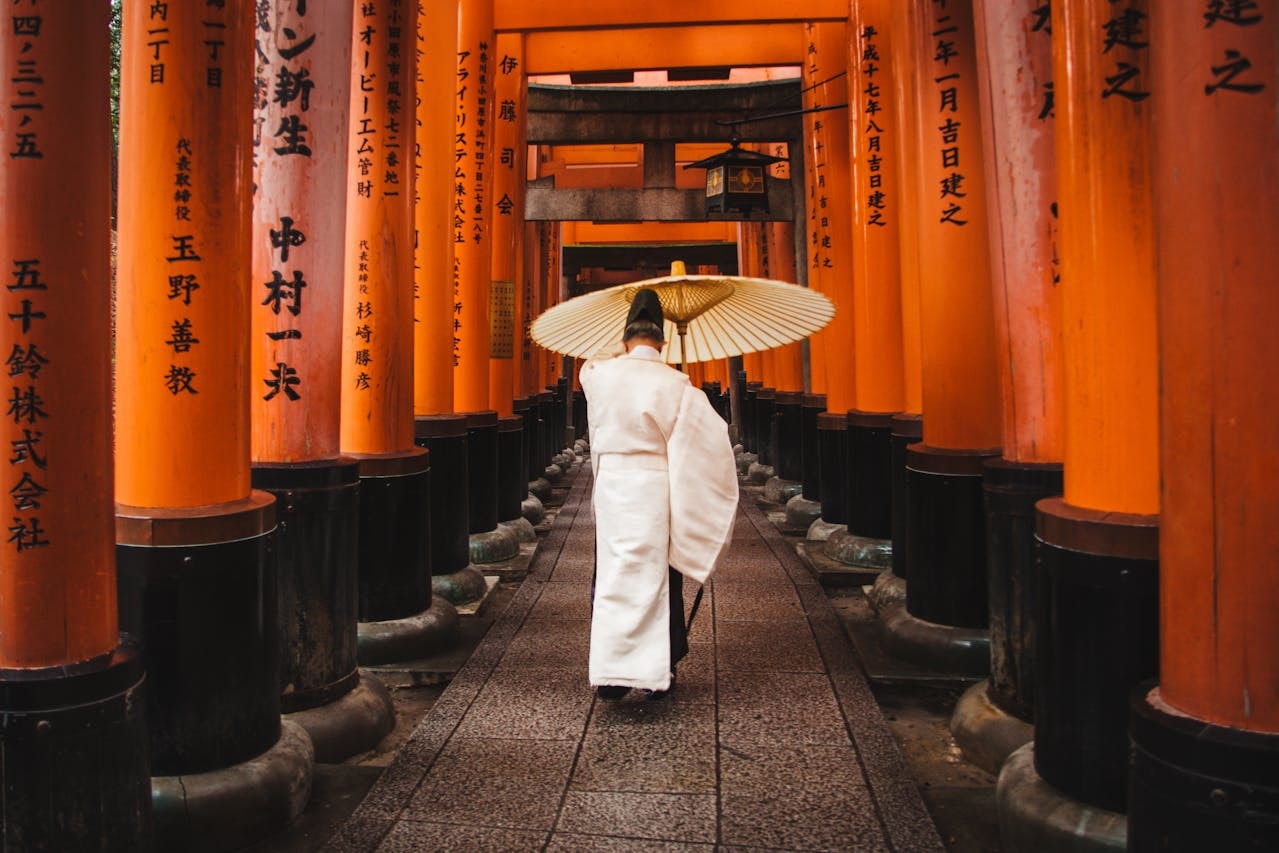
Knowing the proper way to greet someone in morning in Japanese is key to avoiding miscommunication.
Appropriate Contexts for Saying Good Morning
| Situation | Correct Form | Example Usage |
|---|---|---|
| Greeting friends or family members | おはよう | Saying “Ohayou!” to a close friend in school. |
| Speaking to a teacher or boss | おはよう ご ざ い ま す | Using “Ohayou gozaimasu” when entering the office. |
| Addressing customers in a store | おはよう ご ざ い ま す | Employees greeting customers in the morning. |
| Greeting a stranger in the morning | おはよう ご ざ い ま す | When meeting someone for the first time. |
Important Note: After late afternoon, use こんにちは (Konnichiwa) for good afternoon and こんばんは (Konbanwa) for good evening.
Common Mistakes and Misconceptions
Beginners often make mistakes when using good morning in Japanese. Here are some common errors:
❌ Using おはよう instead of おはよう ご ざ い ます in formal settings.
✅ Always use the formal way in professional or public interactions.
❌ Using おはよう in the afternoon or late afternoon.
✅ After late afternoon, switch to こんにちは (Konnichiwa) for good afternoon or こんばんは (Konbanwa) for good evening.
Other Common Japanese Greetings
Besides good morning, there are multiple ways to greet people in Japanese culture. Below is a table featuring some common greetings:
| English | Japanese | Romaji | Formality | Usage |
|---|---|---|---|---|
| Goodbye | さようなら | Sayounara | Formal | When parting for a long time or in formal settings. |
| Excuse me / Sorry | すみません | Sumimasen | Formal | Used for apologies or getting attention. |
| Thank you | ありがとう / ありがとうございます | Arigatou / Arigatou gozaimasu | Casual / Polite | Expressing gratitude. |
| Nice to meet you | はじめまして | Hajimemashite | Neutral / Polite | Used when introducing oneself for the first time. |
| Good afternoon | こんにちは | Konnichiwa | Neutral | From noon to early evening, general greeting. |
| Good evening | こんばんは | Konbanwa | Neutral / Formal | In the evening, typically after sunset. |
| Good night | おやすみ / おやすみなさい | Oyasumi / Oyasuminasai | Casual / Polite | Before going to bed or when parting at night. |
| Hello (casual) | やあ / よう | Yaa / You | Very casual | Used among close friends, informal settings. |
| Welcome (to a place) | いらっしゃいませ | Irasshaimase | Formal | Used by staff in stores and restaurants. |
| Welcome back | おかえり / おかえりなさい | Okaeri / Okaerinasai | Casual / Polite | When greeting someone returning home. |
| See you later | じゃね / じゃまた | Ja ne / Ja mata | Casual | When parting, informal setting. |
Additional greetings:
- もしもし (Moshi moshi) – Used when answering the phone.
- お久しぶりです (Ohisashiburi desu) – “Long time no see.”
- 元気ですか (Genki desu ka) – “How are you?”
Non-Verbal Cues When Greeting in Japan
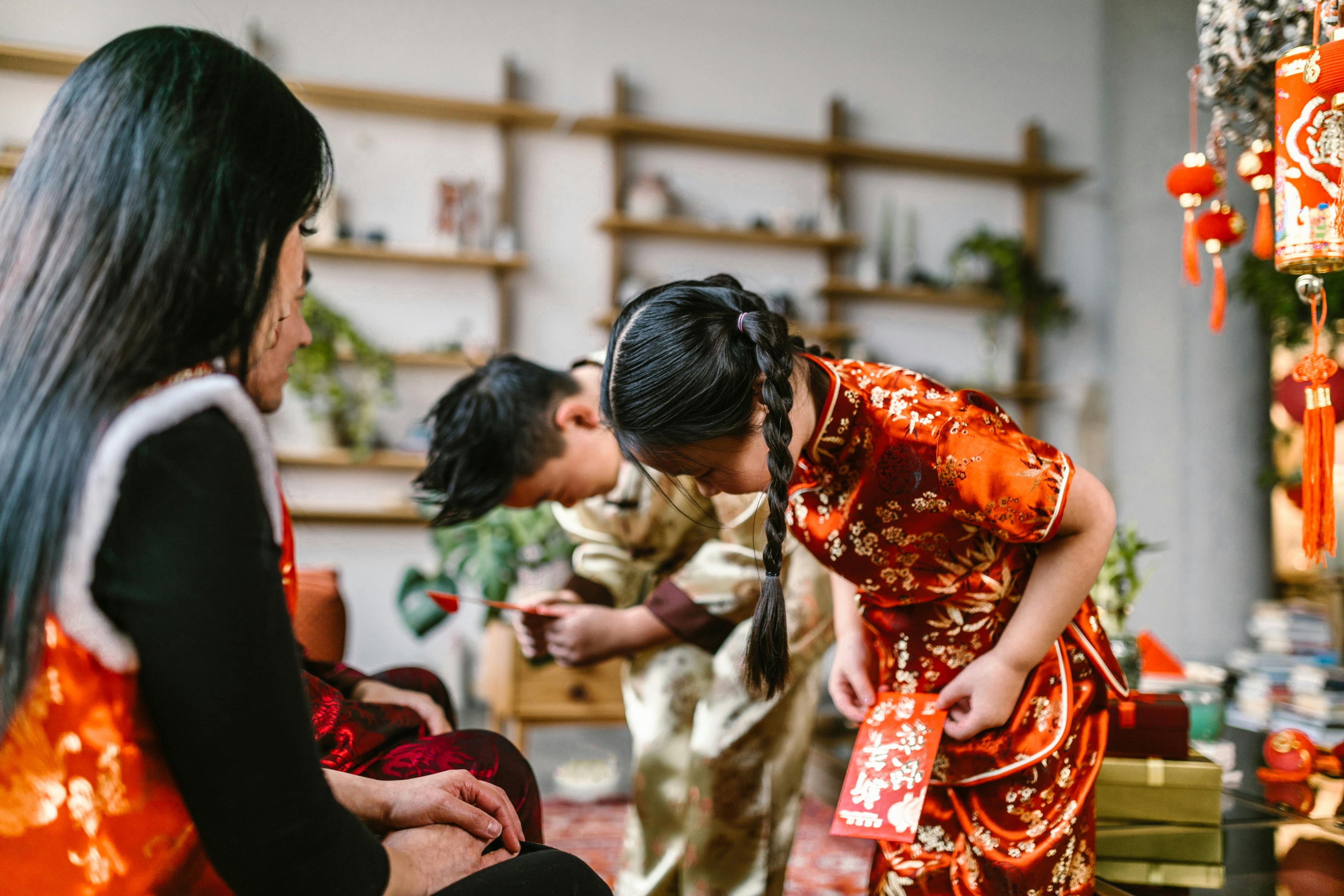
In Japan, greetings often involve more than just words. Japanese people use body language to show respect, especially when meeting someone for the first time.
Bowing (お辞儀 – Ojigi)
- Polite nod – A slight bow, often seen in casual settings.
- Deep bow – Used in formal situations to show deep respect.
- Longer bows – Used when making apologies or showing extreme gratitude.
A proper bow depends on the situation. In casual settings, a simple polite nod is enough.
History and Origins of おはよう (Ohayou)
The phrase おはよう (Ohayou) comes from 早い (hayai), meaning “early”. Originally, it meant “It’s early, isn’t it?”, evolving into a common greeting over time.
Learning & Practicing Good Morning in Japanese
To learn Japanese and master common greetings, try these methods:
✅ Practice speaking with a native speaker.
✅ Watch Japanese TV shows to hear natural Japanese pronunciation.
✅ Use language apps like Duolingo or LingoDeer.
✅ Take a structured Beginner Japanese Course for better retention.
Conclusion
Mastering good morning in Japanese is an important step in learning the Japanese language. Whether you’re in a casual setting with friends or a formal situation at work, using the proper way to greet people makes a big difference in communication.
For more learning resources, visit Japanese Explorer.
Now that you know how to say good morning, start using it daily! おはよう ご ざ い ます!