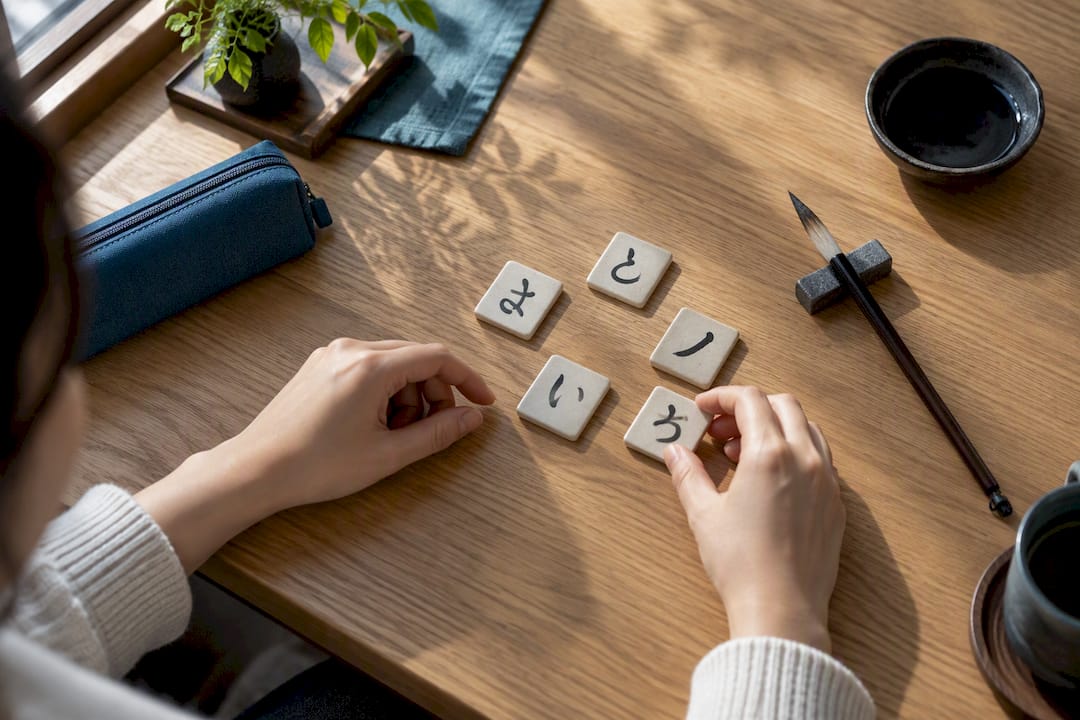

Expressing love in Japanese differs significantly from English due to cultural nuances. Unlike Western cultures where openly saying “I love you in Japanese” is common, Japanese people tend to express love more subtly. This article explores the various ways to say “I love you in Japanese,” along with their appropriate contexts, responses, and cultural insights. Learning these Japanese phrases will help you understand how Japanese people express love.
Additionally, you will learn how cultural factors, generational differences, and formal vs. casual speech influence love expressions. Whether you are romantically interested in a Japanese person or simply learning the language, understanding these nuances will deepen your appreciation of Japanese culture.
How to Say “I Love You” in Japanese

Why “I Love You” Doesn’t Have a Perfect Equivalent in Japanese
The English phrase “I love you” has no direct one-to-one equivalent in Japanese. Instead, different words and phrases convey varying degrees of affection depending on the situation and relationship.
In Japan, love is often conveyed through actions rather than words. While English phrases like “I love you” can be used casually, in Japanese, the appropriate phrase depends on the depth of the relationship, the formality, and whether the love is romantic or platonic.
Gender Differences in Expressing Love in Japan
Japanese men and women express love differently. Japanese men tend to be less vocal about love, often relying on actions rather than words. Women, on the other hand, may use softer expressions like “suki desu 好き です” or “daisuki da.”
It is common for Japanese men to avoid saying “ai shiteru” and instead express their love through gifts, thoughtful gestures, or acts of service. This contrasts with Western cultures, where verbal affirmations of love are more frequent.
Generational Differences in Saying “I Love You”
Older generations in Japan rarely use direct love expressions like “ai shiteru 愛 し てる,” while younger generations, influenced by media and globalisation, have become more open to verbal expressions of affection. However, even among younger Japanese people, “ai shite iru” remains a phrase used sparingly, often reserved for dramatic or heartfelt confessions.
How to Pronounce Aishiteru
Pronounced as “ai shite iru 愛 し て いる,” this phrase is reserved for deep, committed romantic love.
When to Use “Aishiteru” in Japanese Love Expressions
This phrase is typically used in serious relationships or marriage. It appears more frequently in literature and dramatic moments rather than daily conversations.
Scenario Example:
A married couple may use “ai shitemasu” during a heartfelt anniversary confession or when expressing passionate love for their romantic partner. In media, “ai shite iru” is often used in dramatic settings, such as confessions in movies or anime.
Why Japanese Men Say “Aishiteru” Less Often
Cultural expectations encourage Japanese men to show love through actions rather than words. Saying “ai shiteru” may feel overly dramatic or unnatural in casual settings. Instead, acts of service, thoughtful gifts, and quality time are preferred ways to express deep affection.
好き (Suki) – The Casual Way to Say “I Like You”
Pronounced as “sue-kee,” this phrase expresses liking someone romantically or platonically.
When to Use “Suki” in Japanese Love Expressions
“Suki desu 好き です” is used during the early stages of dating or when expressing admiration. It is the most common way to express romantic interest without sounding too strong.
Example Scenarios:
- A person confessing feelings for someone they recently started dating.
- Expressing admiration for a favourite celebrity or crush.
- Using “suki da yo” to affectionately express love to a romantic partner in a casual way.
“Daisuki” (大好き) – “I Like You a Lot”
Pronounced as “dye-sue-kee,” this phrase expresses stronger affection than “suki.”
When to Use “Daisuki” in Japanese Love Expressions
“Daisuki desu” is used for deep friendships, strong romantic love, or fondness for hobbies and interests.
Example Scenario:
A couple in a committed relationship may use “daisuki da yo 大好き だ よ” to express their love daily. “Daisuki” can also be used to describe non-romantic passions, such as love for food, pets, or hobbies.
恋してる (Koishiteru) – A Rarely Used Expression of Romantic Love
Pronounced as “koi shite iru し て いる,” this phrase conveys being deeply in love.
When to Use “Koishiteru” in Japanese Love Expressions
This phrase is poetic and used in songs, literature, or dramatic confessions. It is less common in daily conversations but may be used when someone has fallen deeply in love.
Example Scenario:
A character in a romantic drama passionately confessing their love by saying “koi ni ochita,” meaning “I have fallen in love.”
Writing “I Love You” in Kanji, Hiragana, and Romaji
| Script | Writing |
|---|---|
| Kanji | 愛してる |
| Hiragana | あいしてる |
| Romaji | ai shite iru |
Non-Verbal Ways to Express Love in Japan
Japanese people often show love through actions rather than words. Examples include:
- Cooking for a loved one
- Giving thoughtful gifts
- Supporting and prioritising their partner’s needs
- Spending quality time together
How to Respond to “I Love You” in Japanese

What to Say When Someone Says “I Love You”
- 私も (Watashi mo) – “Me too” (Casual and Neutral)
- ありがとう (Arigatou) – “Thank you” (If You’re Unsure)
- 好きだよ (Suki da yo) – “I Like You Too” (Casual Response)
For those wanting to learn Japanese privately, consider hiring a private Japanese tutor.
How to Politely Reject a Love Confession in Japanese
Examples of Polite Rejections:
- ごめんなさい (Gomen nasai) – “I’m sorry.”
- ちょっと… (Chotto…) – “Uhh… It’s Complicated.”
- 申し訳ないけど… (Moushiwake nai kedo…) – “I’m sorry, but…”
Common Misconceptions About “I Love You” in Japanese
“Aishiteru” Is Not Used in Everyday Conversations
Western media often portrays “ai shite iru” as commonly spoken, but in reality, it is reserved for rare, serious moments.
Do Japanese People Avoid Expressing Love?
Not at all! Japanese people express love through actions rather than frequent verbal affirmations.
The Cultural Meaning of “I Love You” in Japan
Japan values subtlety and indirect communication, making direct expressions of love less common.
How Do Japanese People Show Love Instead?
In Japan, romantic relationships often begin with a “kokuhaku” (告白), which is a formal love confession. Rather than gradually developing a relationship without explicitly stating feelings, as is common in Western cultures, Japanese people often wait until one person makes an official confession before officially dating.
Conclusion
Learning how to express love naturally in Japanese helps in understanding cultural nuances. Whether using “suki desu,” “daisuki da,” or “ai shite iru,” it is essential to consider context and cultural appropriateness. Japanese culture places a strong emphasis on expressing love through actions rather than words, making understanding these subtle expressions crucial for relationships.
For more insights into the Japanese language and culture, check out Japanese Explorer.
How do you express love in your language? Share your thoughts below!