Japanese cuisine is renowned worldwide for its exquisite flavours, meticulous presentation, and deep cultural roots. Whether you’re a resident or a visitor in Singapore, immersing yourself in Japanese food culture can be a delightful and enriching experience. To enhance your dining adventures and make the most out of your culinary excursions, mastering some essential Japanese vocabulary can be incredibly beneficial. This guide will introduce you to key phrases and words that will help you navigate a Japanese restaurant with confidence and ease.
Basic Greetings and Phrases
Before diving into food-specific vocabulary, it’s important to know some basic greetings and phrases commonly used in Japanese dining settings. These will not only help you communicate more effectively but also show respect for the culture.
- Irasshaimase (いらっしゃいませ): Welcome (used by staff to greet customers).
- Sumimasen (すみません): Excuse me (useful for getting a waiter’s attention).
- Onegaishimasu (お願いします): Please.
- Arigatou gozaimasu (ありがとうございます): Thank you very much.
- Oishii (美味しい): Delicious.
- Gochisousama deshita (ごちそうさまでした): Thank you for the meal (said after eating).
Ordering Food
When it comes to ordering food, knowing specific terms can make the experience smoother and more enjoyable. Here are some essential vocabulary words to help you with the menu and ordering process:
- Menu (メニュー): Menu.
- Ramen (ラーメン): Noodles in broth, often with various toppings.
- Sushi (寿司): Vinegared rice with seafood or other toppings.
- Sashimi (刺身): Sliced raw fish.
- Tempura (天ぷら): Battered and deep-fried seafood or vegetables.
- Yakitori (焼き鳥): Grilled chicken skewers.
- Bento (弁当): Boxed meal.
- Teishoku (定食): Set meal, typically includes rice, miso soup, pickles, and a main dish.
Dietary Preferences and Restrictions
Being able to communicate your dietary preferences or restrictions is crucial, especially if you have allergies or follow a specific diet. Here are some phrases that might be useful:
- Niku nashi (肉なし): No meat.
- Sakana nashi (魚なし): No fish.
- Vegetarian (ベジタリアン): Vegetarian.
- Arerugī (アレルギー): Allergy.
- Watashi wa … ga arerugī desu (私は…がアレルギーです): I am allergic to… (e.g., peanuts: ピーナッツ, shrimp: エビ).
Drinks and Beverages
Japanese dining often includes a variety of beverages, from tea to sake. Knowing how to order drinks can enhance your dining experience:
- Ocha (お茶): Tea.
- Mizu (水): Water.
- Birru (ビール): Beer.
- Sake (酒): Japanese rice wine.
- Kōhī (コーヒー): Coffee.
Payment and Leaving the Restaurant
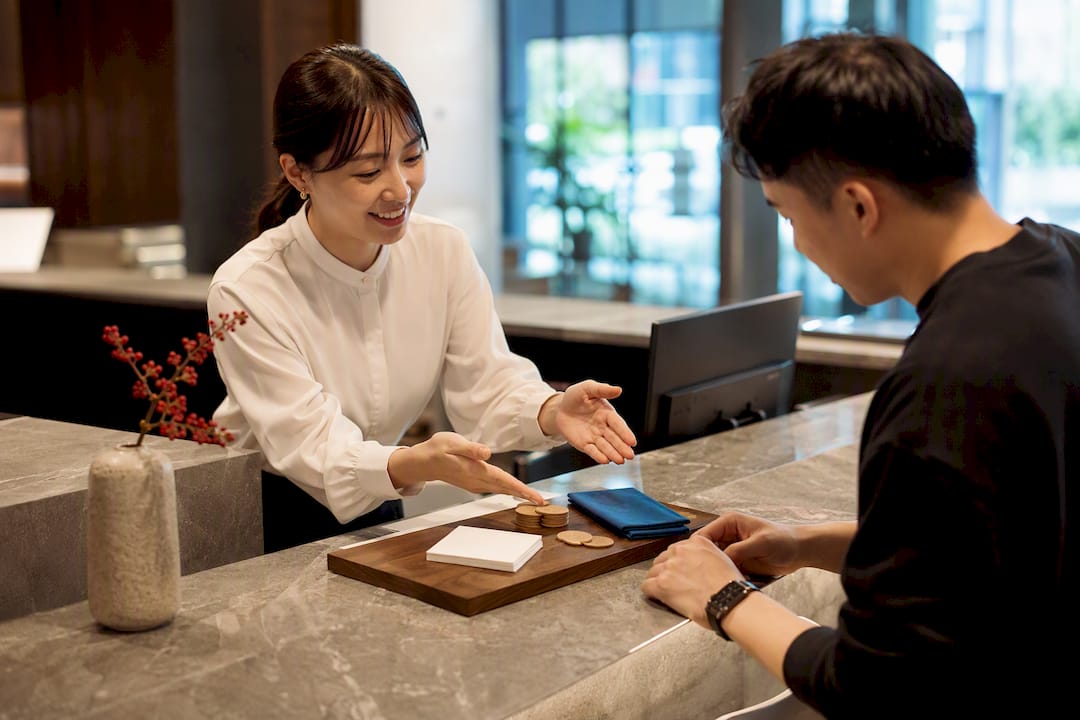
When you’ve finished your meal and it’s time to settle the bill, these phrases can be helpful:
- Okaikei onegaishimasu (お会計お願いします): The bill, please.
- Betsu betsu (別々): Separately (if you want separate bills).
- Issho (一緒): Together (if you are paying for everyone).
Common Menu Items and Ingredients
Familiarize yourself with some common menu items and ingredients that you might encounter:
- Ebi (エビ): Shrimp.
- Tako (タコ): Octopus.
- Tamago (卵): Egg.
- Kani (カニ): Crab.
- Tofu (豆腐): Tofu.
- Nori (海苔): Seaweed.
- Wasabi (わさび): Japanese horseradish.
Dining Etiquette Tips
Understanding dining etiquette is as important as knowing the language. Here are some tips to keep in mind:
- Chopsticks: Never stick chopsticks upright into your rice, as it resembles a funeral rite. Use the chopstick rest provided.
- Sharing Dishes: It’s polite to transfer food to your plate before eating rather than eating directly from shared dishes.
- Slurping: It’s acceptable and even considered polite to slurp noodles, as it shows you are enjoying the meal.
Enhancing Your Japanese Dining Experience
Learning these essential vocabulary words and phrases will undoubtedly enrich your Japanese dining experience. However, to truly appreciate and enjoy Japanese culture, consider taking a Japanese class in Singapore. Japanese Explorer offers comprehensive Japanese language courses that cater to all levels, from beginners to advanced learners. By enrolling in a Japanese lesson, you’ll not only improve your language skills but also gain deeper insights into the cultural nuances that make Japanese cuisine so unique.
Conclusion
Exploring Japanese food culture through dining out is a wonderful way to experience the richness of Japan’s culinary traditions. Whether you’re ordering sushi, enjoying a bowl of ramen, or savouring some tempura, having the right vocabulary at your disposal can make your experience more authentic and enjoyable. If you’re looking to deepen your understanding and fluency, consider joining a Japanese class at Japanese Explorer. Learn Japanese and embark on a cultural journey that goes beyond the plate. Happy dining!