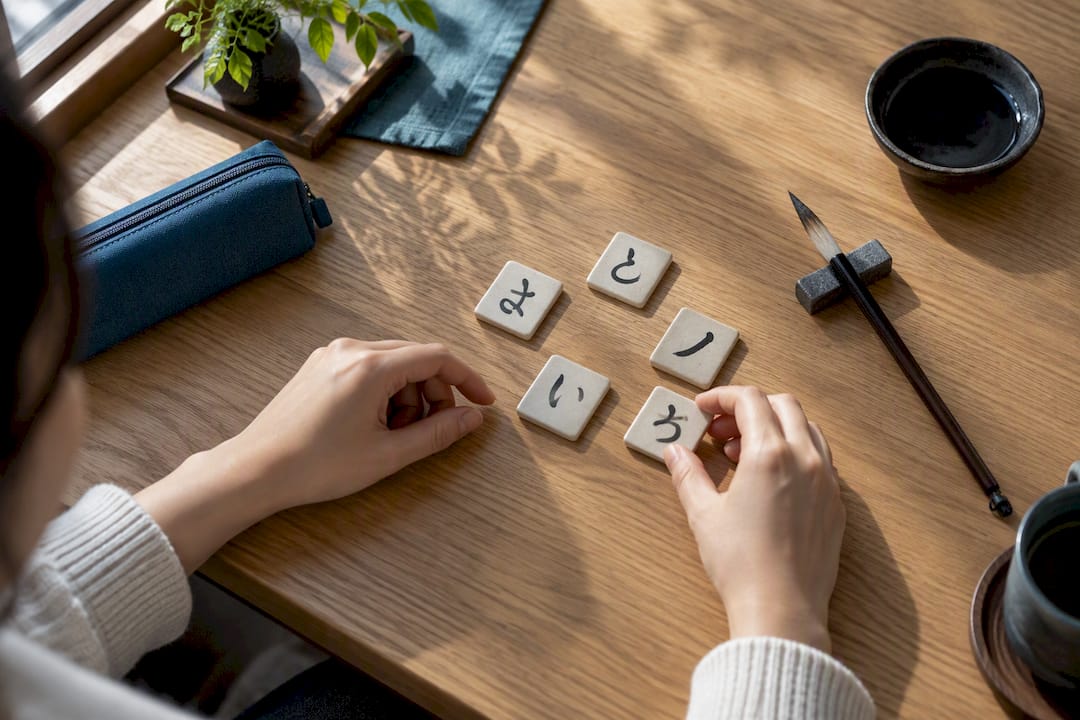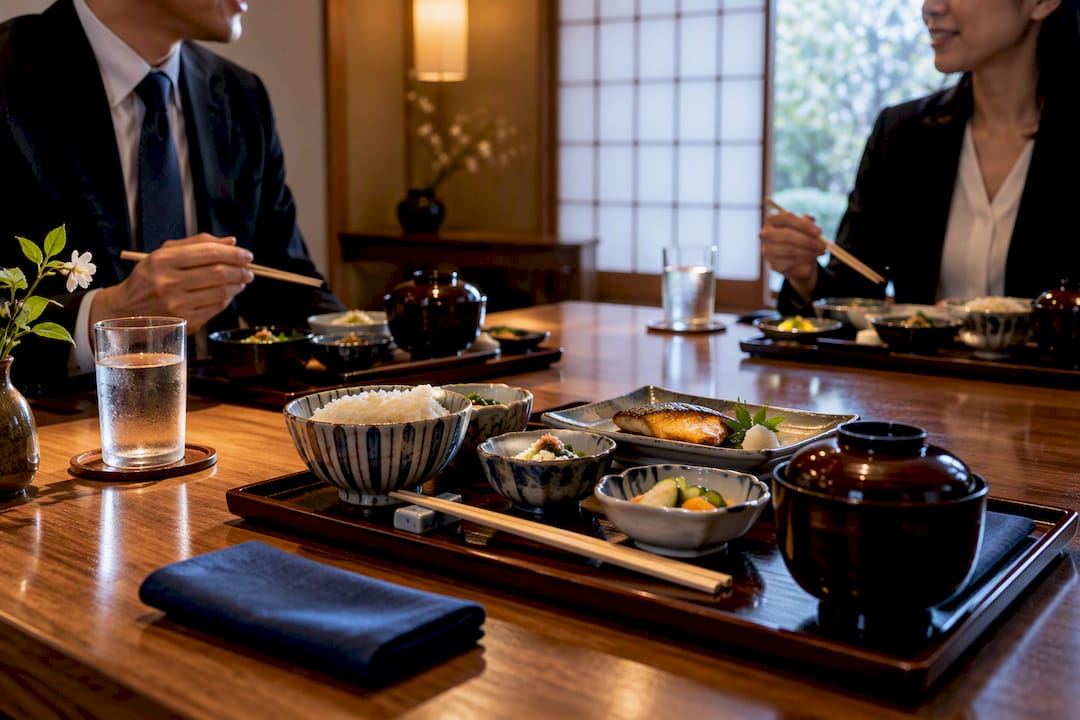
When taking up a new skill, it is inevitable to notice a plateau in progress or ability and feel like there is no getting past being at an “intermediate” level. Undoubtedly, staying at this stage for a long time can be highly discouraging and puts many people off from continuing with their studies. However, this plateau is arguably the most important time in the study of anything, and conquering it is what sets apart the dedicated from those who just want to explore new things.
In the context of learning Japanese, reaching this plateau frequently occurs after learning most, if not all, things related to grammar, sentence structure, and conjugation rules. Not only that, but it is also at this point where vocabulary and kanji usually become more of a focus than ever before. But as we all know, not many actually consider learning the latter to be an enjoyable part of working towards Japanese fluency. So, if you ever find yourself in this situation, here are some useful tips to help you get back on track with making meaningful progress and achieving the skill level you want in Japanese.
Focus on Picking Up New Vocabulary More Than Ever
As mentioned earlier, learning kanji and having a large vocabulary becomes more important than ever once you become familiar with the fundamentals of the Japanese language. That said, where can you find new words to add to your vocabulary? While you can already learn plenty from your Japanese lesson in Singapore, you are more likely to enjoy further building your vocabulary through the things you enjoy.
Take entertainment, for example. Find something you already enjoy in English and search for its equivalent in Japanese. So, even if you are rewatching some of your favourite old movies with Japanese dubbing, you can extract a significant number of new words that you can apply in everyday conversations.
Whether it’s movies and TV shows, books, podcasts, or anime and manga, find something that you are completely interested in and experience it slowly with a note in hand so you can write down and look up the meaning of all the new words that catch your eye. Afterwards, try rereading your source materials again to recall what you have learned and store them in your long-term memory for good.
Re-evaluate Your Goal to Chart Your Course Towards Progression
People learning Japanese have different reasons for wanting to get better at the language. Some wish to attain fluency for professional reasons, while others want something as simple as understanding their favourite Japanese media without relying on subtitles. Naturally, different goals will require different skill sets to achieve.
For instance, getting into the Japanese business landscape requires excellent communication and verbal skills in business Japanese. Meanwhile, getting to read the latest manga chapters the moment they come out necessitates good reading comprehension, a solid vocabulary, and knowledge of at least all the jōyō kanji or “regular-use kanji” in everyday life.
Going back to why you took up Japanese in the first place allows you to zero in on the skills you need to work on the most to achieve your goal. While you ideally should excel in all aspects of the language, prioritising the ones that matter to you takes precedence for now. With this renewed sense of direction, you can hopefully regain that sense of making progress again.
Be “Yourself” In Japanese
Besides getting the hang of kanji, one other challenge many people encounter when learning Japanese is having difficulty expressing themselves well in Japanese. This is a given, as limited working knowledge of the language will limit how you can effectively convey your personality as well. If you plan on making friends with native Japanese speakers, they will most likely be unable to get to know the real you because of this issue. Of course, this applies to virtually all languages and not just Japanese since the less vocabulary you know, the less eloquent you can be in expressing your thoughts and ideas.
Therefore, make it a challenge to hone your ability to express anything that’s in your mind in Japanese just as you could in your native language. Unless you no longer think that you can explain something better in your native language than in Japanese, you still have much to improve on. Setting other goals for yourself besides the main one that got you here in the first place makes for an excellent way to keep your studies interesting and help you feel that you are making progress, which motivates you to push on instead of dropping everything.
Conclusion
Getting past the intermediate plateau is likely one of the hardest things you will encounter in your quest to become fluent in Japanese. In the beginning, you will notice immediate and frequent results as you learn the basics, but once you get past this initial stage, your gains will inherently dwindle, causing you to get the sense that your study progress has turned sluggish and slow. However, don’t feel discouraged, as you will eventually break through with a bit of perseverance and creative thinking.
If you ever need help furthering your Japanese studies, consider signing up for a Japanese course in Singapore at Japanese Explorer today! We offer comprehensive and AJALT-accredited Japanese lessons that feature everything you need to succeed, from native Japanese teachers to personalised teaching methods to suit your unique learning style. For more information about our class scheduling and course options, don’t hesitate to contact us today!