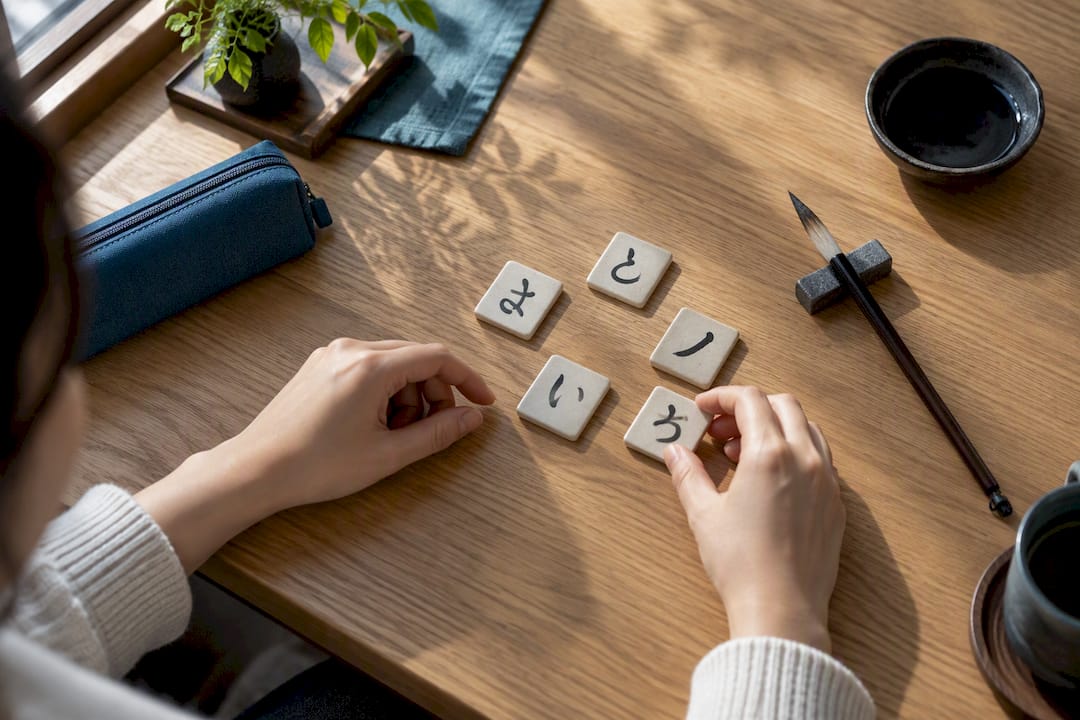
Kanji, one of Japan’s three writing systems, is a set of characters derived from ancient Chinese characters, dating back over 2,000 years. Recognised as the oldest and most intricate writing system in Japan, Kanji is an essential component of the Japanese language, used alongside two other writing systems.
What makes Kanji different?
The characters used in Hiragana and Katakana, the other two writing systems in Japanese, represent sounds of pronunciations, whereas Kanji characters represent entire words or concepts. This adds to the complexity of interpreting Kanji as compared to the other two.
Prospective learners would be relieved to know that while there exist thousands upon thousands of Chinese characters, only a small fraction of those is used in Kanji, making learning Kanji a process less daunting than it may seem.
When is Kanji used?
Barring street signs, Kanji is most often used in formal documents associated with bureaucratic processes in Japan. Legal and government documents often require a good understanding of Kanji in order to read.
An integral part of formal writing, Kanji usage can also be found in all sorts of contemporary writings like newspapers, magazines, and online blog articles. This makes Kanji a relevant and important part of learning the Japanese language, despite the storied history of this particular writing system.
Classical art and literature are other places where Kanji can be commonly found. For those interested in Japanese heritage and culture, many well-known and classic works of Japanese calligraphy and literature are often written using Kanji. Many historical sites and buildings also feature heavy Kanji use.
How to learn Kanji
With Kanji being an important component of the Japanese language, it is best to start your learning journey with basic characters through the use of textbooks and guides. Contextual learning such as getting to know Kanji and the usage of its characters in different environments and scenarios can help deepen your understanding of Kanji.
With a total of three writing systems in the Japanese language to learn and become proficient at, it can help immensely to attend a Japanese lesson in Singapore in order to accelerate your learning.
With many flexible options to either learn Japanese online or in person, taking lessons can make Japanese a far less intimidating new language to take on and master.
Conclusion
For those looking to enrol in Japanese language courses to increase their understanding of the Japanese language, Japanese Explorer is the premier choice. Japanese Explorer offers private, small group and business courses meant to tackle every learning purpose and objective.
With the choice to attend on-campus courses or learn from the comfort of your home, Japanese Explorer presents a variety of learning arrangements for everyone – regardless of whether you are a Japanese culture enthusiast or business professional looking to break into the Japanese market.
Aside from being SkillsFuture compatible, Japanese Explorer offers quality teaching in the form of bilingual and native Japanese-speaking teachers, as well as an accredited Japanese Course Syllabus. With our unique structure focusing on building strong grammar basics in the first half, Japanese Explorer is the perfect choice for anyone looking to learn Japanese the best way possible.
For more information on our Japanese course in Singapore, feel free to contact us today.