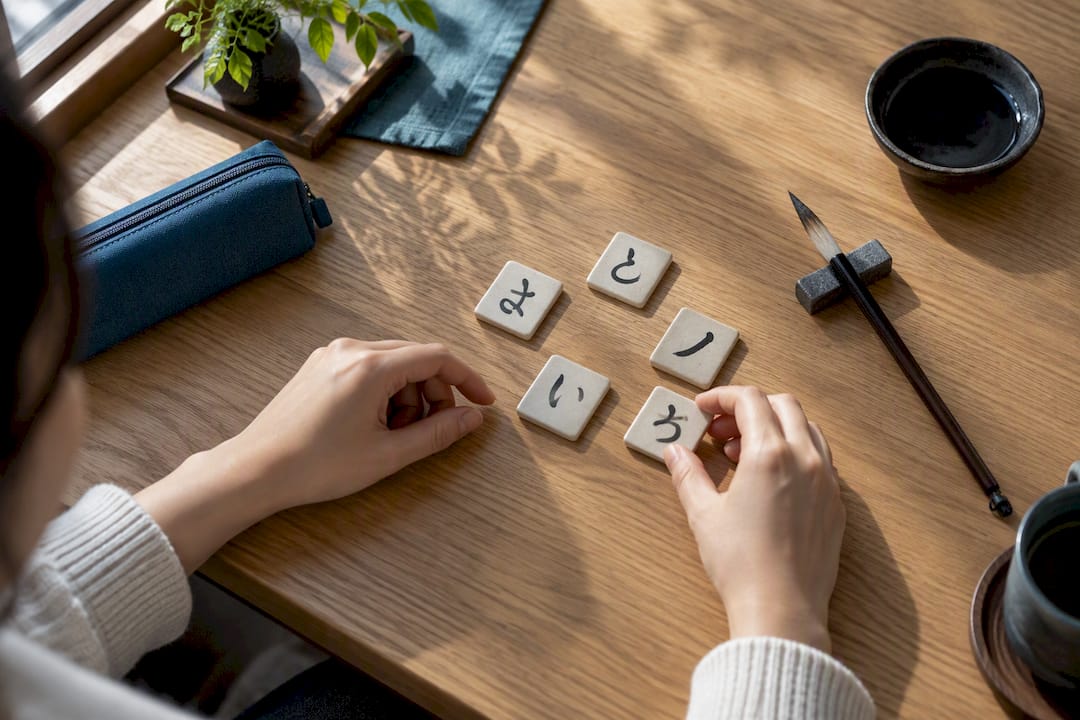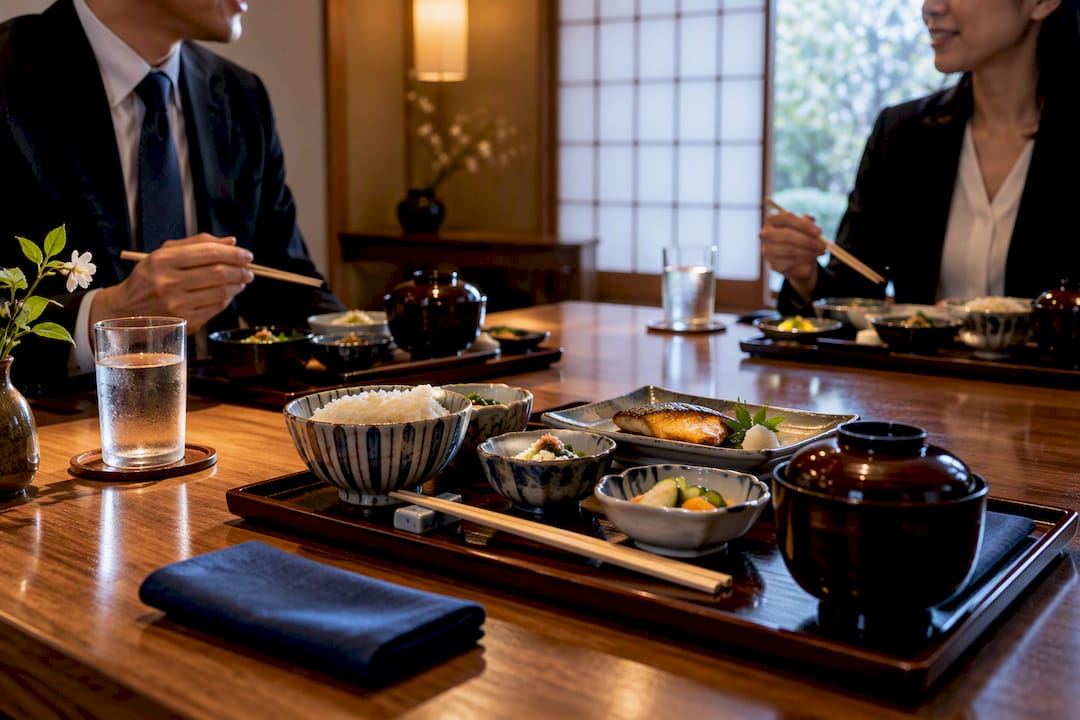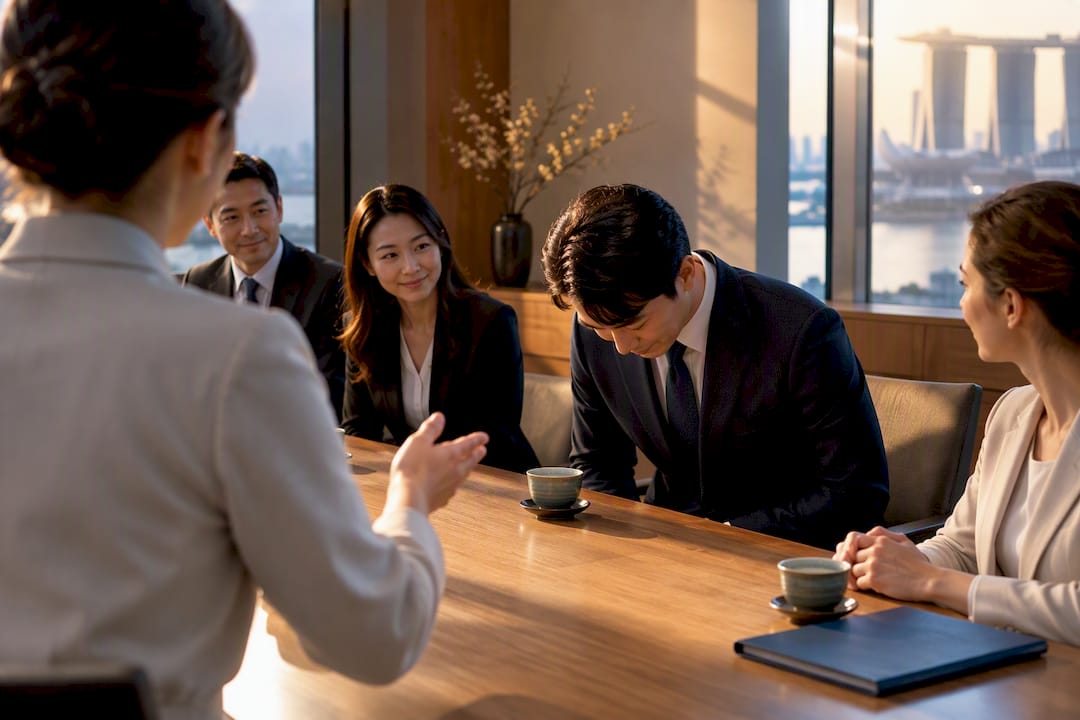
It is no secret that Japanese culture and traditions place a strong emphasis on politeness and social hierarchy, which is evident in their widespread use of honorifics. These linguistic nuances play a vital role in maintaining respect and courtesy across various social contexts. By modifying verbs and pronouns, honorifics convey politeness and humility, embodying essential values deep-rooted in the Japanese culture.
For Japanese language learners, understanding the intricacies of Japanese honorifics is crucial for navigating environments where these expressions are prevalent, such as business settings or exchange programs.
Familiarising yourself with the basics of various honorifics and their appropriate contexts can greatly enhance your ability to engage effectively in such situations.
Dive into the world of Japanese honorifics and master the art of addressing different individuals with our guide below:
1. Sonkeigo
A specific set of honorifics meant to show respect and recognition to social hierarchy, Sonkeigo is often used in business settings where formality is paramount, such as when communicating with superiors and customers.
Particularly useful for business professionals expecting to deal with their Japanese counterparts, Sonkeigo is a must-learn when it comes to navigating the social and communication norms of Japan’s business world.
2. Kenjougo
The perfect set of honorifics for first-time meetings and introductions, Kenjougo is often used to express humility in oneself and to eliminate any animosity between individuals. Kenjougo can also be used to acknowledge another person’s higher social status or rank.
Kenjougo is best used in more formal social settings when people do not know each other well on a personal level. It is a great way to present oneself as in good possession of humility and capable of conveying respect.
3. Teineigo
Teineigo is the most commonly used set of honorifics in Japanese culture. It is used in various everyday situations and is the most important set of language honorifics to learn for anyone looking to navigate Japanese culture and society with any degree of efficacy.
Viable in both formal and informal settings, Teineigo is a versatile form of Japanese polite language designed for everyday use in a variety of social settings. Mastering Teineigo is highly beneficial to any Japanese language learner due to the much-increased likelihood of making a good impression of oneself.
Conclusion
Honorifics in Japanese are an intricate aspect of Japanese culture. Learning to switch between these 3 sets of honorifics is an important skill that should be mastered in order to successfully communicate in the Japanese language. However, it can be confusing to learn how to correctly use honorifics, especially for beginners.
An excellent Japanese teacher who can offer proper guidance in navigating these nuances in the language can help immensely. If you are interested in enrolling in a Japanese class in Singapore, Japanese Explorer has got your back. Offering small group classes and flexible options to learn Japanese online, Japanese Explorer is the best full-service language school in Southeast Asia, having received an award at the 2023 Business Awards. Featuring bilingual language coaches who also speak Japanese at a native level, Japanese Explorer is the language school of choice for enthusiasts and business professionals alike.
For more information on our Japanese course in Singapore, do not hesitate to get in touch with us today.