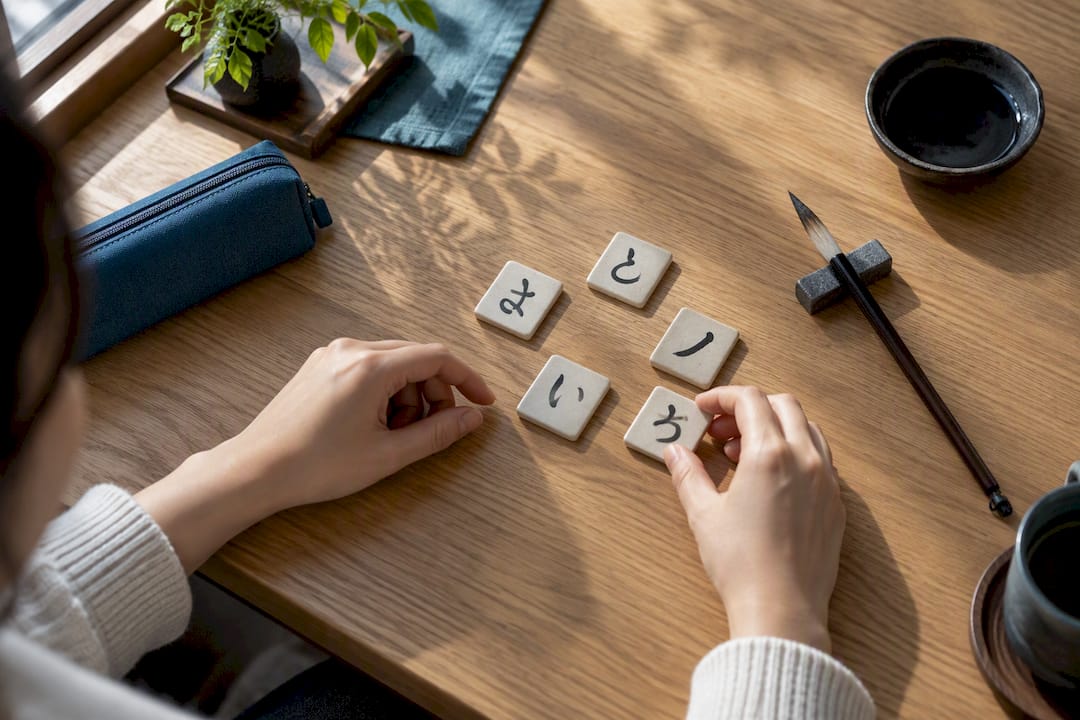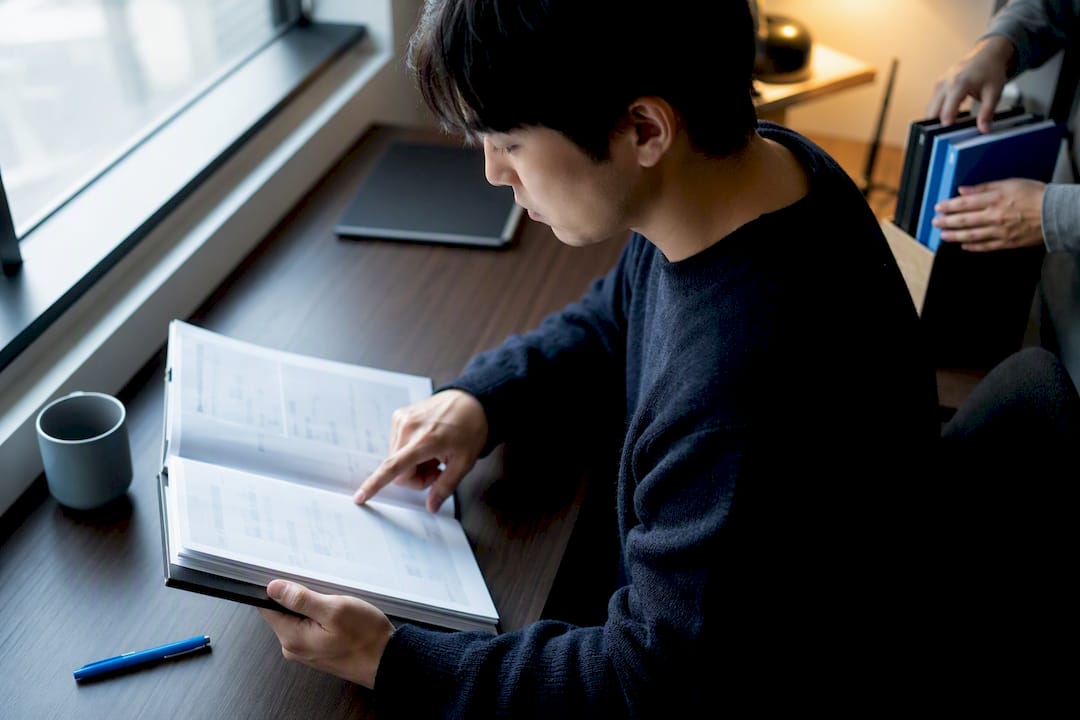
People enrolled in Japanese classes in Singapore know they have only so much time in a day to progress with their language learning. As such, they must choose wisely where they distribute their hours between the three primary ways of learning Japanese: study, immersion, and engagement. Naturally, you’d want to have all three per day to get on the fast track towards fluency, but not everyone has the luxury of having a free schedule. So, with a lot of thought and careful deliberation, you manage to set aside, let’s say, two to three hours for your Japanese studies. The question now is where to allocate this precious time.
Study Over Immersion
Most people might lean towards study, and they are correct for the most part. Choosing study over immersion is 100% the best choice, but only if you are just getting started with learning since immersion is only productive once you have already built up the foundation of your Japanese ability.
Learning the fundamentals in study mode involves many things, from tackling grammar concepts and basic kanji to building your flashcard deck and reviewing them periodically. You have concrete goals to work towards for these activities, and you feel like you are making progress once you attain them. And after several months of studying, it is best to start easing yourself with immersion.
Unlike study mode, immersion mode entails taking in native Japanese in whichever format you prefer and trying to understand and enjoy it. Despite understanding Japanese better now, you may comprehend almost nothing once you first get into immersion. This is natural as Japanese in the real world has a lot more nuance that is not yet explored in textbooks and lessons until much later, such as accents, slang, regional dialects, and so on.
However, rest assured that you will grow bit by bit, especially if you also set clear goals like listening/reading/watching X for Y number of times or something more general to get you started, such as understanding a brand new world of music via Japanese songs.
The result is that studying feels like a real learning experience, while immersion is a supplementary role. Of course, this will eventually change as you become more fluent, but for now, that is just how it is. For students in their early stage of Japanese learning, study mode should have a higher priority, while immersion is a fun and motivating side quest that helps reinforce your study mode victories.
Immersion Also Deserves Your Time
Although we mentioned that it is best to think of immersion as complementary to study mode, it should never be considered an afterthought as it becomes a part of your studies once you reach an intermediate level of skill. At this stage, it is the same type of study as using your flashcards in that they share the exact features, namely:
- Reviewing old material
- Learning new material one piece at a time
- It leverages spaced repetition
That last one may come as a surprise, but it is true. Immersion also uses a spaced repetition system but without using some sort of computer algorithm like your Anki deck does. It is virtually the same, seeing as you learn new concepts or information and review it again when it reappears. Rinse and repeat.
This process loops again and over timed intervals no matter what type of immersion you are doing, be it listening to Japanese music or podcasts, watching anime, or reading books and newspapers. Moreover, even if you do not yet understand most of the content you are consuming, your memory fully utilises the small percentage that you do get on spaced repetition.
As such, students often wonder why they sometimes have an easier time remembering things when they are reviewing them in review mode, which, more often than not, can be attributed to experiencing it during your previous immersion sessions.
Conclusion
Studying and immersion go hand in hand, so you should begin with the latter sooner rather than later and never treat it as inferior to the former. Once you reach an intermediate skill level or higher, it is vital to allocate enough time for it during your study days.
If reaching your desired fluency sooner than later sounds like a good idea, Japanese Explorer offers AJALT-accredited Japanese lessons in Singapore that let you do just that. Combined with native Japanese instructors who know the language best, you’re sure to be on the fast track towards mastering Japanese and achieving your goals for learning it in the first place, when you choose to learn Japanese in Singapore with us.
For more information and scheduling of our courses, feel free to contact us anytime!