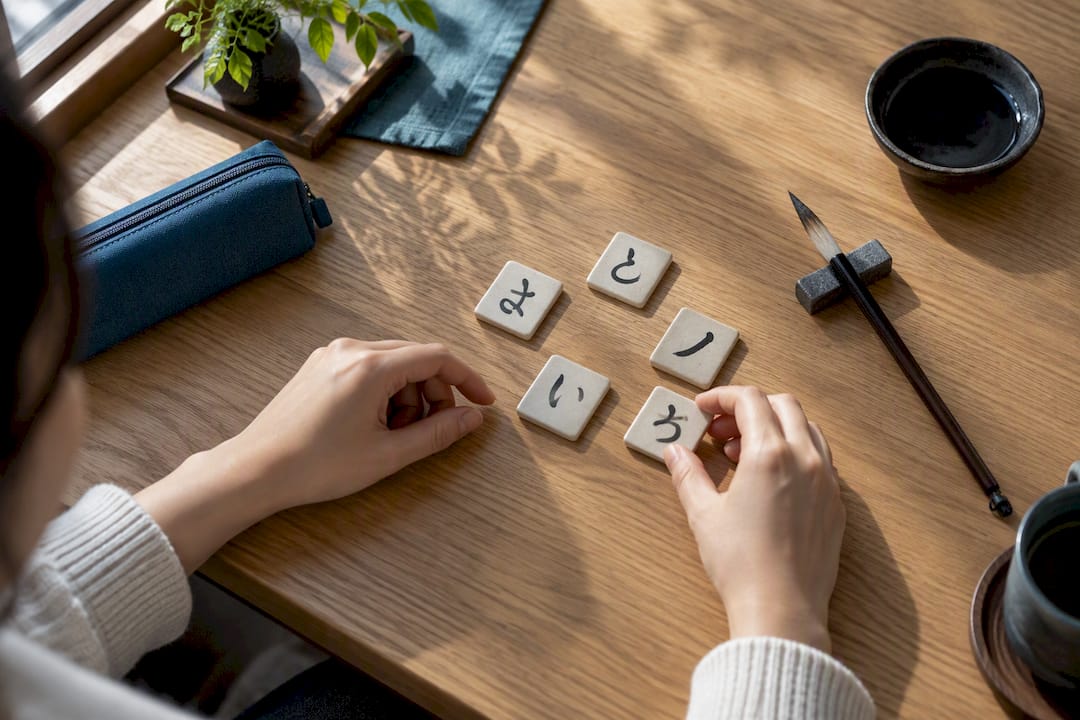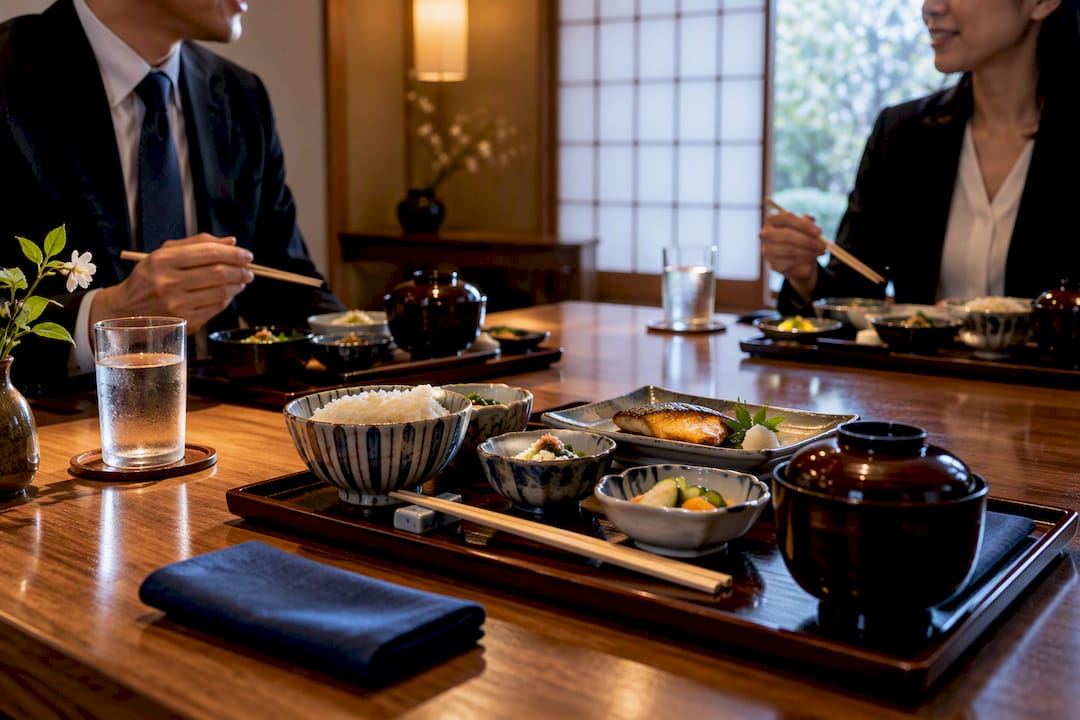
All around the world, the Japanese language stands as the 9th most spoken language and is easily one of the most popular, globally. If you are trying to learn Japanese in Singapore, your motivation is maybe to expand your employment opportunities to international waters or to earn that coveted admission to one of their prestigious universities. Maybe you just have a lot of time on your hands and you want to learn more about their culture. Whatever your reason may be, knowing the different factors that make the language spoken in Japan unique is a good place to start.
In this write-up, we have gathered the different factors and particularities that influence the unique qualities of the Japanese language – ones that can help you learn the language better so that you can be a proficient speaker of Japanese in no time.
The role of grammatical rules
If you are fluent in English, you are probably used to how the language is very particular about grammar in both written and spoken form. As a matter of fact, English is one of the hardest languages to learn because it has a lot of derivatives of certain words, depending on the tense, quantity, and so much more. Aspiring Japanese speakers would be glad to know that the language isn’t too keen on observing a rigid composition rule since it is mostly concerned with the emotional way that the message is delivered – particles can very much be excluded from conversational messages. However, it is important that they are included in the text or written form.
The different forms of languages
There are three forms of language in Japanese, compared to more or less two English forms; one is informal, another is formal, while the last one is Keigo. Informal language is mostly used conversationally and is more casual or relaxed. In the informal language type, you would usually find some slangs or colloquial terms in a sentence. From the word itself, formal language is used formally such as application letters, corporate speeches, and so much more. In formal language, specificity is very important that’s why the really isn’t any room for colloquial or slangs since it can lead to misinterpretations.
But the third language type, Keigo, is one that is observed only in Japan. Keigo is a language type that promotes varying degrees of respect. Yes, formal language shows respect to a certain degree, but it can be used to deliver negative messages or insults. Keigo, on the other hand, avoids the use of negative words in order to avoid a possible conflict.
What makes the Japanese language beautiful
With most languages spoken all around the world, there are specific pronouns assigned to people of a certain gender group. While there is absolutely nothing wrong with it, some people would argue that it establishes a certain degree of divisiveness, which is why people in Western countries are very particular about how they are addressed.
Yes, pronouns still exist in the Japanese language. However, it is used rarely because Japanese people have a collective nature wherein they care more about the group than for the individual. They are not big fans of using pronouns since it gives off an individualistic idea.
Apart from the fact that the Japanese people don’t put much significance on the pronouns, their use of ideograms to convey a message makes their language beautiful. For example in Japanese, the word “loving” is inscribed with the ideogram of a mother and her child, symbolizing the love that is shared between them.
Conclusion
There are a lot of unique qualities that make the Japanese language unique. If you are taking various Japanese courses in Singapore, it’s best if you complement it with the knowledge and understanding of the different factors that make Japanese a beautiful language.