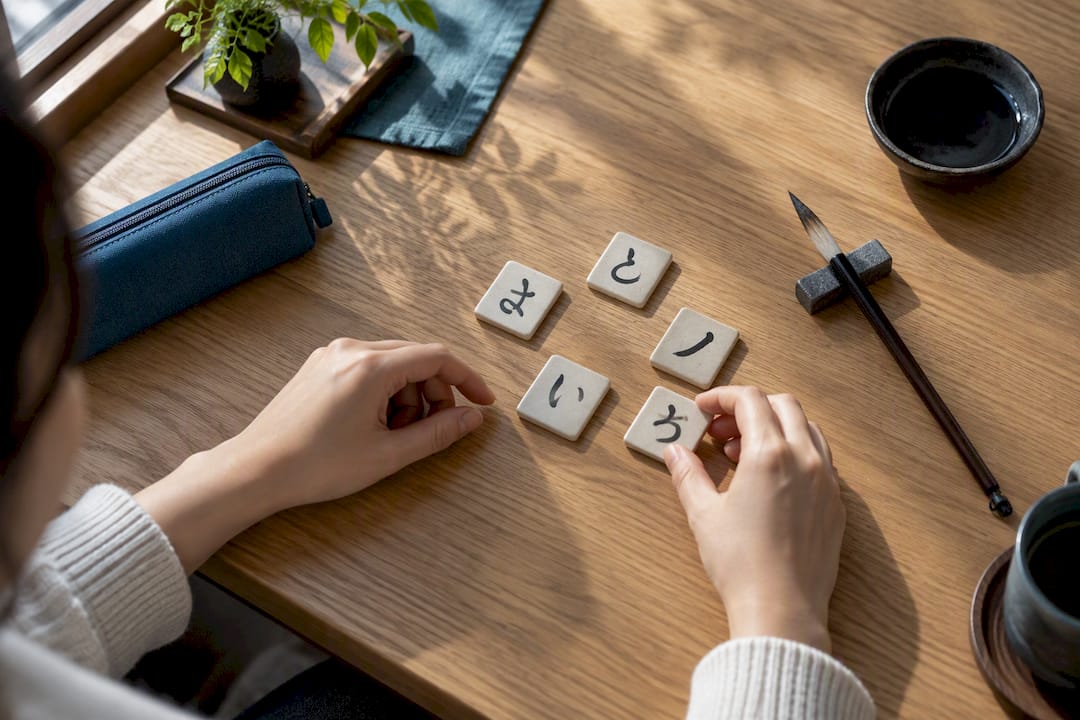
There are quite a number of myths and misconceptions about learning the Japanese language that is likely to demoralise a beginner student. The majority of them are unfounded, misleading, and they should not hinder you from enroling in Japanese classes in Singapore. This article explores some of the common myths and misconceptions about studying Japanese.
Myth #1. The Japanese language is the toughest to learn
The claim that the Japanese language is difficult to learn is subjective. And there is some danger in accepting personal experiences as universal truths. Just because the language was difficult for someone doesn’t mean that it will be difficult for you.
Like everything else that requires learning, you may have some challenges when you start taking Japanese courses in Singapore, but it soon gets easier once you master the basics and grasp fundamental concepts.
Myth #2. Japanese can be learned without knowledge of hiragana and katakana
Hiragana and katakana are the absolute basics when learning Nihongo. When you sign up at a credible learning institution, the tutor will teach you about hiragana and katakana, the Japanese alphabet. If you skip learning these two, the learning process is sure to be more arduous, and when this happens, you are likely to claim that the language is difficult to learn.
Just like with any other language, learning its alphabet is a must, and by skipping it, you’re not only hindering your progress but also prolonging your studies instead of shortening it!
Myth #3. Learning the Japanese language is costly
Most people dismiss learning a second language to be a privilege reserved only for the rich. However, this is not the case. Learning the Japanese language in Singapore is quite affordable, and there are also Japanese lessons that won’t break the bank. When you are looking to learn a language, it is necessary to do adequate research and choose a credible institution for your learning.
Myth #4. Learning Japanese is unnecessary
As technology advances, we also gain access to new features that make our lives easier, such as real-time language translation. This type of sophisticated software can now be found in everyday consumer devices, and thus some people tend to think that there is no longer any merit in learning a new language. Despite that, becoming fluent in a foreign tongue, such as Japanese, nets you a ton of benefits that’s not limited to consuming foreign media.