Japan is a world power due to its strong economy and innovations in fields such as technology, nuclear energy and the motor industry. People travel to Japan for business, to pursue studies, or for leisure. Thus learning about some of the cultural aspects of the Japanese people makes it easy to mingle and work with them.
Language forms a major part of the Japanese culture, just like in any other community. It defines people and creates a sense of belonging. The Japanese language is believed to be the ninth most popular language with approximately 125 million speakers.
If you are interested in studying the Japanese language, either to advance your business interests or for fun, it will require you to be quite dedicated. The language is uniquely different from a lot of other major languages.
Once you start your journey to achieving fluency in the language, you will realise it is quite complicated. It does not follow simple language rules like those governing the English language. Before you enrol in your japanese course singapore, here are interesting facts that you may encounter in your lessons.
No gender in the Japanese language
Do you get embarrassed when you keep mixing pronouns? If you don’t differentiate between he and she, or use him and her interchangeably in your English conversations, then you will be safe with the Japanese language. There are no pronouns in Japanese or gender for that matter. For a fluent or native English or German speaker, this may be quite confusing. You may not understand whether the person being referred to is male or female. However, as you attend your Japanese language class in Singapore, you will gradually understand the difference in general usage, and begin to speak as the natives do.
It has no plurality
The Japanese language does not have a concept of plurality. You may be wondering how the Japanese converse and make sense in their conversions. Unlike the English language where you have one bag and two bags, or a pen and pens, there is no such thing in the Japanese language. However, there may be modifiers added to certain contexts as the language evolves over time, but generally and at a basic level, the plural specifier is nonexistent and non-relevant.
Intonation is important
The manner in which you speak will make the difference. The way you lay emphasis on a word will determine its meaning. When pronouncing a word such as bridge, your pitch accent will depend on what you mean. If you don’t use the correct intonation, your friends will have a difficult time communicating with you. For instance, if you say ‘ええ’with a descending intonation, it means yes. However, if you use a questioning intonation on it, it will entirely alter the meaning to ‘Must I?’. If you find it difficult to understand the intonation, a Japanese lesson in Singapore, will do you good. Widen your networking skills and make friends with the Japanese natives. Listening to the way they speak will make it easy for you.
Has four writing systems
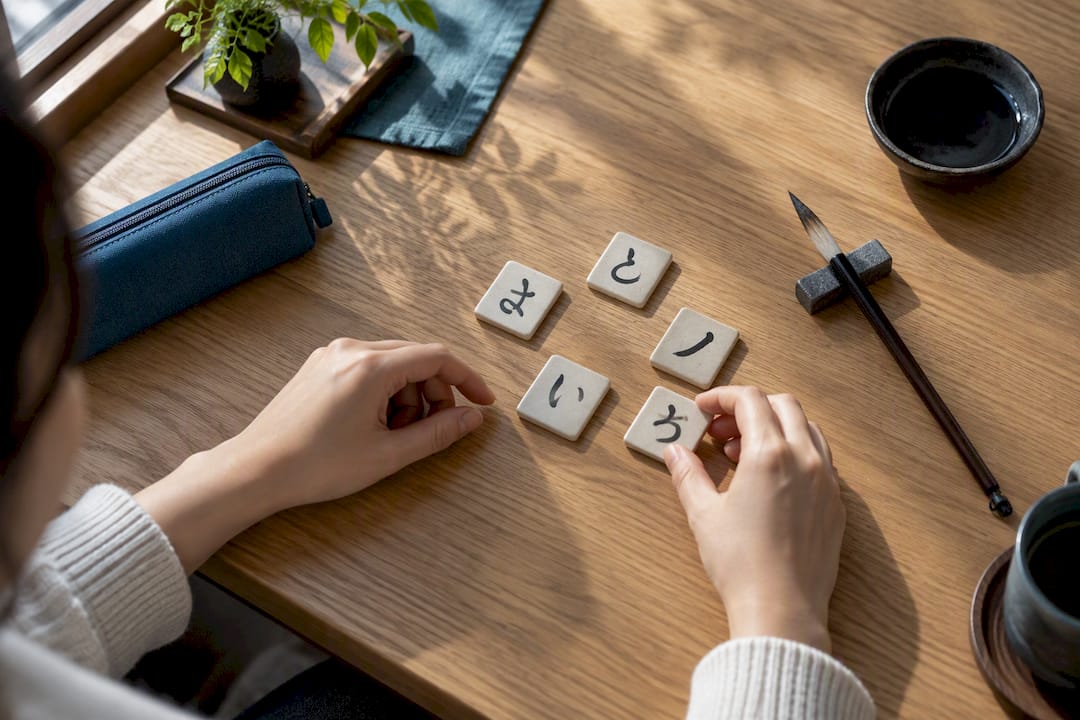
English has only one writing system. With English, all you need is to understand verb-object agreement and you good to go. It is not the case with the Japanese language. You will encounter four types of systems; Romanji, Kanji, Hiragana and Katakana. None of these is superior to the other and you will require understanding the four to gain fluency. Hiragana is the very first that your tutor will introduce depending on your eloquence. It has simple words such as conjunctions, particles and syllables. When writing foreign words you will use Katakana, and as you go along you’ll learn to incorporate the other systems into your fluency.
Now you are set to begin your journey in becoming bilingual. You will not be caught napping when you realize there is nothing like one bag and two bags, or when you wouldn’t need to bother yourself with pronouns. However, remember to familiarise yourself with etiquette when communicating with your friends or seniors. You will learn that you cannot greet your lecturer the same way you will your friend. So as you start your Japanese language lessons, you will have an idea of what awaits you.